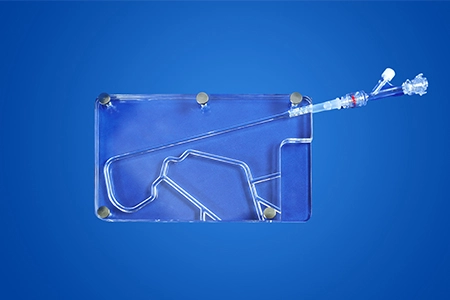
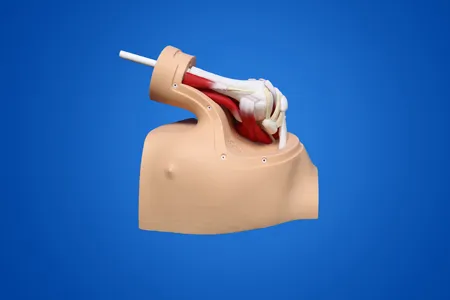
Providing effective interventional cardiology or PCI training is more than teaching anatomy—it’s about preparing clinicians for the unpredictable, high-stakes environment of the cath lab. Coronary artery simulation models transform traditional learning into hands-on, immersive practice. By combining precise 3D coronary anatomy, transparent vascular designs, and modular lesion scenarios, these models allow hospitals, medical schools, and device developers to train staff safely, refine decision-making, and build confidence before live procedures.
These models do more than illustrate anatomy—they create a dynamic learning environment. Trainees can encounter routine interventions, complex lesions while instructors monitor technique, guide learning, and provide immediate feedback. Institutions benefit from measurable, reproducible training sessions that improve both procedural proficiency and staff readiness.
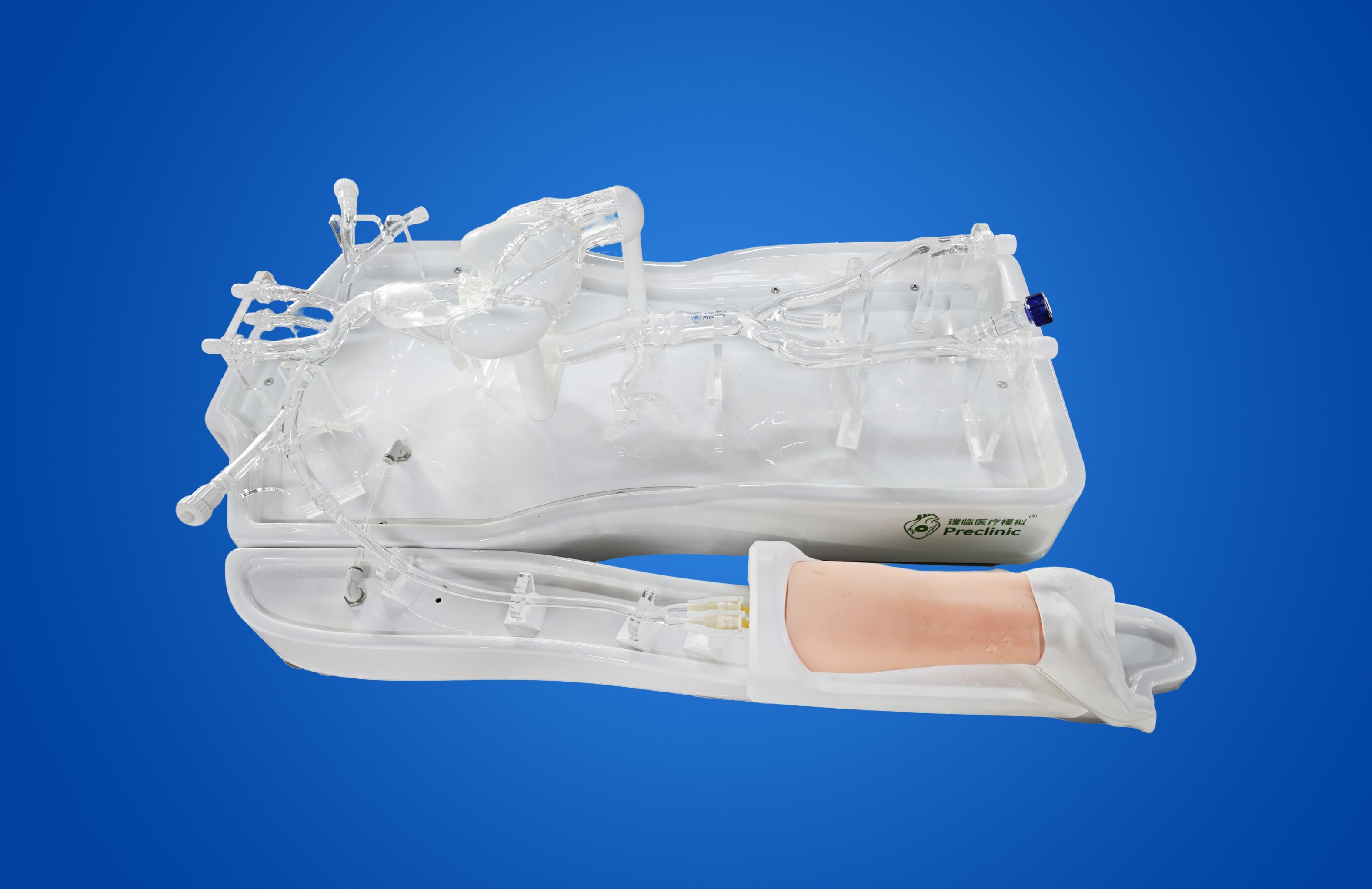
Traditional training materials—PDFs, diagrams, and even CAD files—cannot replicate the tactile and cognitive demands of real procedures. Trainees often feel unprepared when navigating tortuous vessels or responding to unexpected lesions, resulting in longer learning curves and potential procedural errors.
Our 3D coronary artery simulation models replicate these real-world challenges. Trainees manipulate guidewires and catheters as they would in a patient, feeling resistance, vessel curvature, and lesion dynamics. Repetition builds muscle memory, situational awareness, and procedural intuition, ensuring clinicians can respond confidently in live procedures.
A coronary angiography simulator provides a realistic, hands-on environment where clinicians and trainees can experience procedural workflows exactly as they occur in the cath lab. Beyond static diagrams, these simulators replicate vascular curvature, lesion dynamics, and guidewire resistance, allowing repeated practice in a safe setting. Trainees develop decision-making skills, instrument handling precision, and procedural confidence. Institutions can use these simulators not only for training but also to evaluate and validate new devices, making them a versatile tool for education and R&D programs.
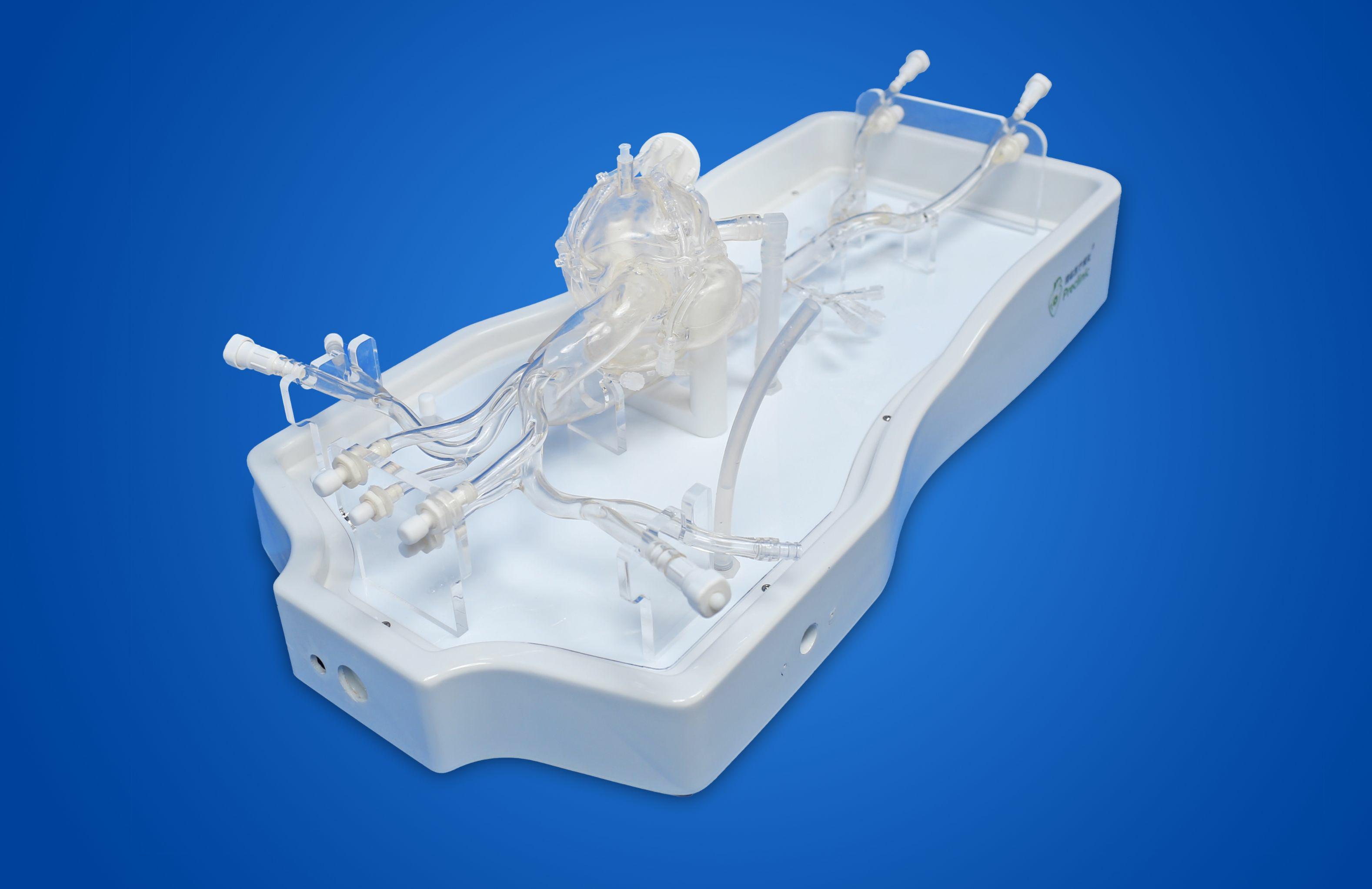
3D coronary artery models convert theoretical knowledge into actionable procedural skills, enabling trainees to navigate complex vessels and simulate full PCI interventions. By practicing stent placement, balloon angioplasty, and guidewire manipulation on these models, clinicians gain real-world familiarity with procedural variations and complications. Repetition in a controlled, risk-free environment allows trainees to internalize technical cues, refine judgment, and build confidence before treating patients. These models are invaluable for structured training programs in hospitals, teaching institutions, and device development labs.
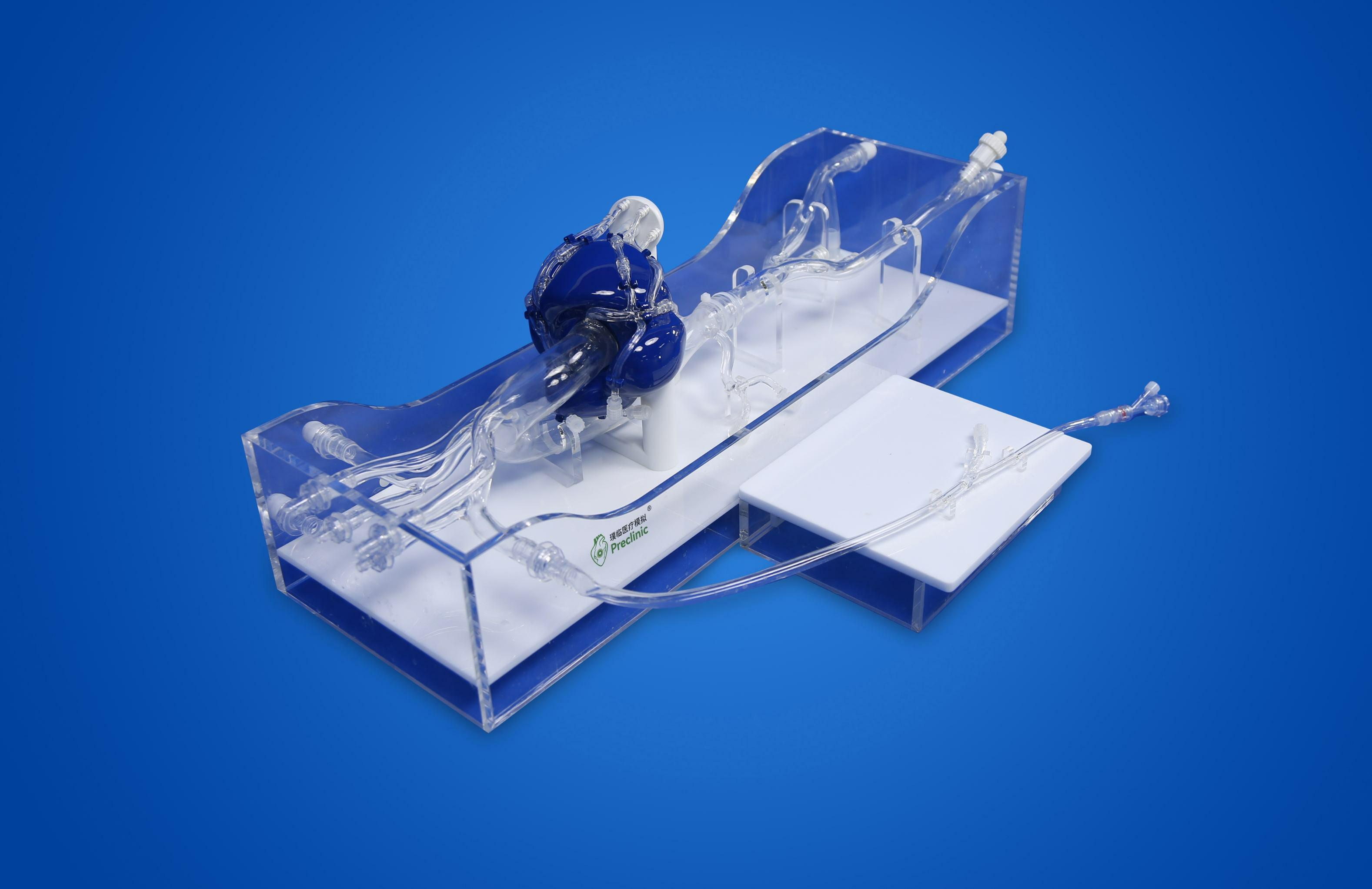
Modern vascular simulation models are designed with realism and adaptability in mind. Transparent vessels allow instructors and trainees to observe guidewire and catheter movement at every stage, while swappable lesion modules simulate diverse stenosis and occlusion scenarios. Modular vessel architectures accommodate both standard and complex anatomies, enabling training programs to scale across different skill levels. These features ensure institutions achieve consistent learning outcomes, maximize ROI through reusable hardware, and create rich, progressive curricula that prepare clinicians for high-stakes procedures.
Vascular simulation models are widely applied in clinical education and institutional training programs. They support coronary angiography practice, stent deployment, and balloon angioplasty exercises, allowing repeated rehearsal under realistic conditions. Trainees can experience complex lesion patterns safely, while instructors guide technique and decision-making. These models are also used for device testing and validation, offering a reliable platform to trial new instruments before clinical deployment. Their versatility makes them suitable for hospitals, medical schools, and device R&D centers alike.
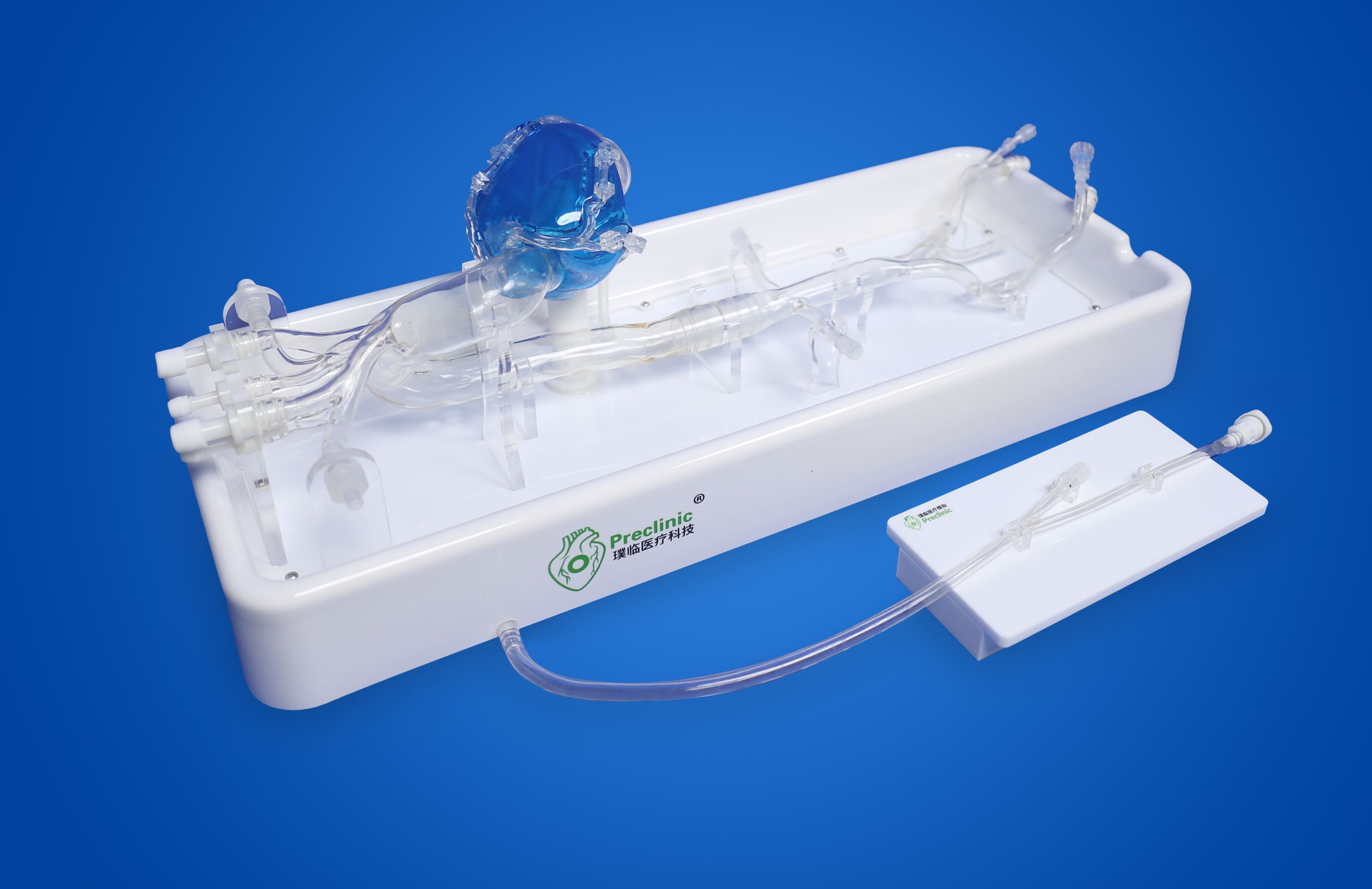
Choosing the right coronary artery simulation model requires careful consideration of training needs, clinical realism, and long-term value. Key factors include instrument compatibility, modular lesions for diverse scenarios, DSA or fluoroscopy integration, and durable materials for repeated use. Models recognized as the best coronary artery simulation model or coronary artery model for teaching offer scalable solutions for hospitals, teaching institutions, and device development labs. Flexible options such as customized solutions, bulk orders, and institutional wholesale ensure programs can be tailored to meet educational and operational goals while maximizing ROI.
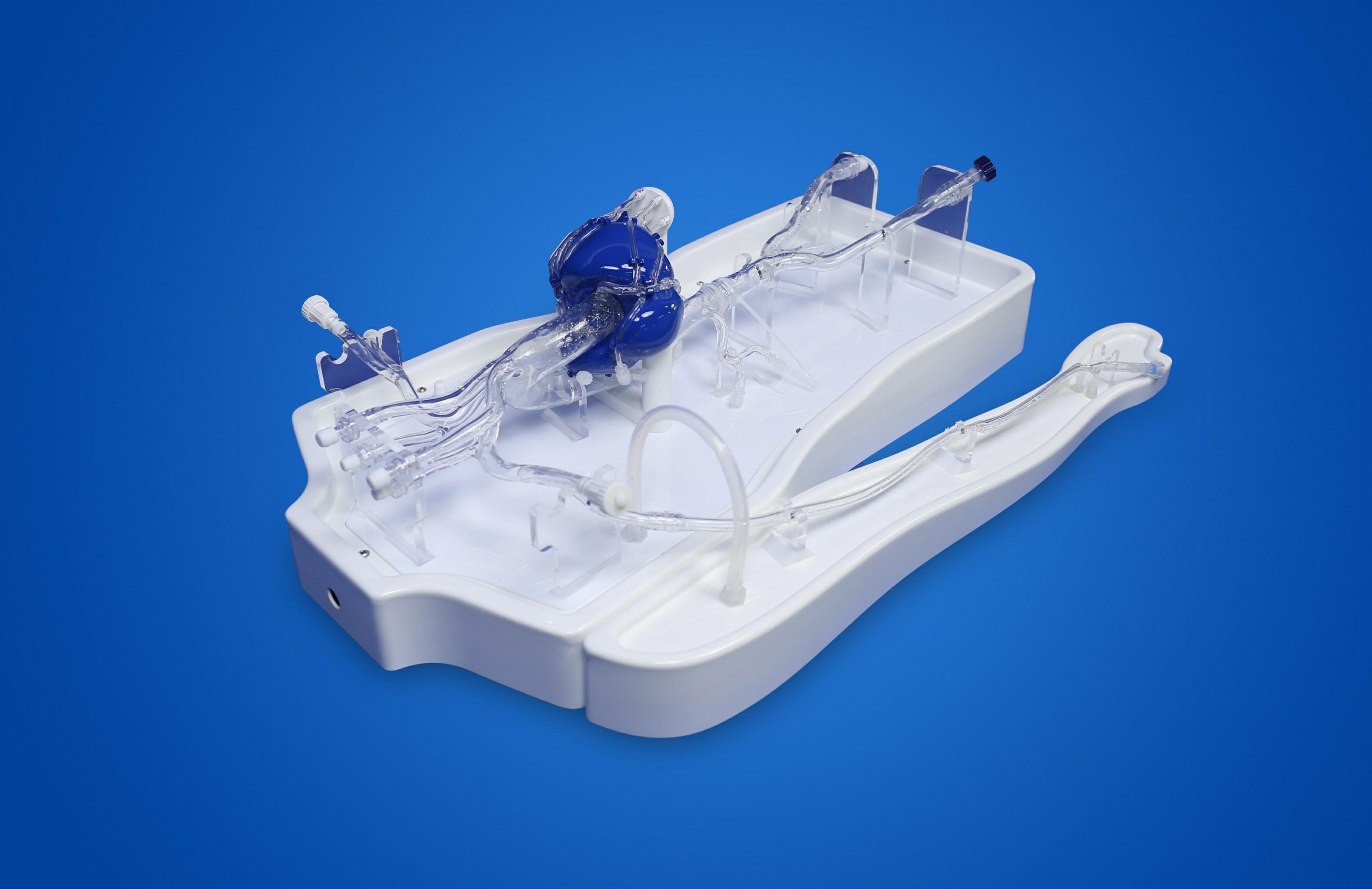
Preclinic Medical Simulation’s coronary artery simulation models transform anatomical knowledge into practical, hands-on procedural experience. All teaching models of this brand are made using 1:1 real human body data.By combining realistic vascular anatomy with tactile guidewire and catheter feedback, along with modular lesion scenarios, these models allow clinicians to practice safely, gain confidence, and refine decision-making before performing real procedures.
Widely used by hospitals, teaching institutions, and medical device teams, Preclinic Medical Simulation models also support device evaluation, research, and structured educational programs, providing measurable impact and long-term value. Repeated hands-on practice in realistic scenarios helps teams accelerate skill development while reducing procedural risk, making training both effective and efficient.
With flexible options for customization, bulk orders, and institutional implementation, Preclinic Medical Simulation solutions can be tailored to meet specific educational or operational needs. Explore how these models integrate seamlessly into your training environment to enhance clinician competence, improve workflow, and support better patient outcomes.