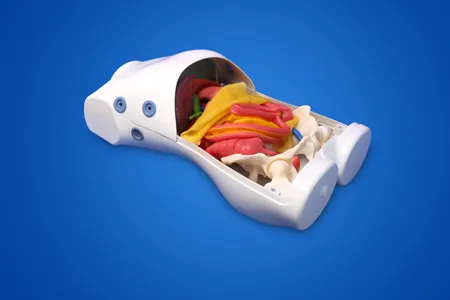
In modern medical simulation, the bronchoscopy simulator has shifted far beyond its original purpose as a basic airway teaching tool. It is now widely recognized as a critical training infrastructure for respiratory medicine, thoracic anesthesia, and interventional pulmonology.
This shift is not driven by technology alone, but by real-world clinical pressure. Airway-related procedures are highly sensitive, often time-critical, and directly linked to patient survival outcomes. At the same time, hospitals are facing increasing demand for faster training cycles, higher procedural accuracy, and standardized clinical performance across practitioners.
In this context, bronchoscopy simulation is no longer optional—it has become a necessary step before real clinical exposure.
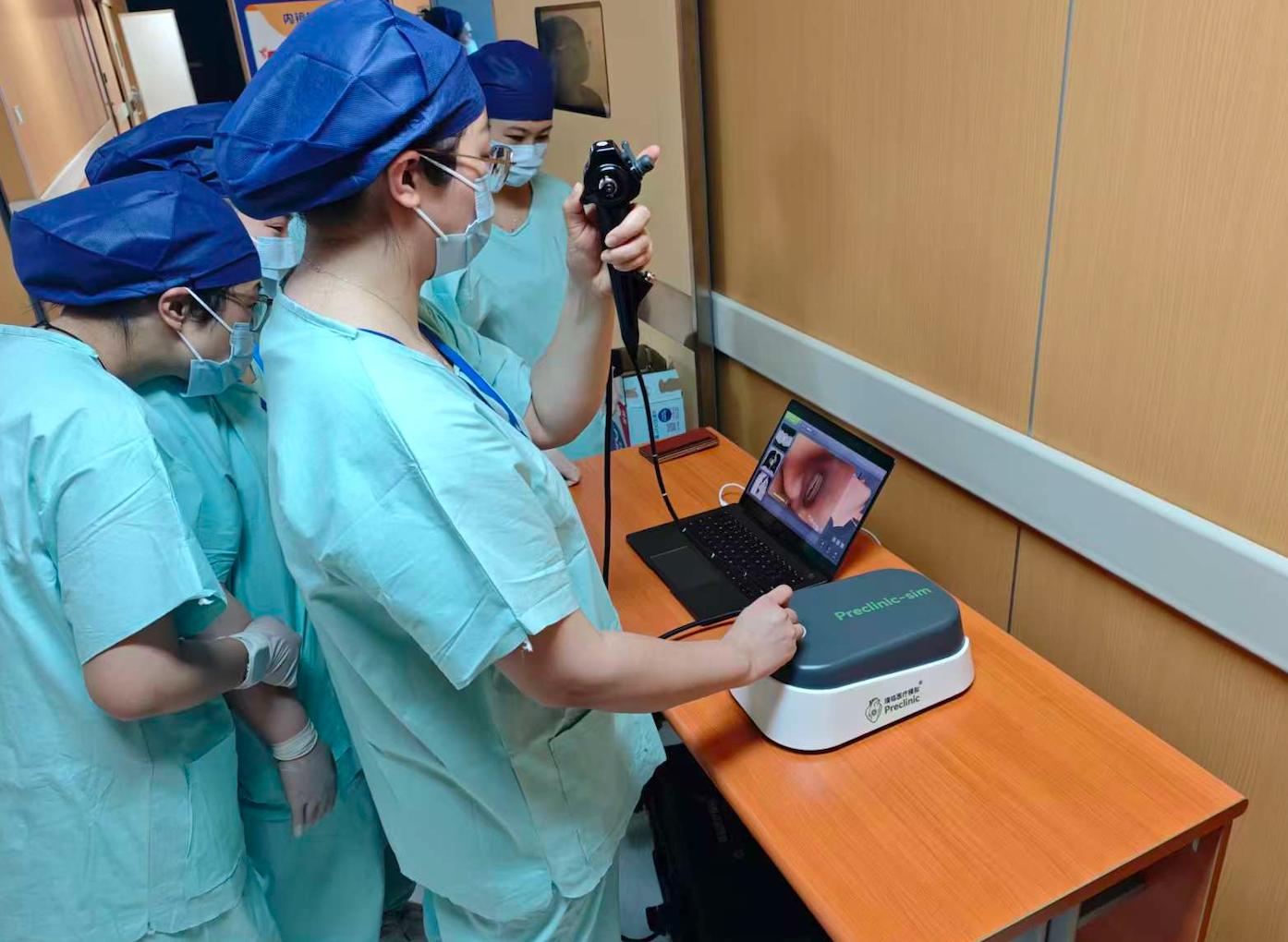
A modern bronchial tree model is no longer just a visual representation of airway branching. Its true value lies in its ability to replicate procedural pathways and resistance during bronchoscopy navigation.
In real clinical scenarios, airway intervention is not about memorizing anatomy. It is about navigating a complex, dynamic internal structure where slight changes in angle, pressure, or positioning can significantly impact outcomes.
Therefore, an effective simulation system must replicate not only anatomical accuracy, but also procedural realism. This includes realistic airway curvature, branching resistance, and tactile feedback during scope insertion and navigation.
From a product design perspective, this is where simple anatomical models and clinical-grade simulation systems diverge.
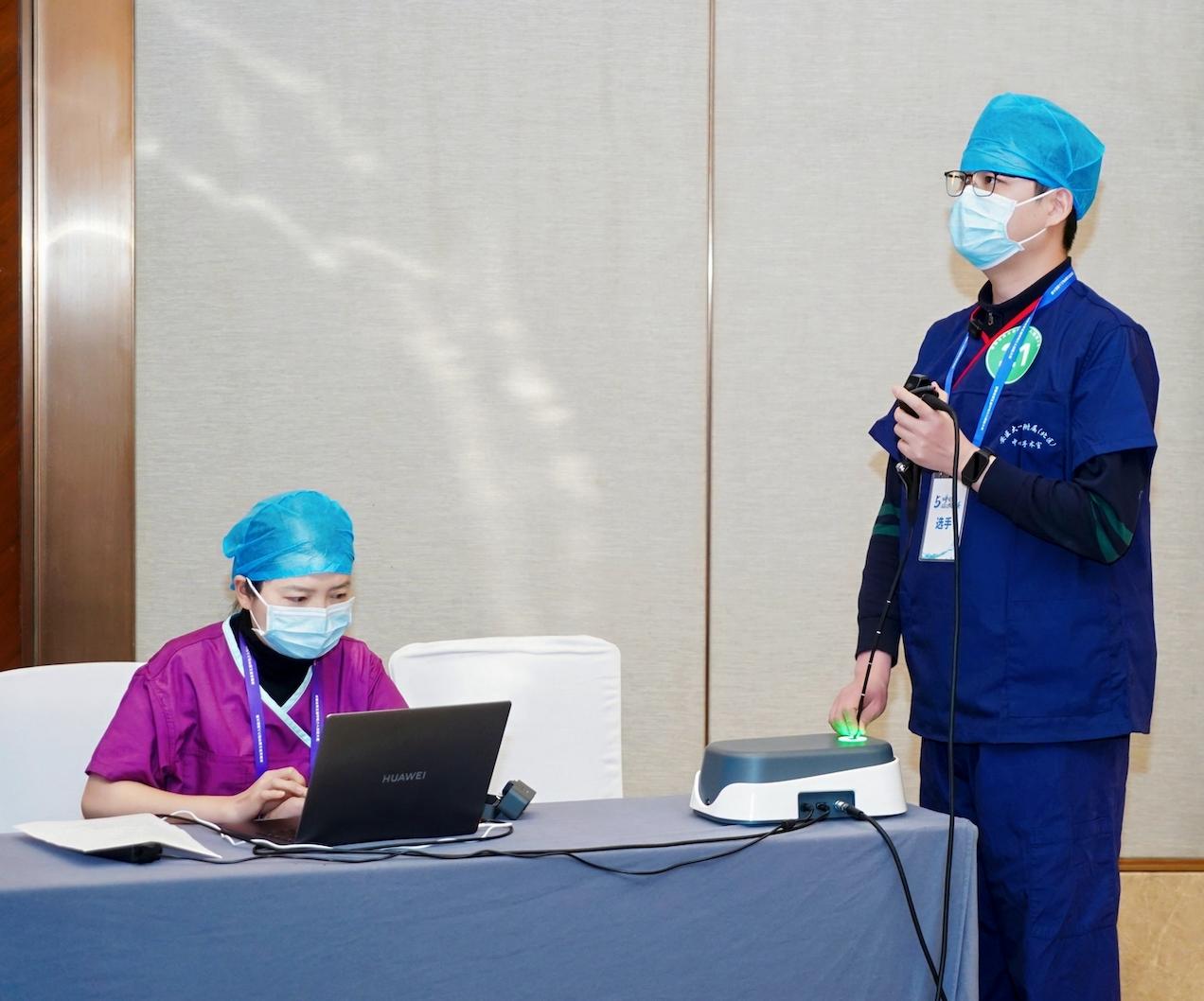
A clinically valuable bronchoscopy simulator is defined by how accurately it reproduces real procedural conditions rather than how visually detailed it appears.
Bronchoscopy is a highly skill-dependent procedure. The challenge is not recognizing airway structures, but developing the ability to navigate complex bronchial pathways smoothly and safely under real clinical constraints.
To achieve this, modern simulators must integrate three core capabilities.
The first is realistic airway pathway replication. The bronchial tree must reflect natural anatomical variation, including branching angles, diameter changes, and structural asymmetry.
The second is procedural resistance simulation. The operator should feel realistic friction and resistance during scope advancement, which is critical for developing tactile sensitivity.
The third is procedural scenario adaptability. A clinically relevant simulator should support different training scenarios, including routine inspection, biopsy navigation, and emergency airway management conditions.
Together, these capabilities define whether a system is a basic teaching tool or a clinically effective training platform.
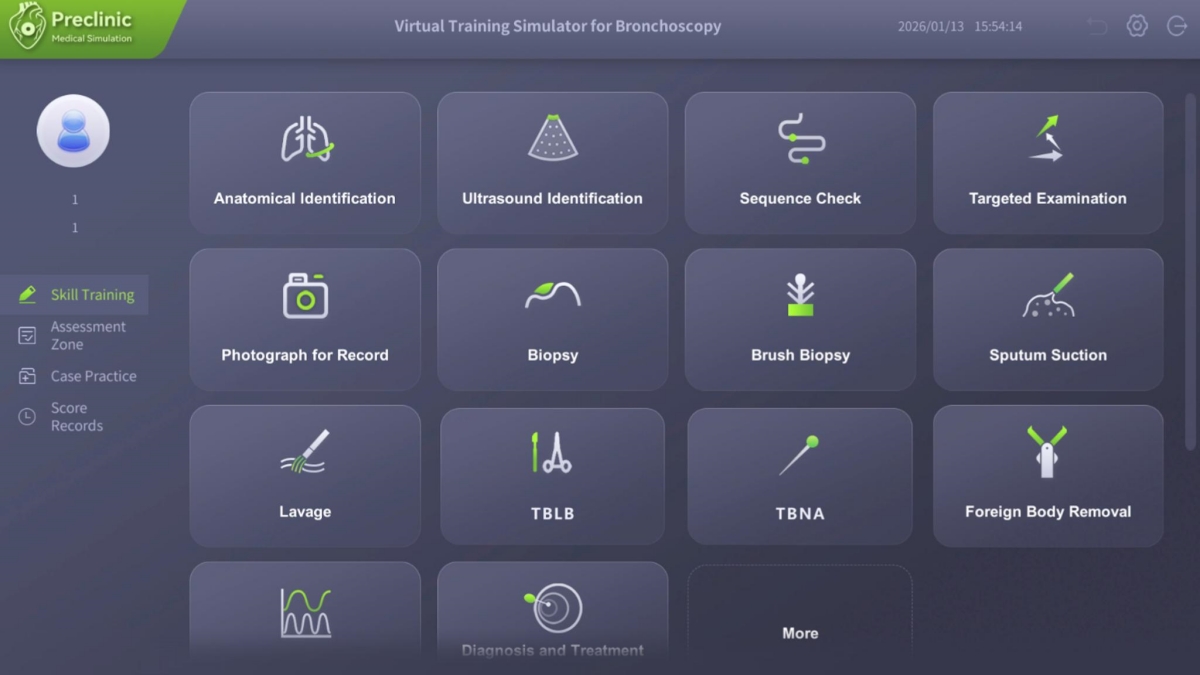
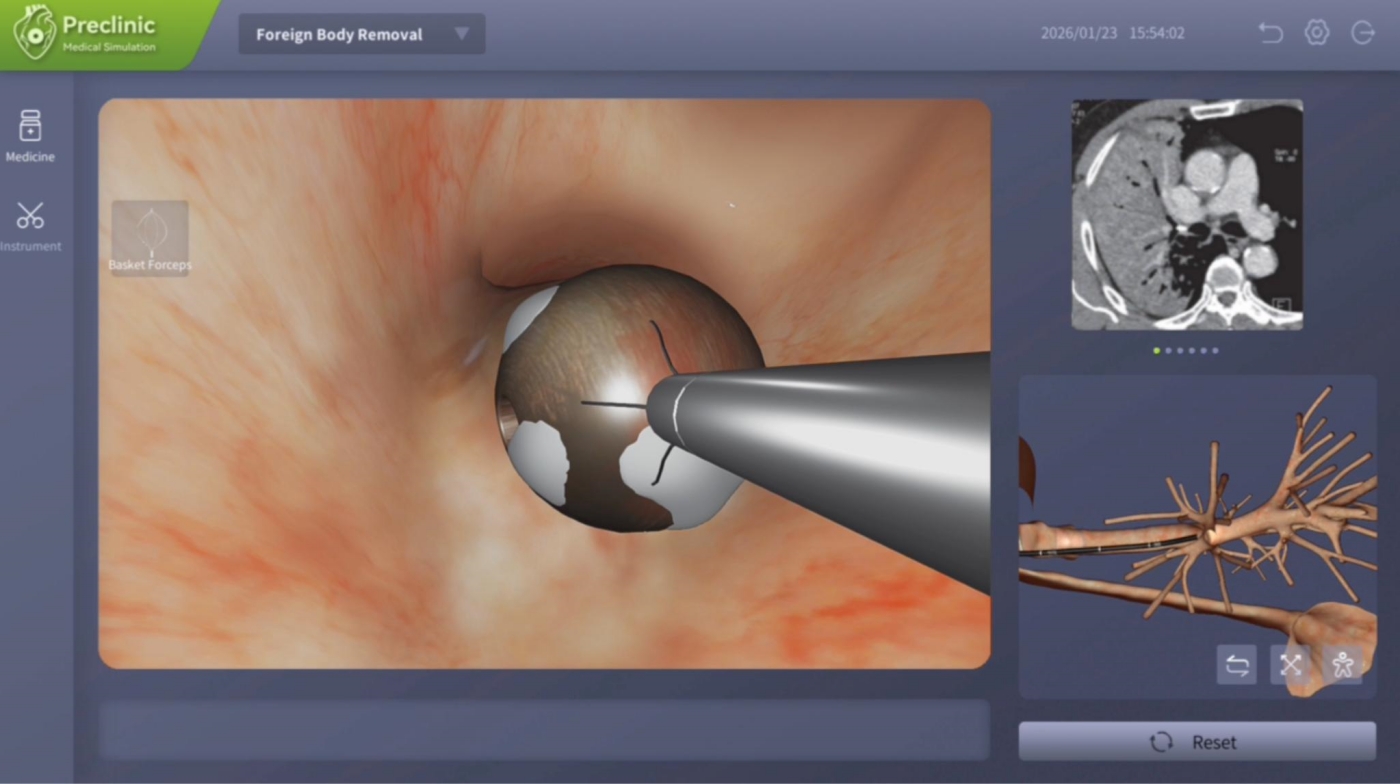
The bronchoscopy training model plays a crucial role in both respiratory medicine and thoracic anesthesia education.
For respiratory physicians, it provides a controlled environment to develop airway inspection and diagnostic skills. For anesthesiologists, it supports airway management training, including difficult intubation scenarios and emergency airway access procedures.
In both cases, simulation reduces dependency on direct patient exposure during early-stage training, significantly improving safety and confidence before real clinical practice.
As training complexity increases, institutions are increasingly relying on simulation-based bronchoscopic education as a standard part of competency development.
The adoption of endoscopy simulation systems and bronchoscopy training platforms in hospitals is driven by several structural challenges in modern healthcare.
First, airway procedures carry high risk, particularly in emergency and critical care situations. This makes traditional “learn-by-doing” approaches increasingly unacceptable in early training stages.
Second, there is growing pressure to reduce procedural variability among clinicians. Standardized simulation environments allow hospitals to ensure consistent training outcomes across different operators.
Third, training efficiency has become a key concern. Medical institutions are expected to produce competent specialists in shorter timeframes without compromising clinical quality.
As a result, bronchoscopy simulators are transitioning from supplementary teaching tools into essential clinical training infrastructure.
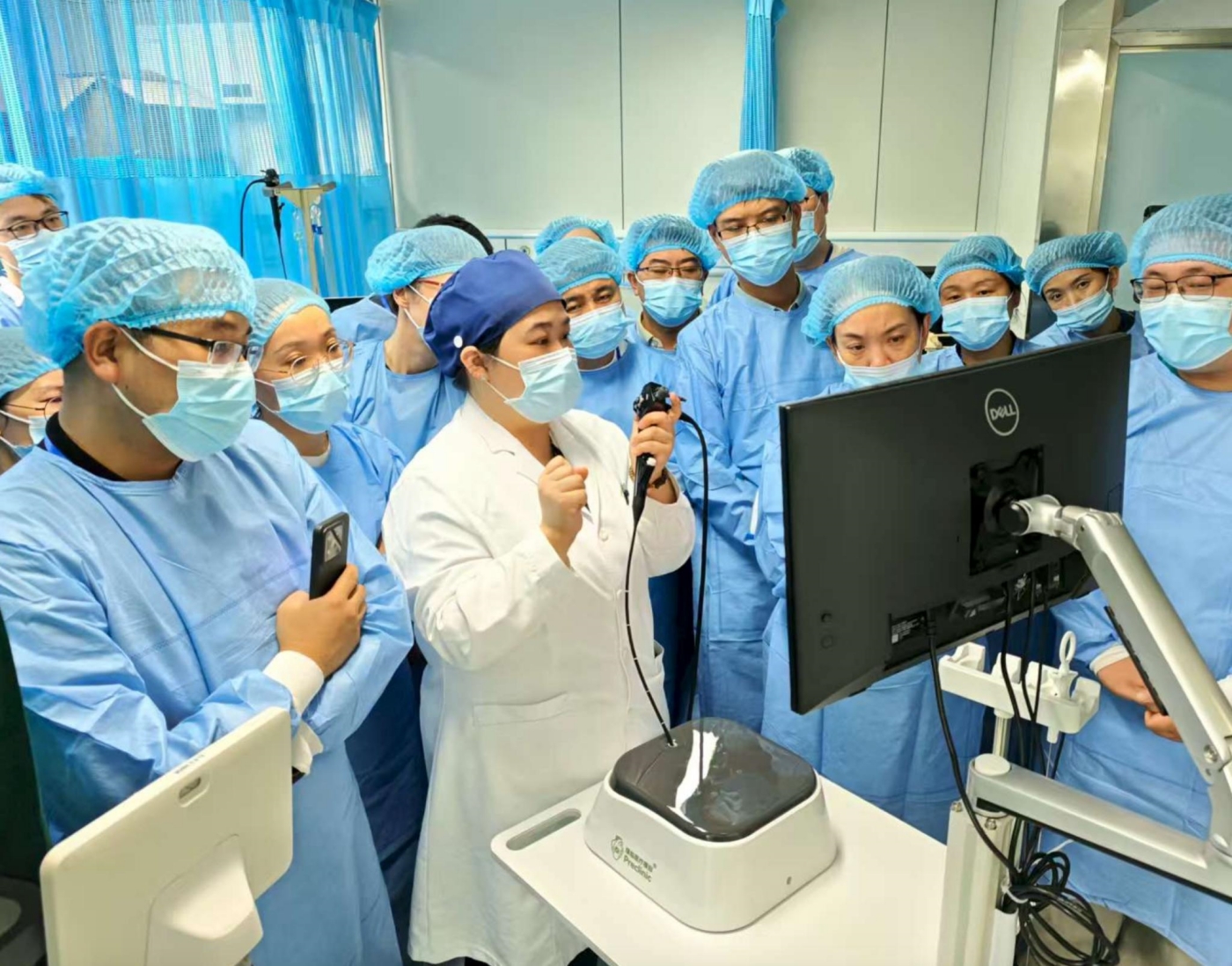
The next generation of bronchoscopy simulators is evolving toward more integrated and intelligent training environments.
One key direction is the incorporation of patient-specific anatomical modeling based on CT imaging data, allowing trainees to practice on realistic airway structures derived from actual clinical cases.
Another direction is AI-assisted performance analysis, where operator movements, navigation efficiency, and procedural decisions are evaluated in real time to provide structured feedback.
In addition, hybrid simulation systems combining physical airway models with virtual overlays are becoming more common, offering both tactile experience and digital visualization simultaneously.
From an industry perspective, bronchoscopy simulation is moving from standalone training devices toward comprehensive clinical skill development platforms.
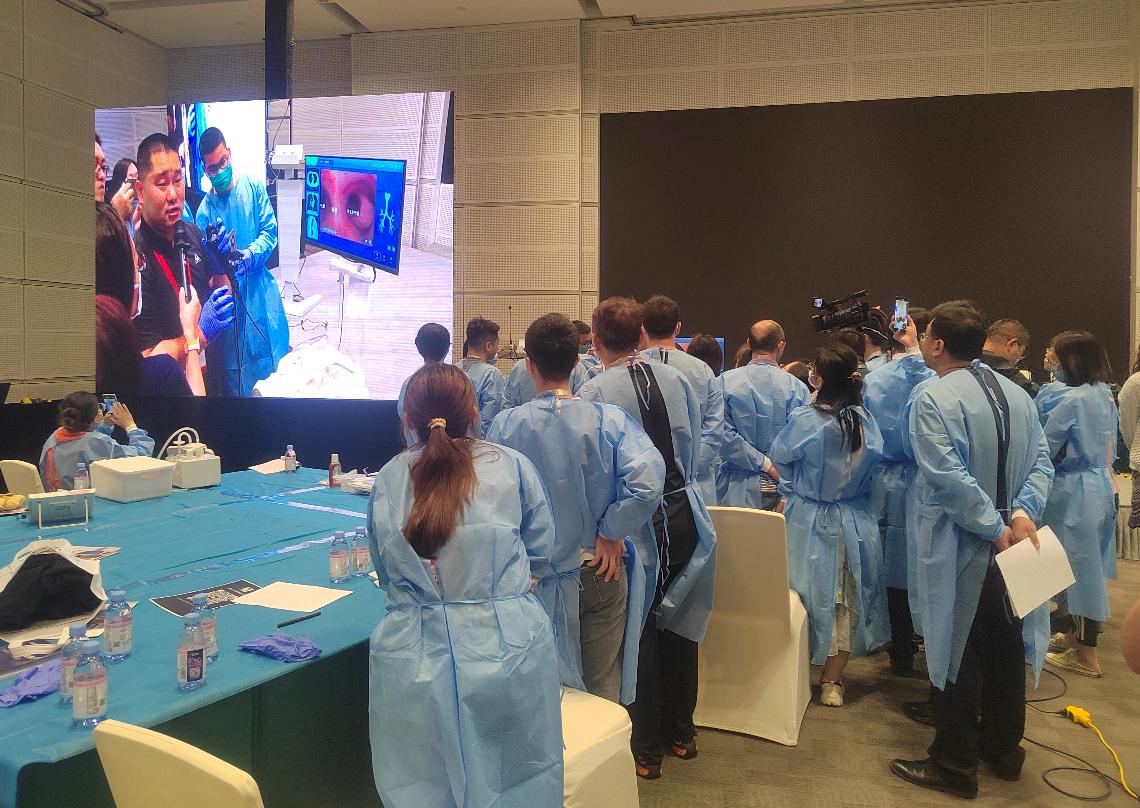
The bronchoscopy simulator is used in medical training to replicate airway navigation procedures for respiratory medicine and anesthesia education. It allows clinicians to practice bronchoscopy techniques in a controlled environment before performing real procedures on patients. Modern systems focus not only on anatomical accuracy but also on procedural realism, including resistance, navigation difficulty, and scenario-based training. These systems are widely used in hospitals, medical universities, and clinical training centers. The main goal is to improve procedural safety, shorten training cycles, and standardize clinical performance.
If you are developing respiratory training programs, anesthesia education systems, or medical simulation labs, we can provide modular bronchoscopy simulation solutions tailored to different clinical training needs.
Our systems include bronchial anatomy models, procedural training platforms, and integrated simulation environments designed to support realistic airway navigation and clinical skill development.
Feel free to contact us for technical documentation, application references, or customized training system proposals. We can help you build a simulation environment that closely aligns with real clinical procedures and institutional training requirements.