Over the past decade, the role of medical simulation systems has fundamentally evolved. A decade ago, most hospitals and medical schools still regarded simulation as a supplementary educational tool, primarily used for demonstrating anatomy or practicing basic procedural skills. That perception no longer holds true.
Today, the real driver of industry growth is not technological improvement itself, but structural pressure within healthcare systems. Clinical case volume is increasing globally, while the supply of qualified physicians is not scaling at the same pace. At the same time, patient safety standards have become significantly stricter, making traditional “learning on real patients” increasingly difficult to sustain.
In this context, simulation is no longer an auxiliary tool. It is becoming an essential layer of medical training infrastructure.
From a product perspective, this represents a major shift: the value of a simulation system is no longer measured by “how realistic it looks,” but by “how consistently it produces clinically competent operators.” This is why more hospitals are integrating simulation systems into formal training pipelines rather than treating them as optional equipment.
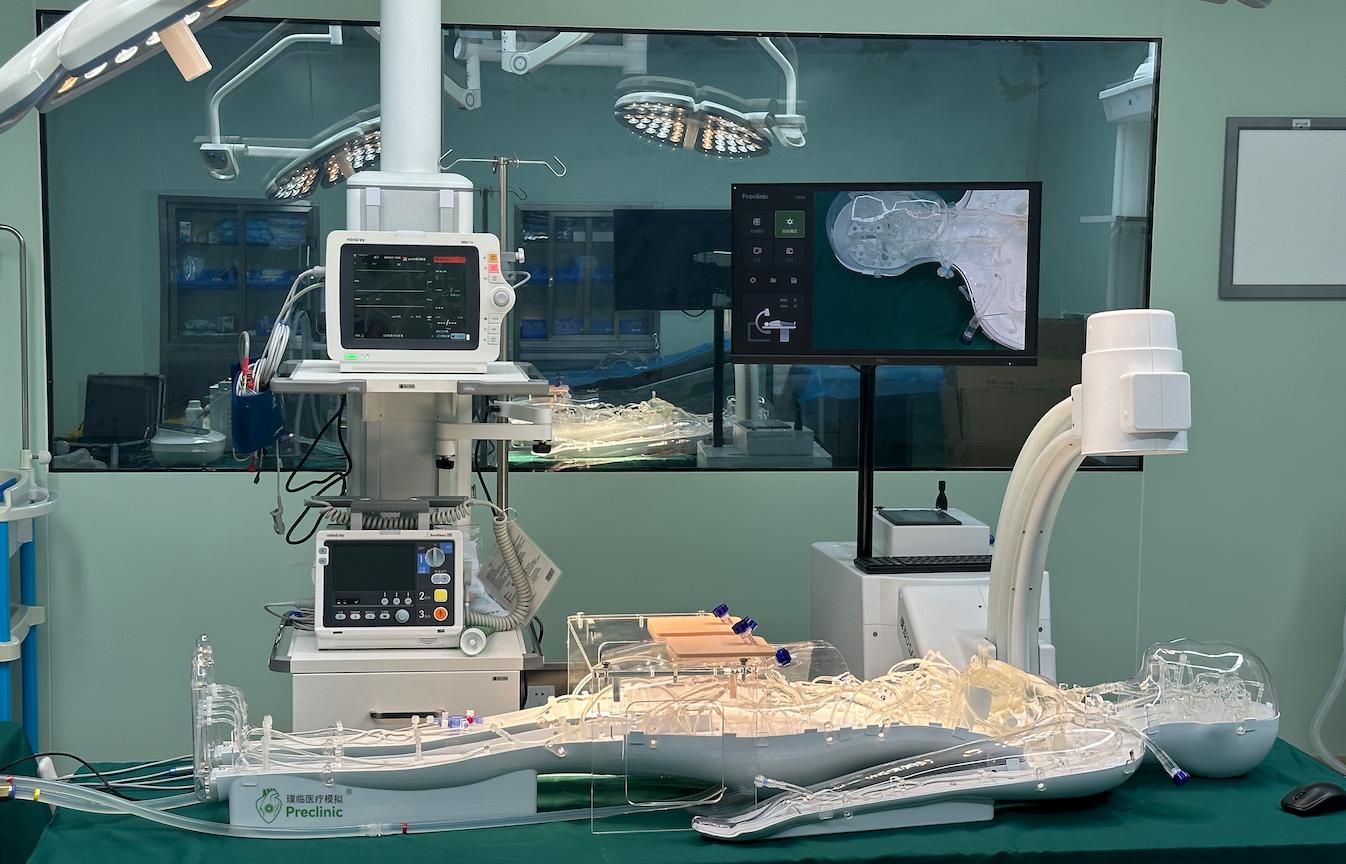
If we examine market growth more closely, the expansion of cardiovascular simulators and interventional training systems is not simply driven by education demand, but by increasing procedural complexity in clinical practice.
In cardiology, neurointervention, respiratory endoscopy, and gastrointestinal procedures, clinicians are no longer dealing with standardized cases. Instead, they face highly variable, patient-specific anatomical conditions and unpredictable pathological structures.
This complexity means that traditional “textbook-based training” is no longer sufficient. Hospitals require systems that simulate real procedural pressure, including resistance feedback, anatomical variation, and decision-making uncertainty.
This is why systems such as coronary simulation models are increasingly evolving from educational tools into core clinical training infrastructure.
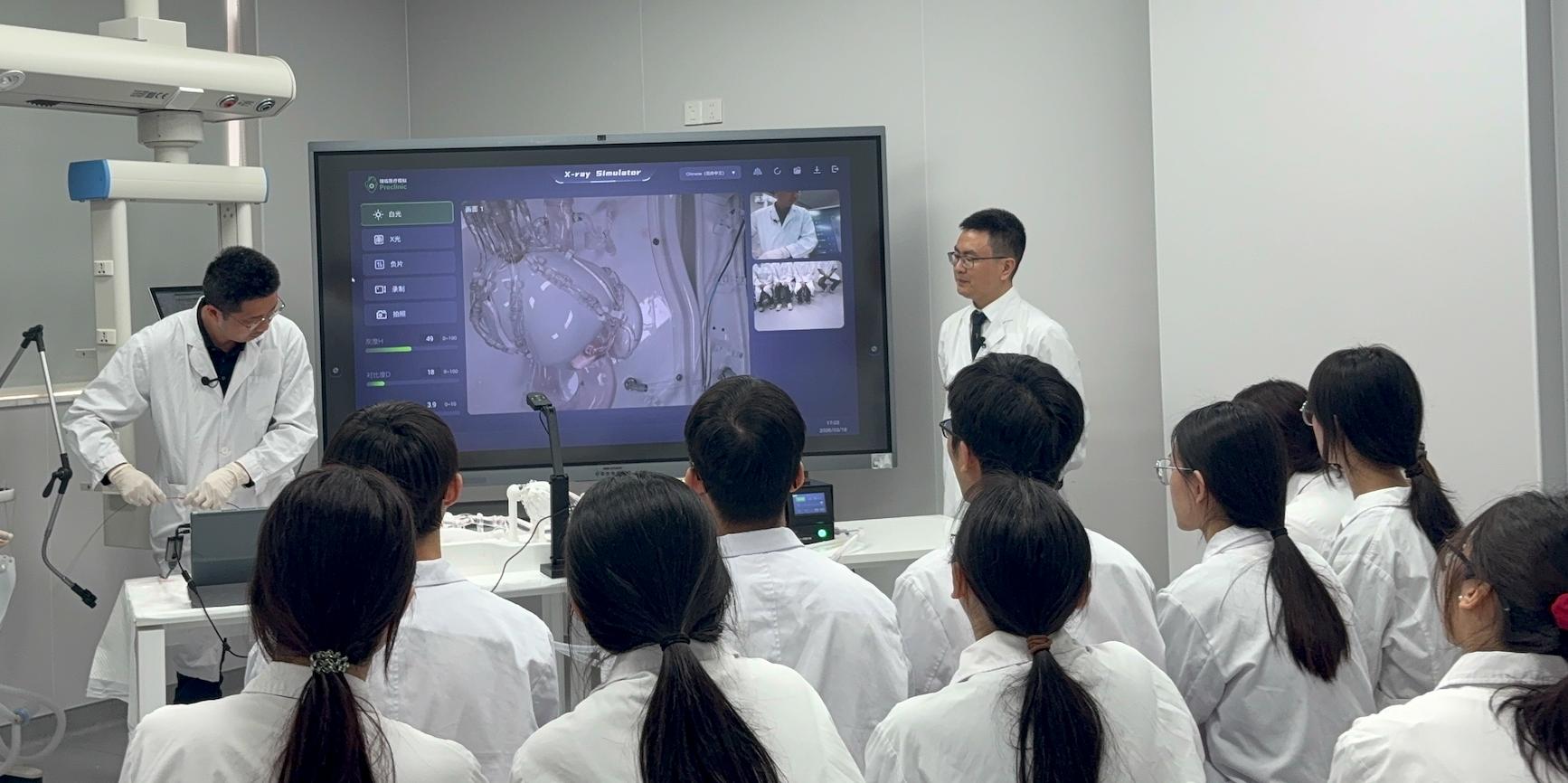
Traditional medical education relied heavily on apprenticeship-based training, where physicians learn by observing and gradually assisting real clinical cases. However, this model is now reaching its structural limits.
Real clinical cases cannot be standardized, cannot be controlled in difficulty, and cannot be repeated for training purposes. At the same time, patient safety requirements have become non-negotiable, making early-stage learning on real patients increasingly impractical.
As a result, modern healthcare systems are shifting toward medical simulation systems as the primary environment for foundational skill development.
Instead of learning directly in the operating room, clinicians now build procedural competence in controlled simulation environments before entering real clinical settings.
This represents a fundamental shift from experience-driven learning to structured, measurable training systems.
A less visible but highly important trend is the growing adoption of simulation systems by medical device manufacturers.
Companies developing catheters, stents, guidewires, and endoscopic systems are increasingly using simulation platforms for product testing and validation. The reason is straightforward: real human testing is expensive, slow, and ethically constrained, while simulation environments provide controlled, repeatable, and measurable testing conditions.
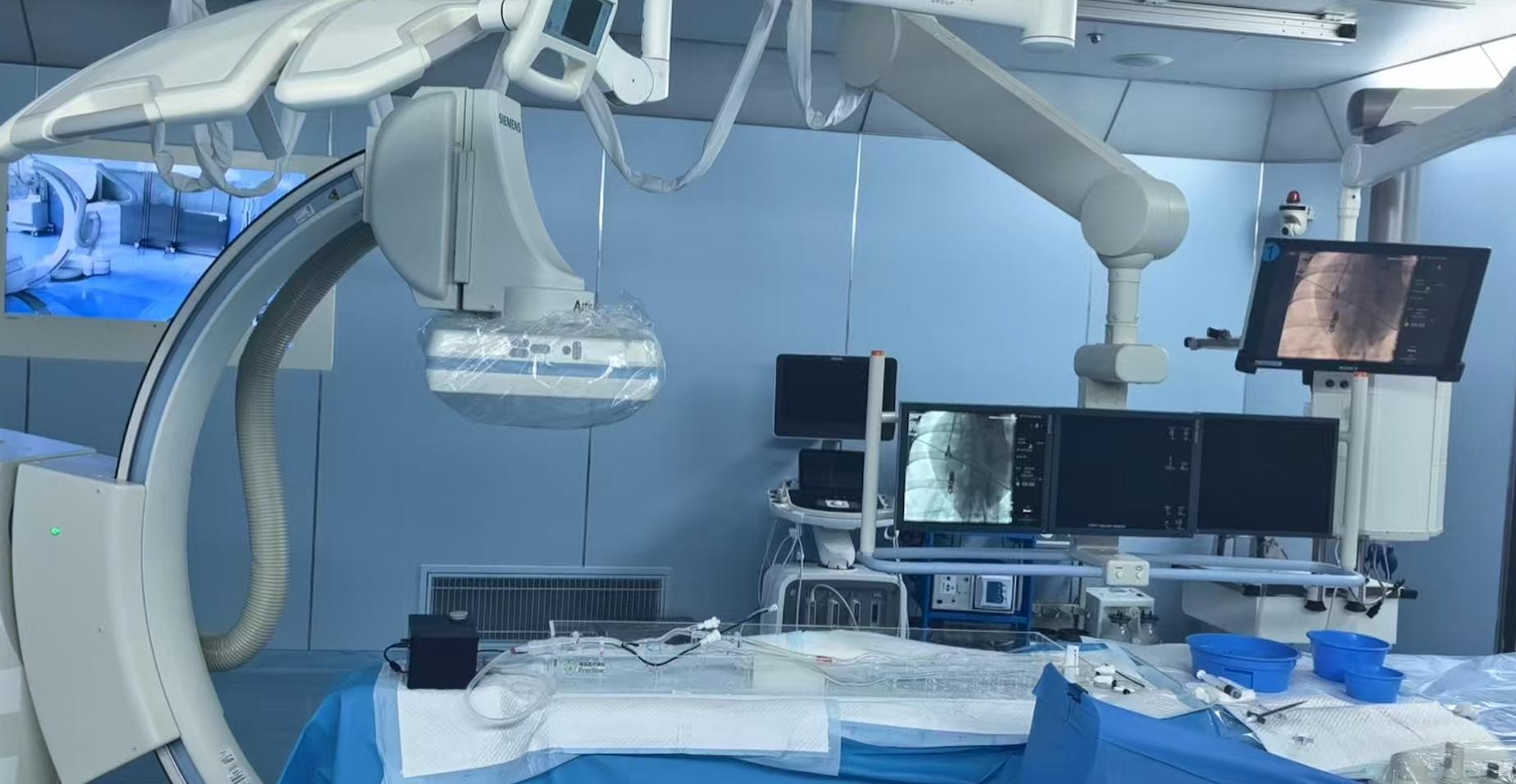
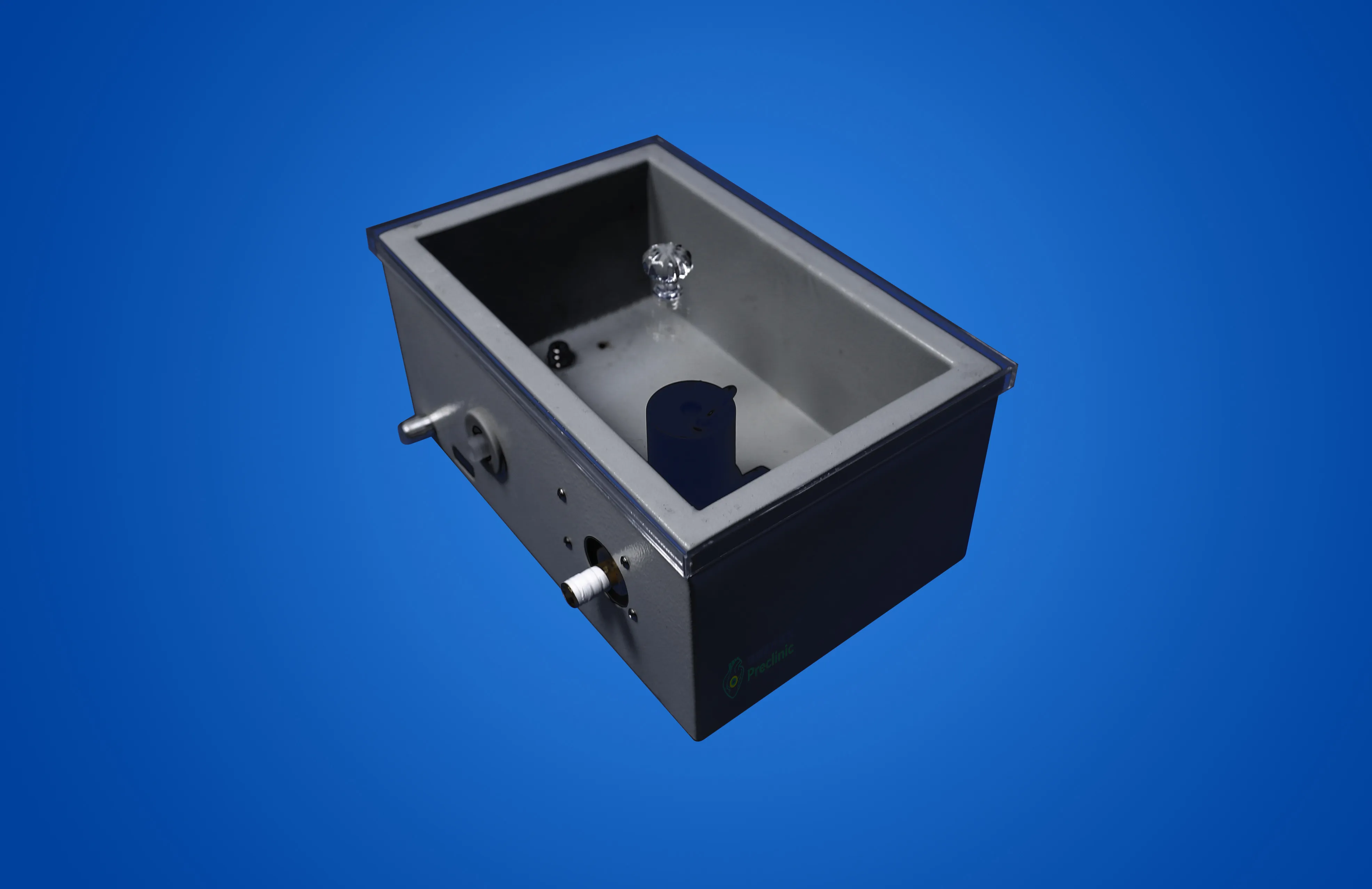
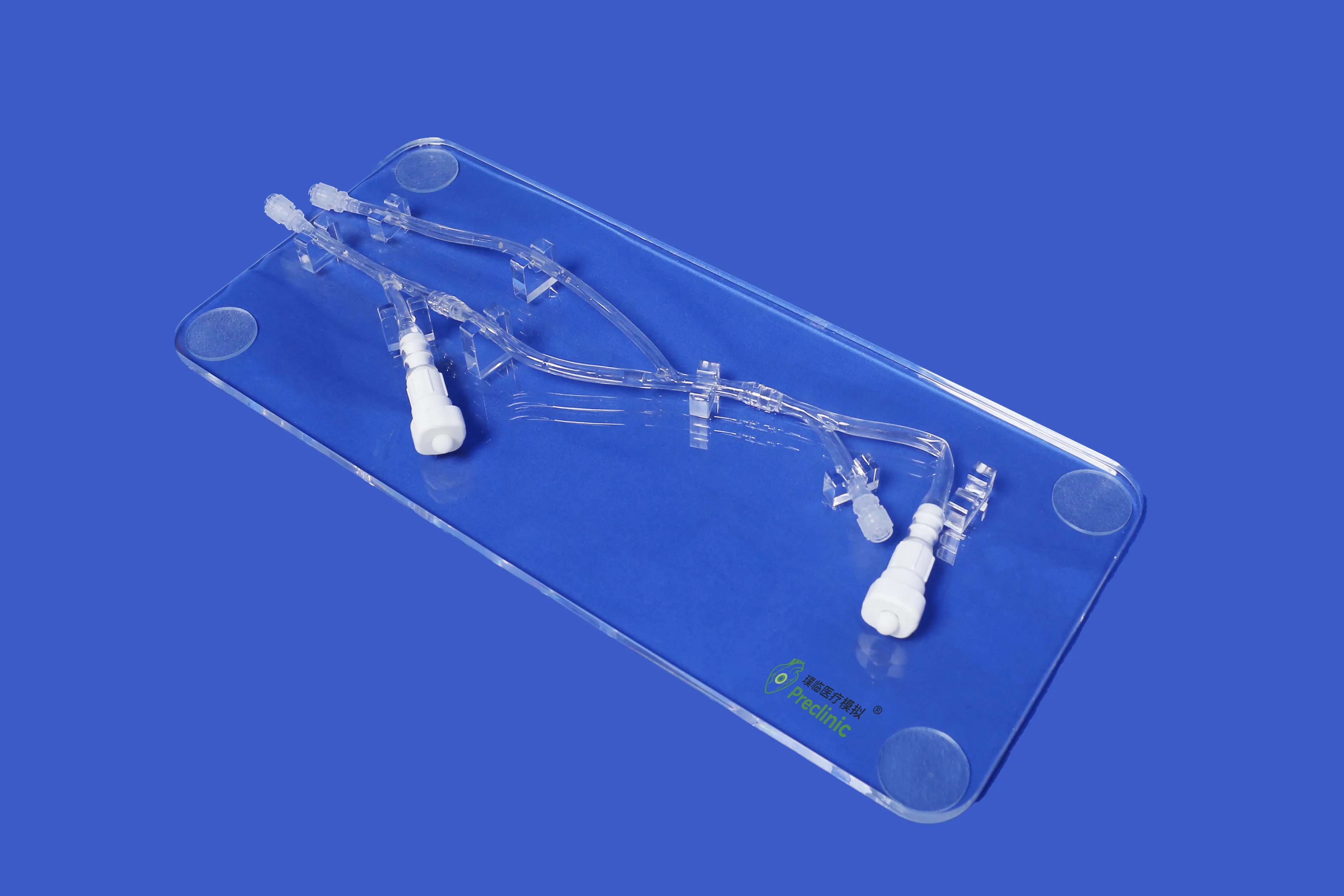
For example, a coronary simulation model can replicate different levels of stenosis and vascular complexity, allowing engineers to evaluate device behavior under realistic physiological conditions early in the development process.
This means simulation systems are no longer only educational tools—they are becoming critical R&D infrastructure for the medical device industry.
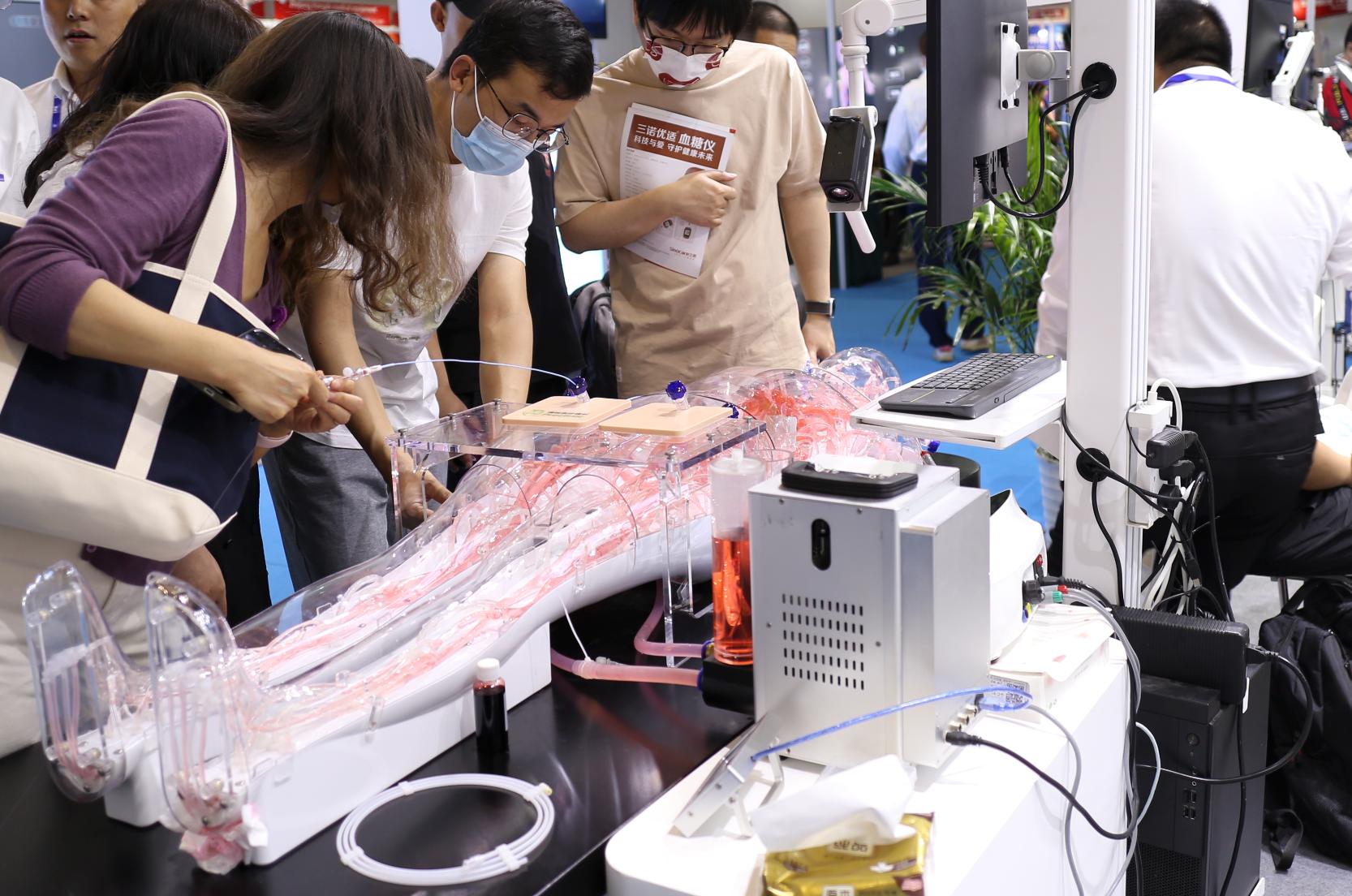
From an industry structure perspective, the medical simulation market is no longer a single-category product space. Instead, it is forming a clear three-layer ecosystem.
The first layer is clinical training infrastructure, used by hospitals to improve procedural performance and reduce clinical risk.
The second layer is medical education systems, used by universities to standardize skill development.
The third layer is medical device validation platforms, used by manufacturers for product testing and R&D.
These three layers were historically separate, but are now increasingly converging into a continuous ecosystem linking education, clinical practice, and product innovation.
One of the most important changes in procurement behavior is the shift from device-based evaluation to outcome-based evaluation.
Hospitals no longer ask “what features does this system have,” but instead ask:
What training outcomes does this system deliver?
Does it reduce training time?
Does it improve procedural success rates?
This reflects a broader shift in how medical simulation systems are perceived—from standalone equipment to integrated training infrastructure.
For example, a heart circulatory system model is no longer just a teaching device, but a physical component within a broader training ecosystem that includes performance tracking, behavioral analysis, and competency development pathways.
If your institution is evaluating medical simulation systems for hospital training programs, medical education, or medical device R&D applications, we can provide system-level solutions designed around training outcomes rather than standalone devices.
Our solutions cover cardiovascular simulation, vascular training systems, respiratory endoscopy platforms, and gastrointestinal simulation environments, all configurable based on training objectives, institutional scale, and budget structure.
If you would like to explore further, we can provide:
System-level deployment architecture
Hospital and medical school application cases
Customized training system planning
Our goal is not to supply devices, but to help you build a scalable, outcome-driven medical training infrastructure.