The global healthcare ecosystem is undergoing a structural transformation, and medical simulation systems are no longer viewed as optional training tools. Instead, they are becoming an essential part of modern healthcare infrastructure, embedded within hospital training programs, medical universities, and medical device development pipelines.
According to industry research from MarketsandMarkets, the global medical simulation market is valued at approximately $3–3.5 billion in 2025, with projections suggesting it could exceed $7–13 billion by 2030–2035, growing at a CAGR of 11%–17% depending on segmentation and regional adoption levels.
This growth is not driven by technology hype, but by structural pressure within healthcare systems: increasing procedural complexity, rising patient safety requirements, and a global shortage of trained clinical professionals.
In this context, simulation is no longer a support tool—it is becoming a core layer of clinical training infrastructure.
One of the strongest growth segments in this industry is cardiovascular simulation, driven by the increasing complexity of interventional procedures such as PCI, angiography, and catheter-based therapies.
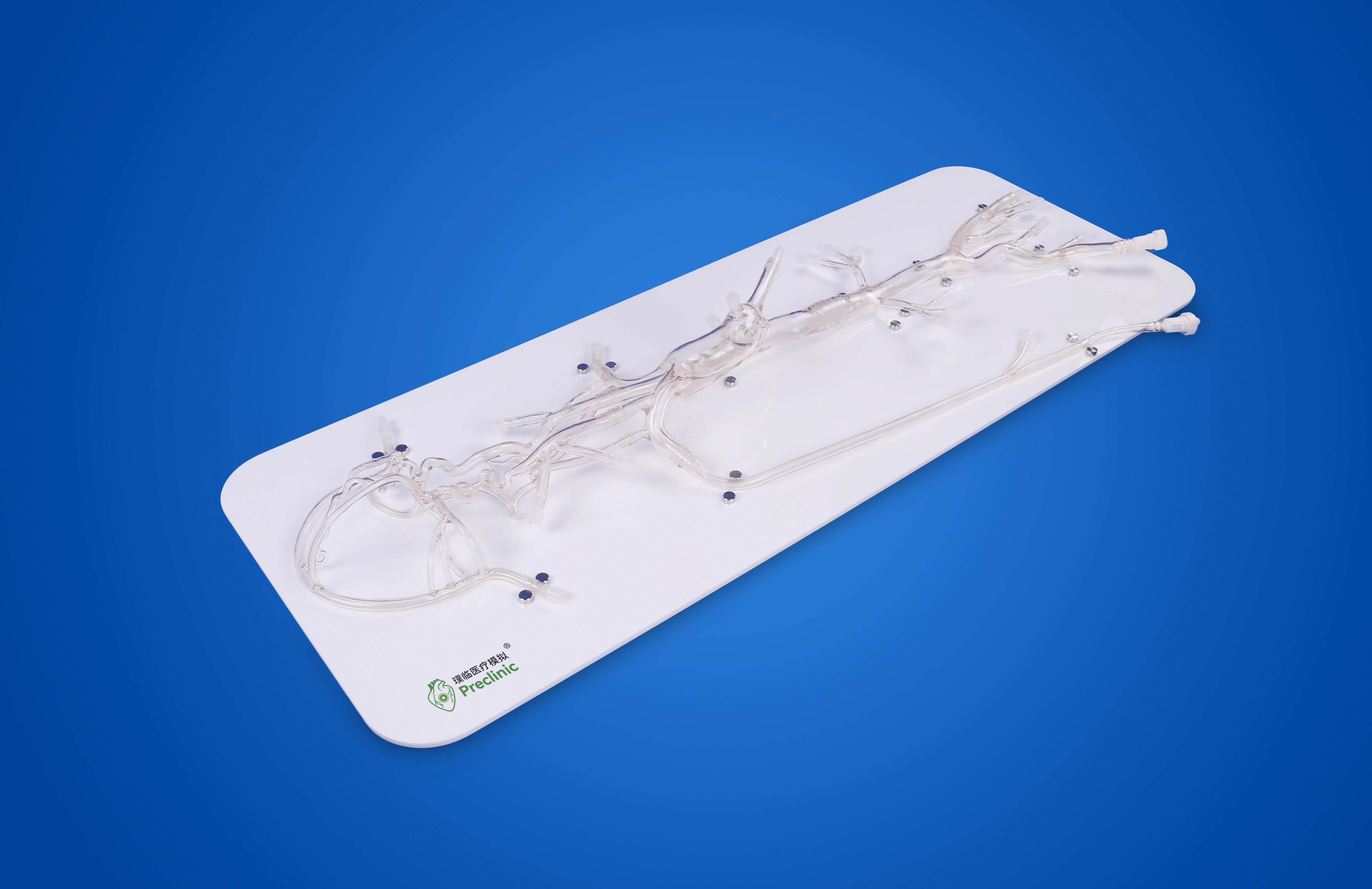
Modern systems such as the cardiovascular simulator and vascular simulation platform are now widely adopted not only in hospitals but also in medical schools and device testing environments.
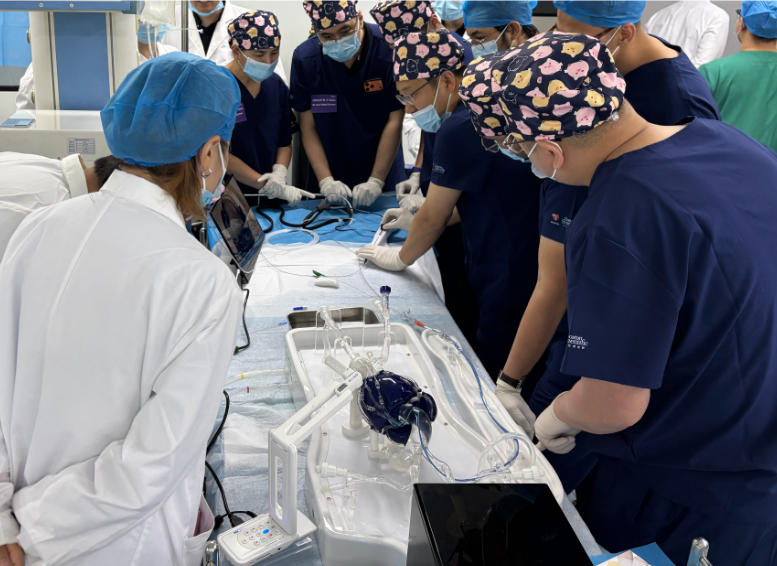
The demand is driven by three structural forces:
First, clinical case complexity is increasing significantly. Cardiovascular and neurovascular interventions now require highly individualized procedural decision-making rather than standardized workflows.
Second, training access is limited. Hospitals cannot rely on real patient exposure for early-stage training due to safety and ethical constraints.
Third, procedural consistency is becoming a regulatory and institutional requirement. Hospitals must ensure that different operators achieve consistent clinical outcomes.
As a result, simulation systems are evolving from educational tools into procedural competency systems.
Traditional medical education has historically relied on apprenticeship-based learning models, where clinicians develop skills through direct observation and supervised practice on real patients.
However, this model is increasingly unsustainable.
Modern healthcare systems require structured, repeatable, and measurable training environments. This is where medical simulation systems play a critical role by bridging the gap between theoretical knowledge and real clinical execution.
Instead of learning directly from patients, clinicians now develop procedural competence in controlled environments where complexity, difficulty, and repetition can be standardized.
This shift represents a fundamental transformation from experience-driven training to system-driven competency development.
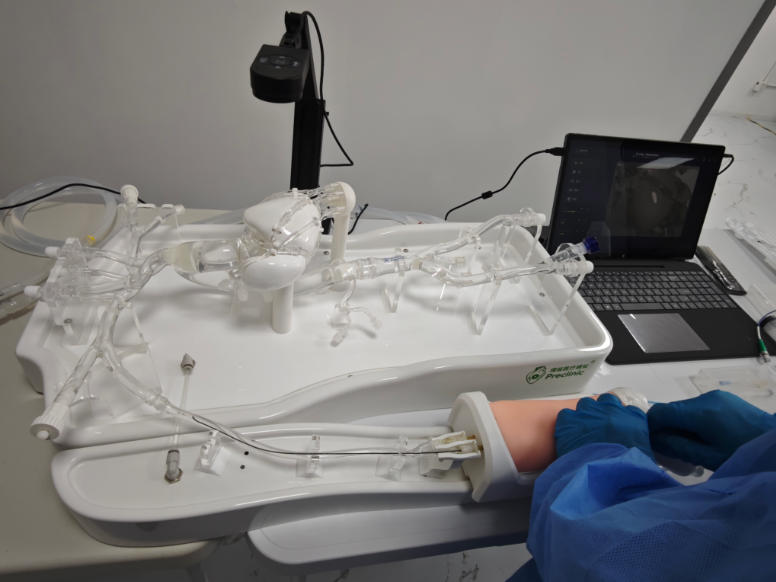
An often underestimated driver of this industry is the medical device sector.
Manufacturers of catheters, stents, guidewires, and endoscopic systems increasingly rely on simulation platforms for product validation and R&D testing.
For example, a coronary simulation model allows engineers to evaluate device behavior under realistic vascular conditions, including stenosis, curvature, and flow resistance variability.
This significantly reduces development risk, shortens product iteration cycles, and improves regulatory compliance outcomes.
As a result, simulation systems are now positioned not only as educational tools, but also as critical infrastructure for medical device innovation.
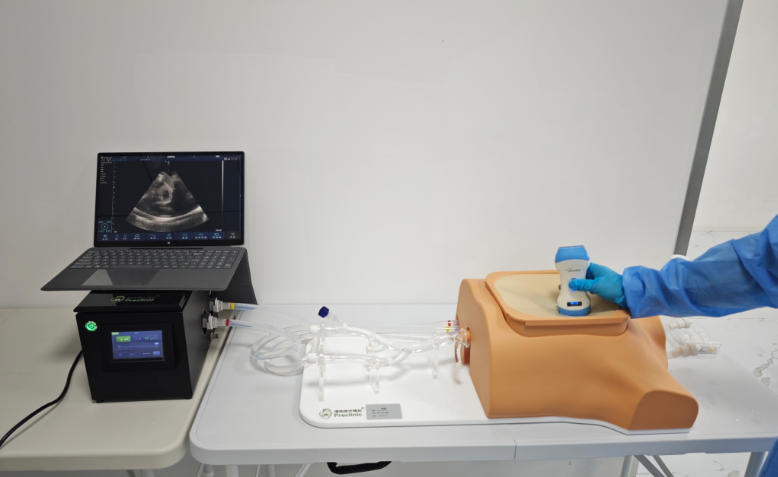
The medical simulation industry is no longer a single-market structure. Instead, it is evolving into a three-layer ecosystem:
The first layer is hospital-based clinical training systems, focused on improving procedural outcomes and reducing clinical risk.
The second layer is academic education systems, used by medical universities to standardize training and skill development.
The third layer is medical device validation environments, used by manufacturers for pre-clinical testing and product optimization.
These layers are increasingly interconnected, forming a continuous loop between education, clinical practice, and medical innovation.
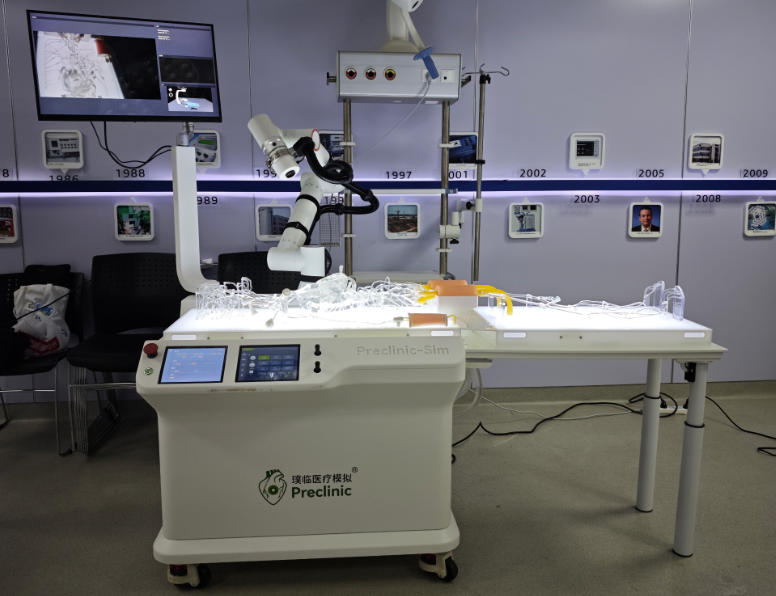
One of the most important structural changes in this industry is the shift in procurement logic.
Hospitals and institutions are no longer asking “which simulator is more advanced,” but instead:
Which system improves clinical competency faster?
Which platform reduces training time and risk?
Which solution ensures standardized procedural outcomes?
As a result, medical simulation systems are increasingly evaluated as integrated training infrastructures rather than standalone devices.
For example, a heart circulatory system model is no longer just an anatomical teaching tool, but a physical interface within a broader data-driven training ecosystem.
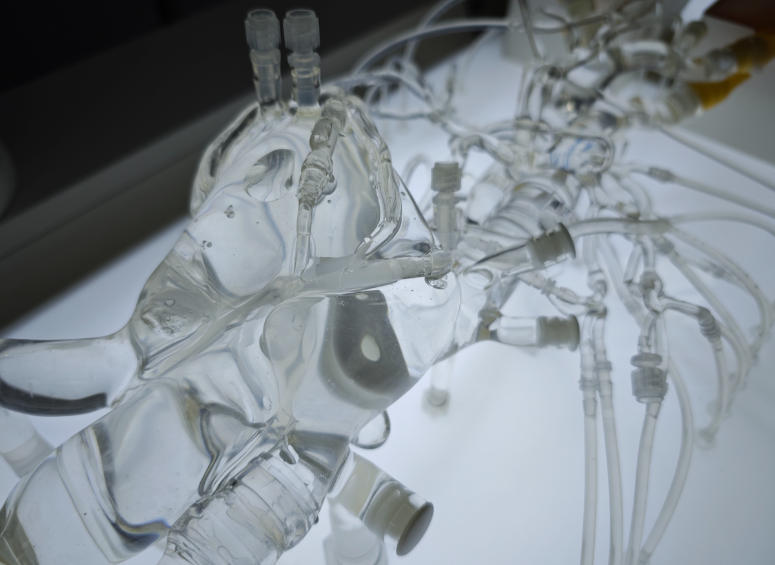
The next phase of industry evolution is the transition from physical simulation devices to integrated intelligent training ecosystems.
Future systems will combine:
AI-driven procedural evaluation
Patient-specific anatomical reconstruction (CT/MRI-based models)
Real-time performance analytics
Hybrid physical + digital simulation environments
In this architecture, simulation is no longer about representation—it is about clinical capability generation.
This marks a clear shift from hardware-centric systems to data-driven training infrastructures.
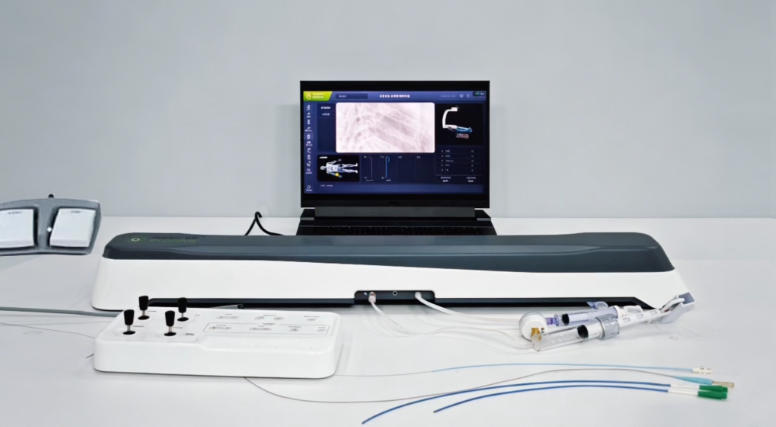
If your institution is evaluating solutions for hospital training programs, medical education systems, or medical device R&D validation, we provide system-level simulation solutions designed around clinical outcomes rather than standalone equipment.
Our platforms include:
Cardiovascular Intervention Simulation Training
Full series of training phantoms for coronary intervention, cardiac electrophysiology, structural heart disease, peripheral vascular and neurovascular intervention. Support stent implantation, ablation, guidewire manipulation and dynamic blood flow simulation.
Full-Department Endoscopic Surgery Simulation Training
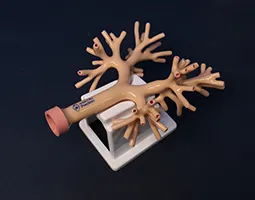
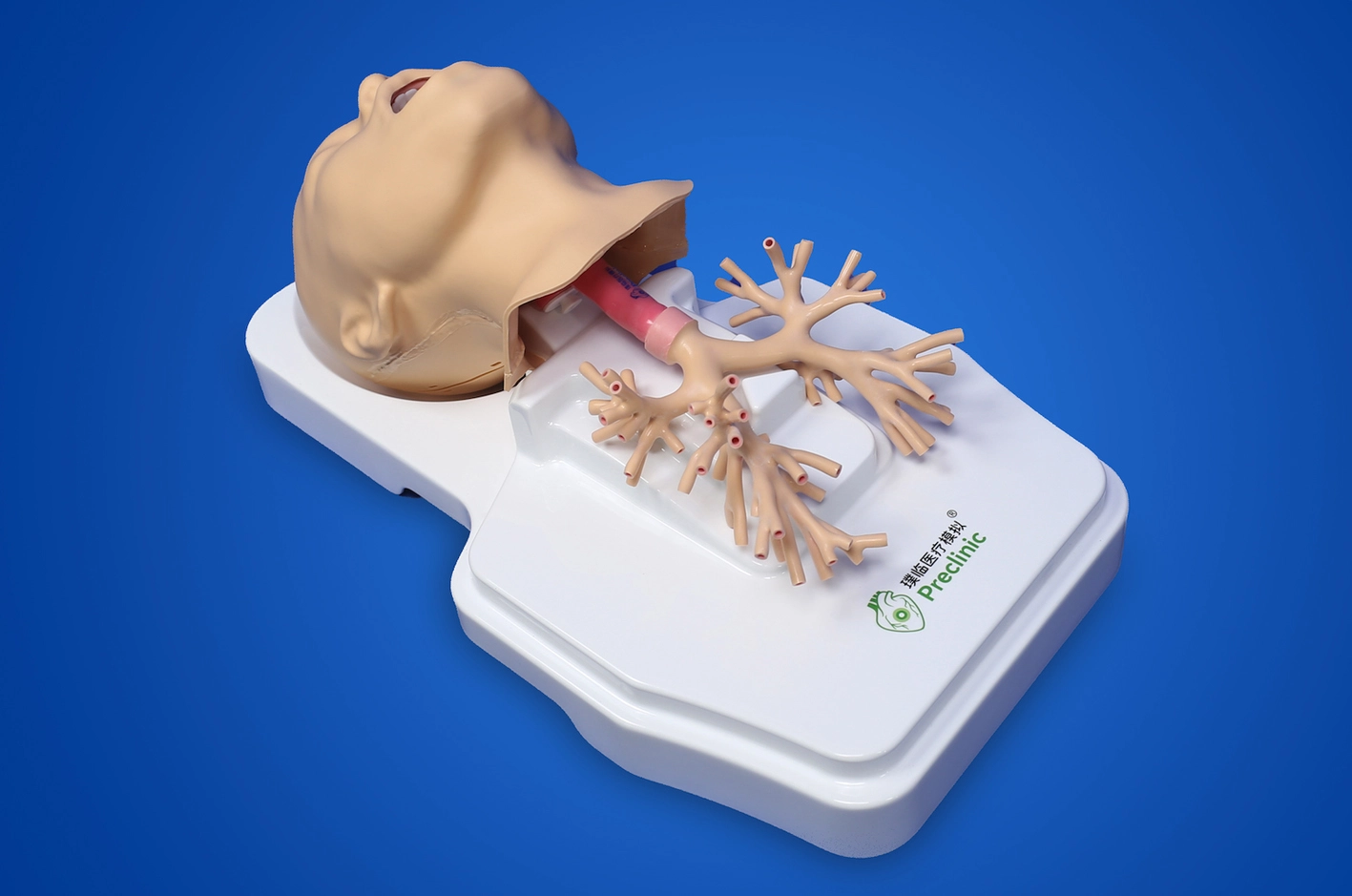
Simulation models for gastroenterological endoscopy, respiratory endoscopy, urological endoscopy, otorhinolaryngology endoscopy and orthopedic arthroscopy. Cover endoscopic operations including ESD, ERCP, percutaneous nephroscopy and bronchial puncture training.
Independent R&D & Customization of Bionic Medical Materials
Self-developed high-transparency medical silicone and bionic vascular tissue materials with adjustable elasticity, transparency and mechanical parameters. Suitable for mass production and customized development of various interventional and endoscopic models.
Customized Phantom Development
1:1 anatomical reconstruction based on patients’ CT/MRI images. Customizable lesion modules (stenosis, aneurysm, thrombus, malformation), dedicated access channels and water circulation dynamic training systems.
In Vitro Testing & Verification Service for Medical Devices
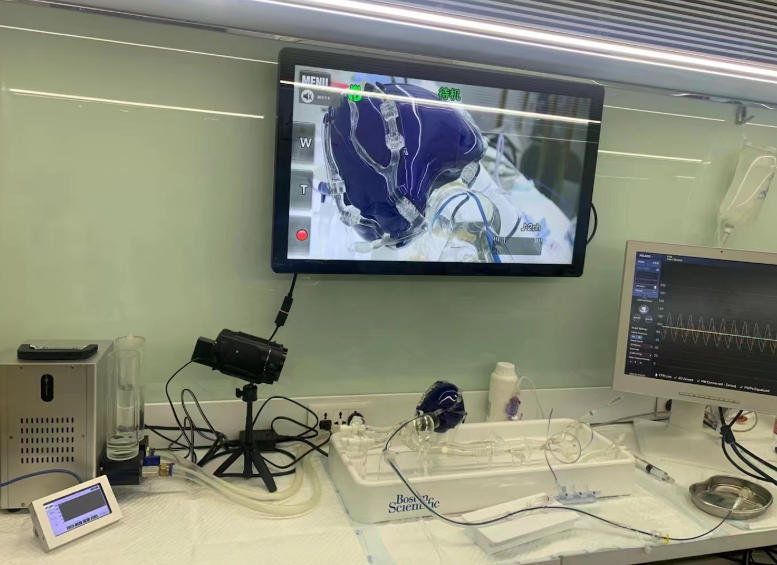
Provide stable simulated testing environment for catheters, guidewires, stents, ablation equipment and endoscopic instruments, applicable to product R&D, performance verification, exhibition demonstration and registration document support.
Integrated Hardware & Software Training Supporting Solutions
Pulsatile pump circulation systems, DSA visual training platforms, virtual simulation teaching software, complete supporting consumables and standardized teaching & assessment programs.
Explore solutions for:
Hospital training infrastructure upgrade
Medical university simulation curriculum design
Medical device pre-clinical validation systems
We help institutions move from equipment-based training to outcome-driven clinical competency systems aligned with global healthcare standards.