In today’s healthcare training ecosystem, the evaluation of medical simulation systems has fundamentally shifted from product-based comparison to outcome-based assessment. Hospitals, universities, and medical device companies are no longer selecting systems based on visual realism or anatomical completeness alone. These are now considered baseline expectations rather than differentiating factors.
What truly defines value today is whether a system can improve clinical decision-making, reduce training cycles, and deliver consistent procedural performance across different operators. In other words, institutions are no longer purchasing equipment—they are investing in training outcomes and clinical competency development.
This shift has significant implications for procurement strategy, system design, and long-term training infrastructure planning.
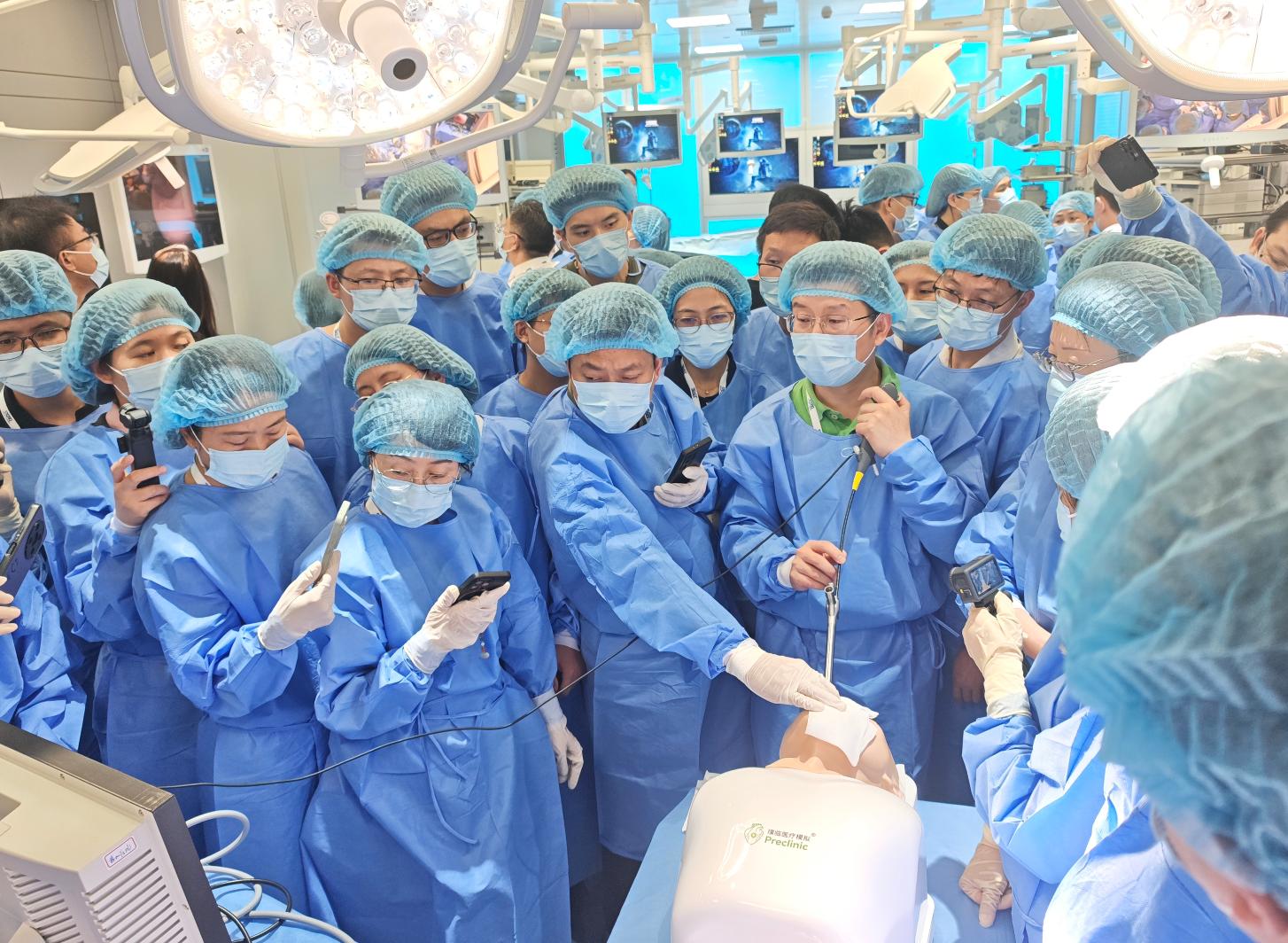
In cardiovascular, respiratory, and gastrointestinal training environments, most modern systems already achieve a high level of anatomical realism. A cardiovascular model, for example, can accurately reproduce heart chambers, vascular branching, and coronary pathways with high fidelity.
However, clinical performance is not determined by anatomy alone.
What matters in real procedures is how systems behave under intervention. A cardiovascular simulator must replicate blood pressure variation, vessel compliance, and dynamic flow resistance to meaningfully support clinical training. Without these behavioral elements, even the most visually accurate model fails to prepare clinicians for real surgical environments.
This is where the gap between “visual simulation” and “clinical simulation” becomes critical.
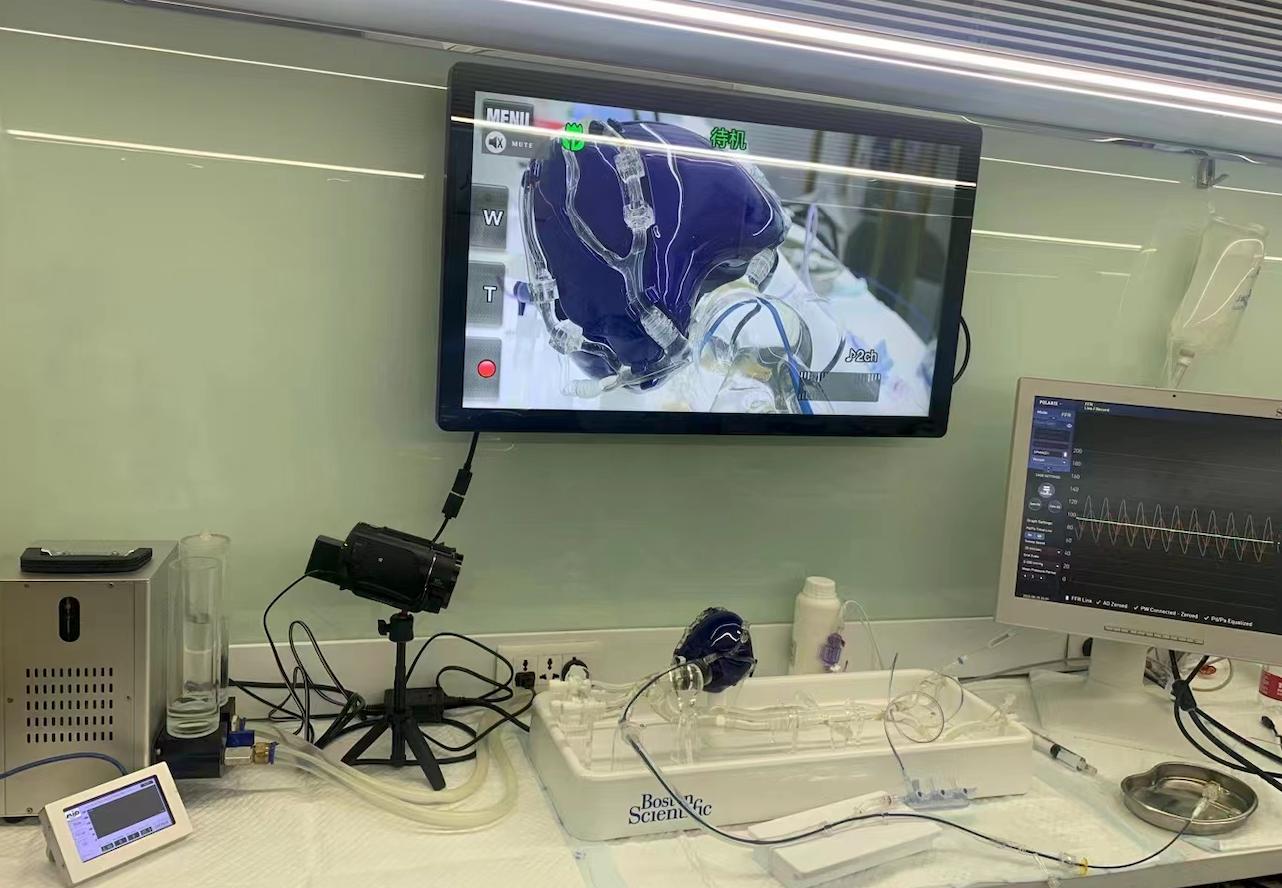
Modern healthcare simulation is no longer about structure replication—it is about decision replication.
In real clinical environments, especially in interventional cardiology, endoscopy, and vascular procedures, clinicians are constantly making decisions under pressure. These decisions are influenced by resistance feedback, anatomical variation, and physiological response.
Therefore, systems such as the coronary simulation model must go beyond anatomical representation and introduce procedural variability, uncertainty, and real-time feedback mechanisms. The goal is not to demonstrate anatomy, but to reproduce the cognitive and operational conditions of real clinical practice.
This is the point where simulation transitions from educational visualization to performance training infrastructure.
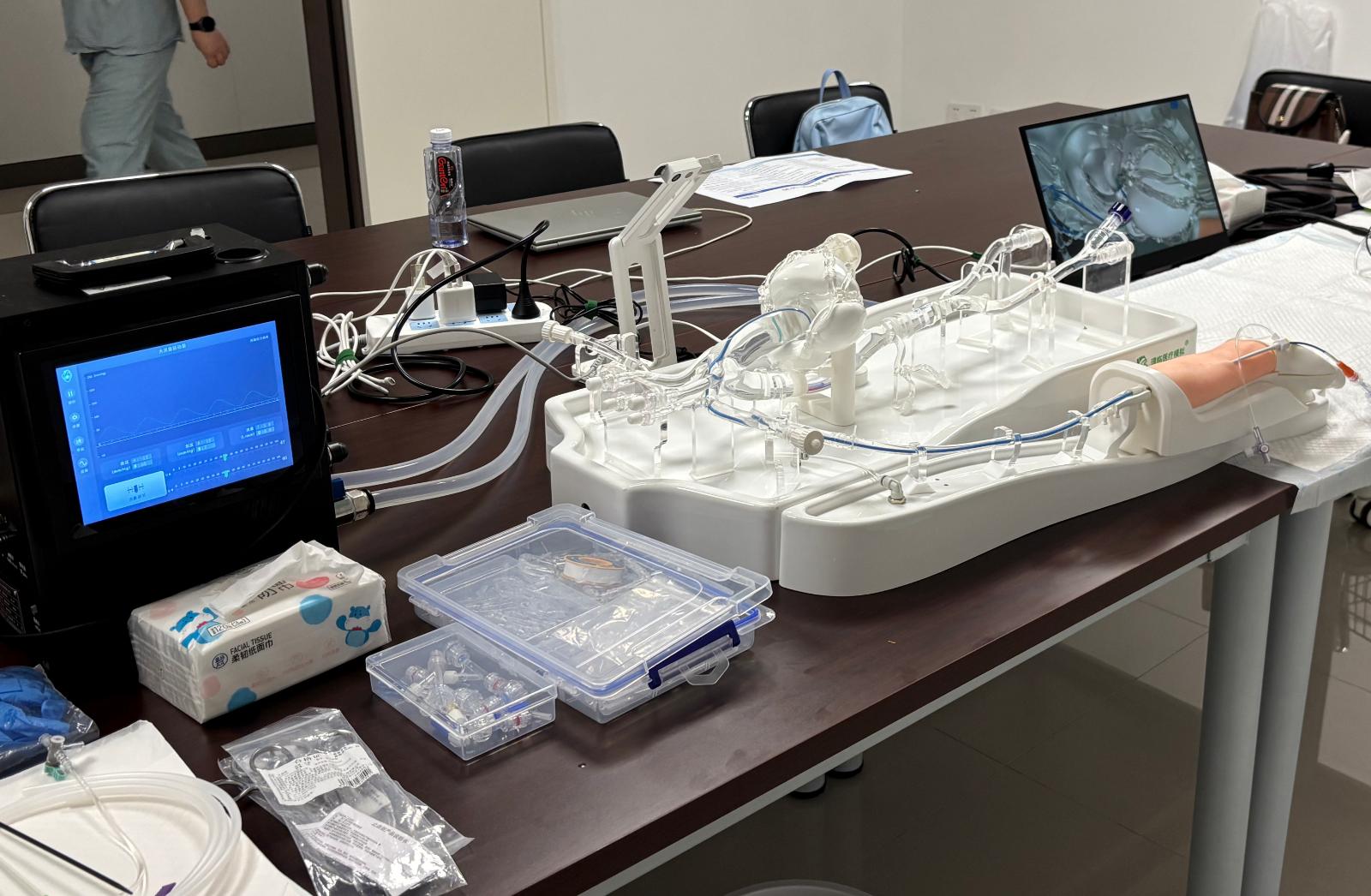
Hospital procurement behavior is undergoing a structural transformation. The question is no longer “which simulator is more advanced,” but rather:
Which system reduces training time?
Which system improves procedural success rates?
Which system ensures consistent performance across trainees?
As a result, medical simulation systems are now evaluated as part of clinical training pipelines rather than standalone equipment.
This shift means that simulation platforms are increasingly integrated into curriculum design, competency assessment frameworks, and institutional training standards.
For procurement teams, this also means vendor selection is no longer product-centric—it is outcome-centric.
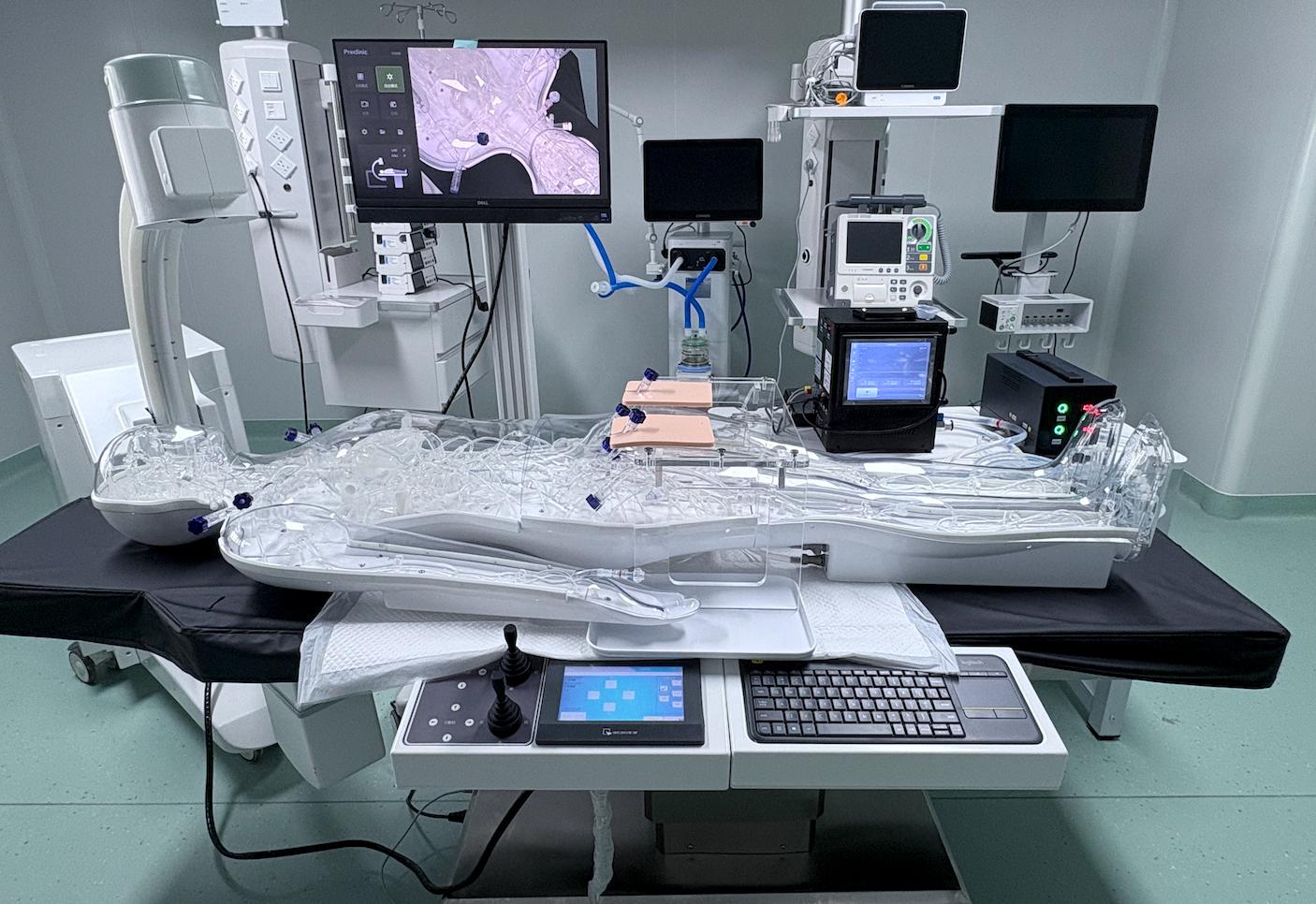
The next generation of medical simulation systems is evolving toward integrated ecosystems rather than isolated devices.
These systems combine physical anatomical models, AI-driven performance analytics, and patient-specific digital reconstruction to create a continuous training loop.
In this architecture, a heart circulatory system model is no longer just a teaching tool—it becomes a physical interface within a larger data-driven training environment. Operator performance is continuously measured, analyzed, and improved through structured feedback systems.
This evolution marks a clear transition from hardware-based simulation to data-driven clinical education infrastructure.
If your institution is currently evaluating medical simulation systems for hospital training programs, medical education platforms, or medical device R&D applications, we can support you with structured, outcome-oriented simulation solutions.
Our systems are designed not only to replicate anatomy, but to reproduce real clinical decision environments, enabling measurable improvements in procedural training efficiency and clinical competency development.
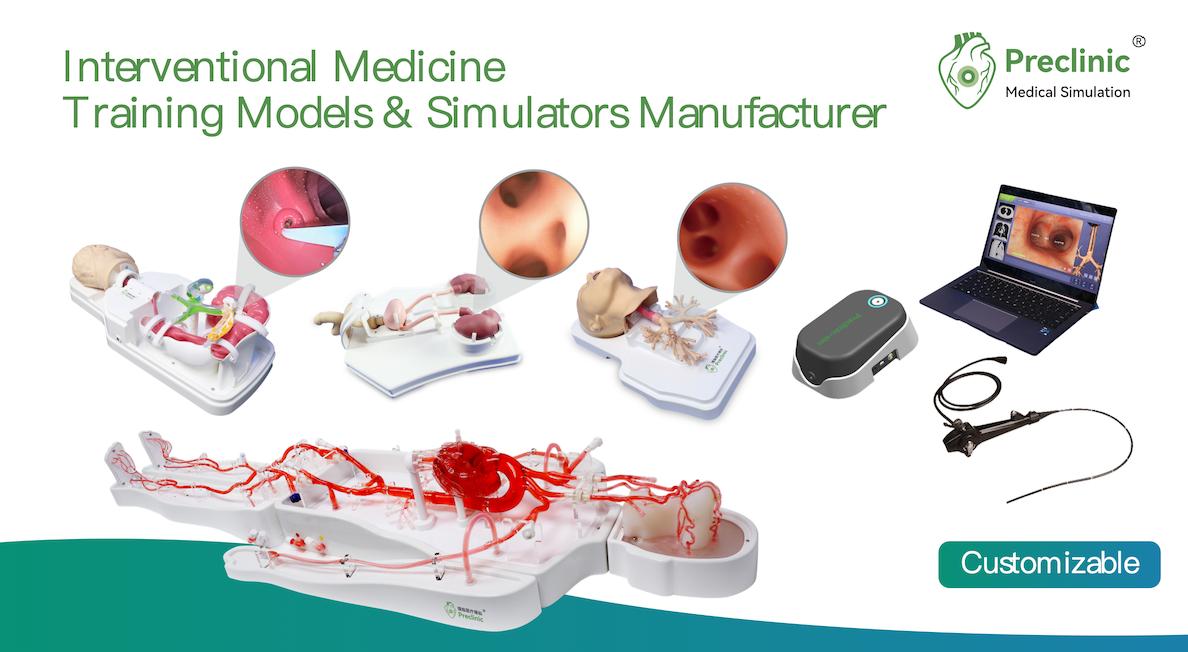
We provide modular solutions across cardiovascular, vascular, respiratory, and endoscopic simulation systems, with customization options based on training objectives, institutional scale, and budget structure.
Contact us to request:
Technical specification documents
Clinical training application cases
Customized system configuration proposal
OEM / institutional deployment方案
We can help you design a complete medical simulation training infrastructure aligned with real clinical workflows and measurable training outcomes.