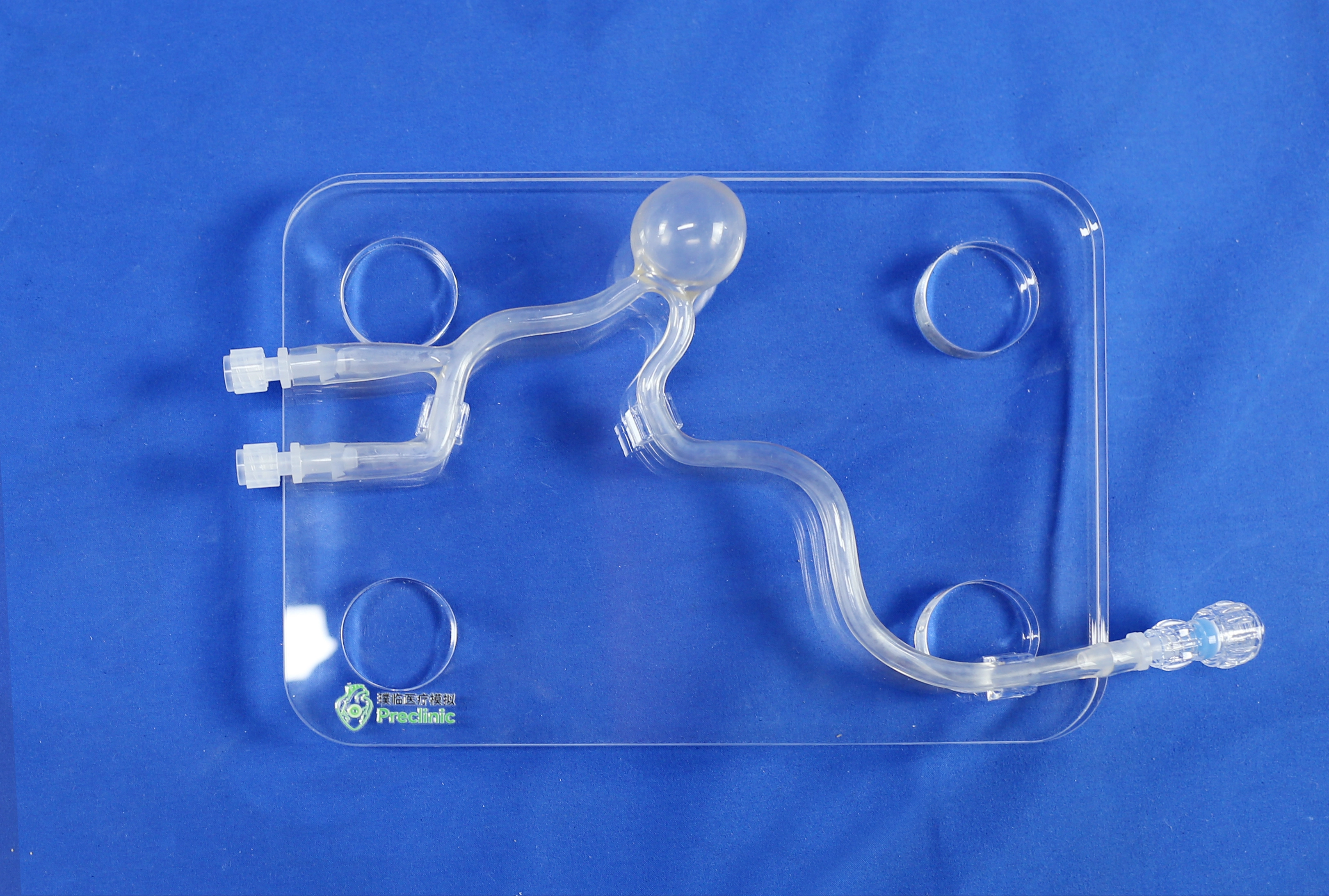
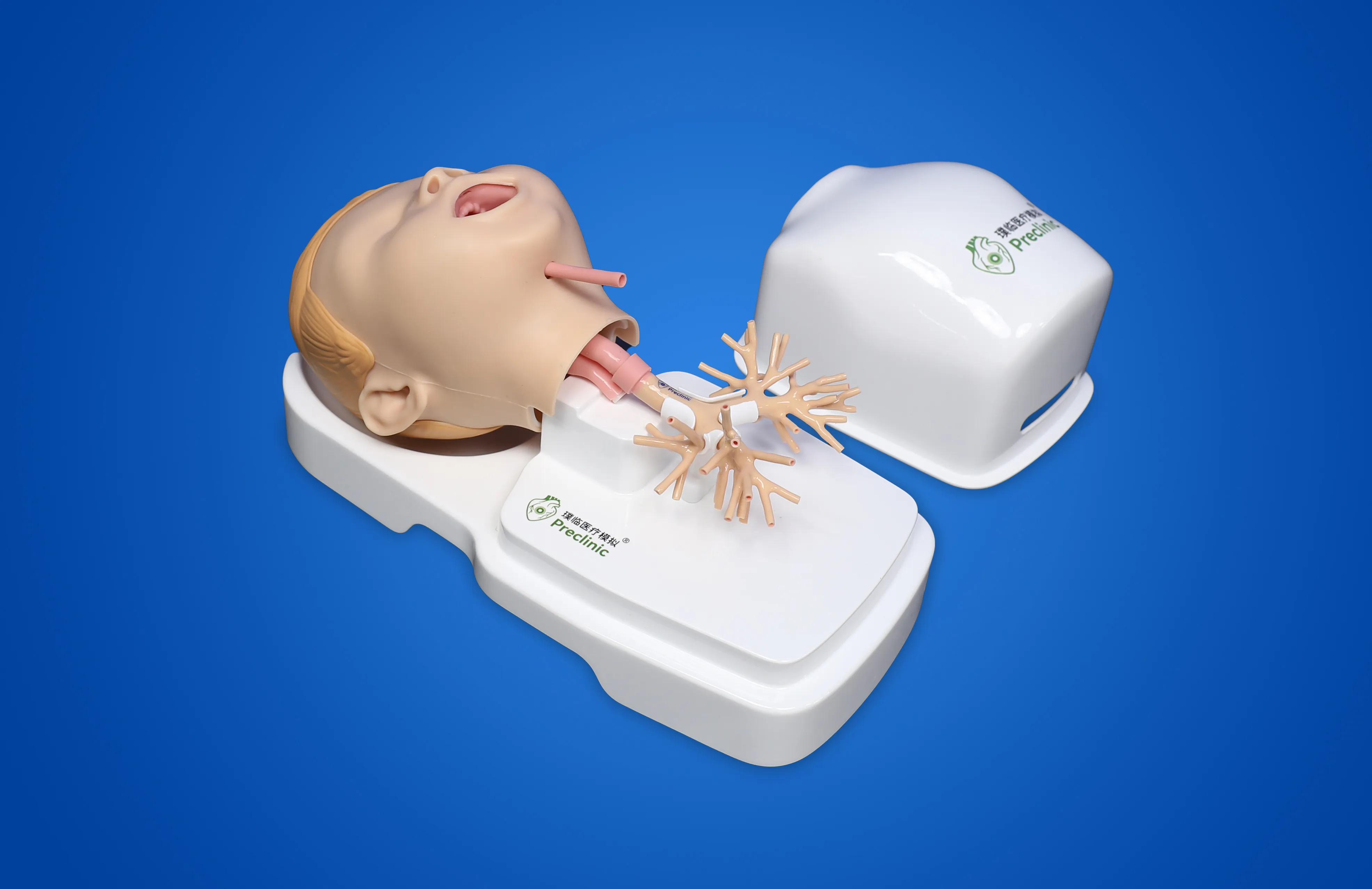
In modern medical training systems, gastrointestinal simulation has moved far beyond simple anatomical teaching. It is now a core component of endoscopic education, supporting clinical training in gastroenterology, surgical departments, and medical simulation centers.
This shift is driven by a very practical reality in clinical environments: gastrointestinal procedures such as gastroscopy and colonoscopy are highly operator-dependent, where precision, timing, and navigation skill directly affect diagnostic accuracy and patient outcomes.
As a result, traditional “observe and learn” training models are no longer sufficient. Institutions now require structured simulation systems that allow repeated practice in controlled, risk-free environments before real patient exposure.
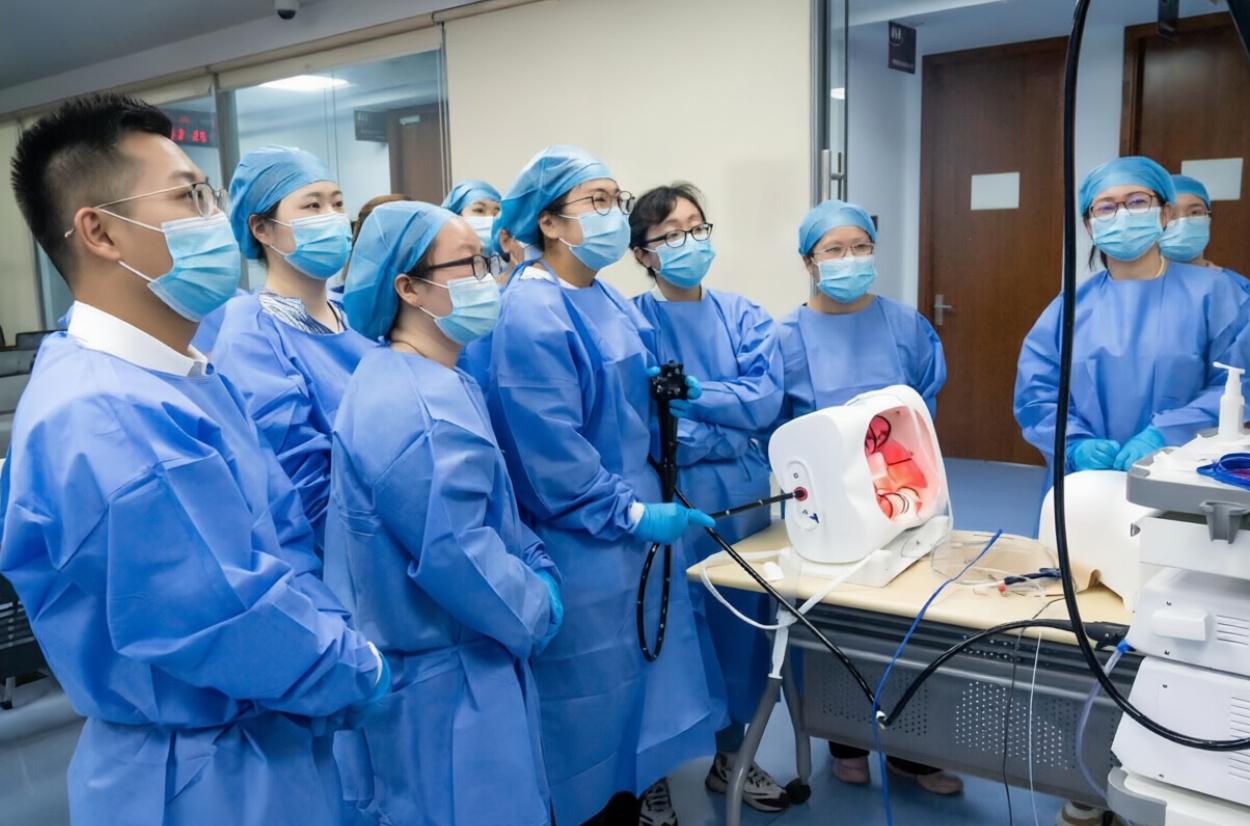
A gastrointestinal simulator is fundamentally different from a static anatomical model. The gastrointestinal tract is not a simple linear structure—it is a complex, flexible, and highly variable system with multiple bends, folds, and dynamic responses during endoscopic navigation.
From a product development perspective, the value of a GI simulation system is not determined by how accurately it replicates anatomy, but by how realistically it replicates procedural behavior.
This includes scope navigation resistance, tissue flexibility, anatomical variability, and the ability to simulate real clinical scenarios such as lesion detection, biopsy targeting, and polyp removal.
Without these elements, training remains theoretical rather than procedural.
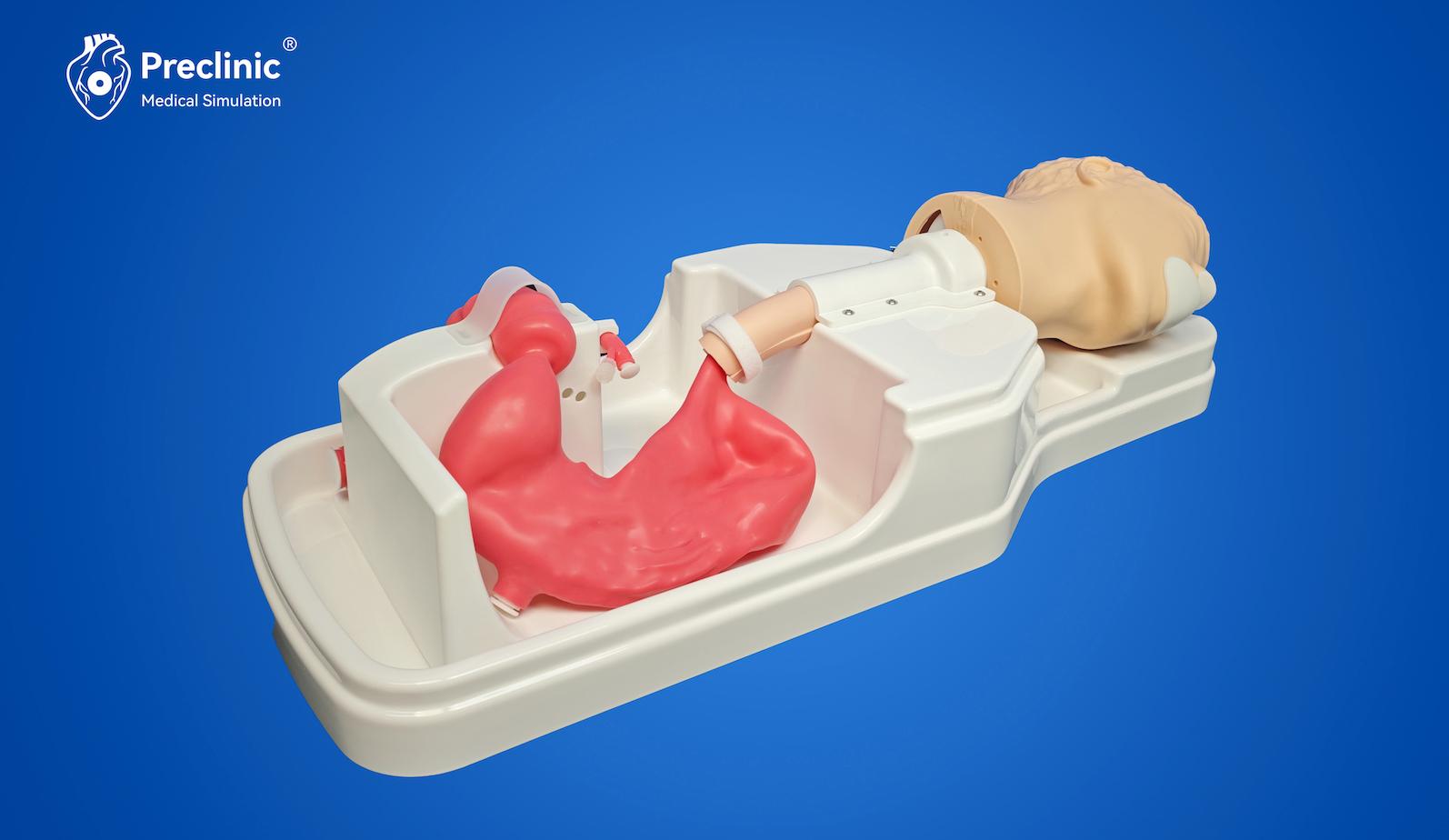
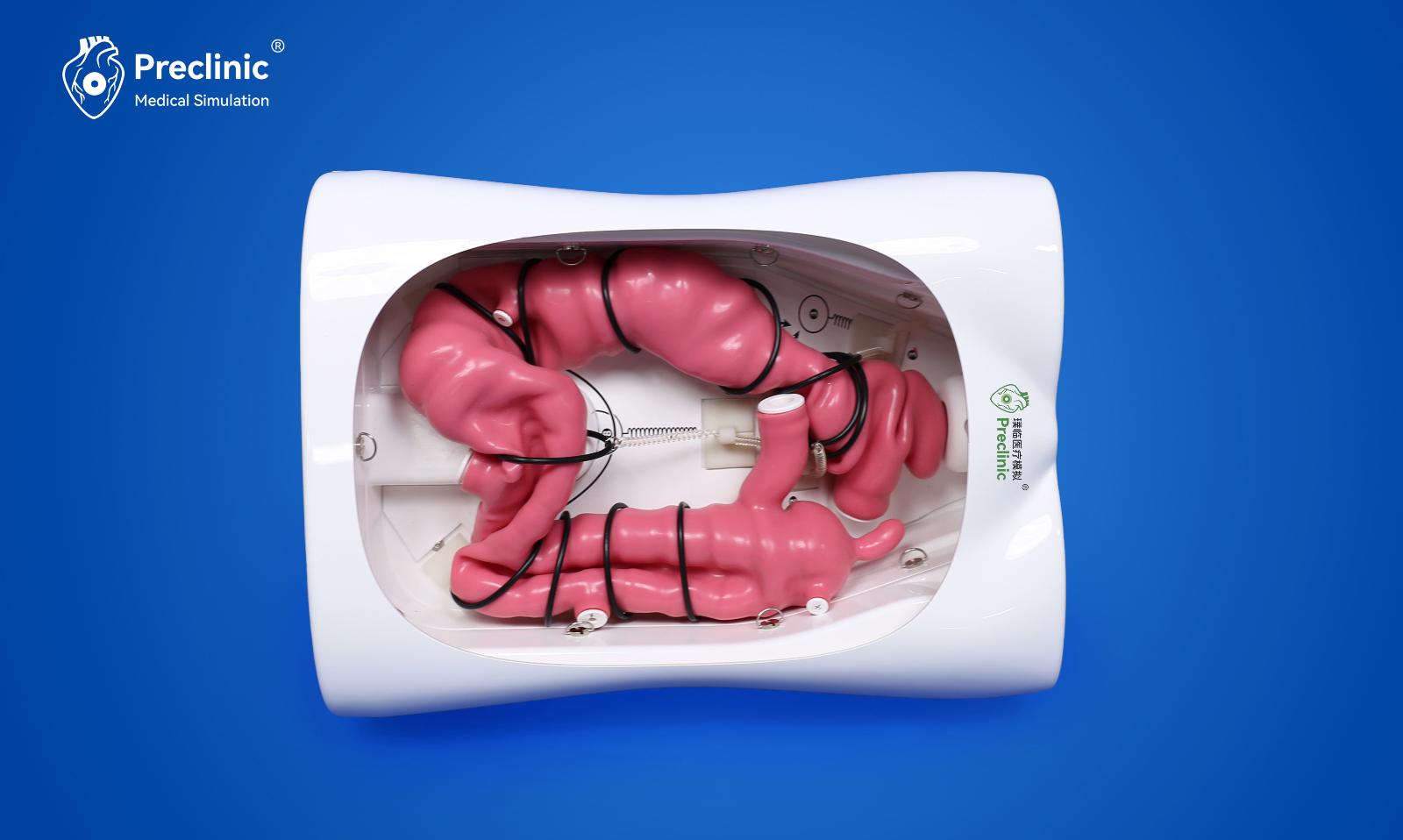
A high-quality colonoscopy training model must replicate the real-world challenges that clinicians face during lower gastrointestinal procedures.
In actual clinical environments, colonoscopy is not just about moving a scope through a tube. It requires constant adjustment of technique based on resistance, looping behavior, patient anatomy variation, and visibility constraints.
Therefore, an effective training system must simulate:
Variable colon geometry with realistic looping behavior
Tactile feedback during scope advancement
Anatomical landmarks for orientation training
Scenario-based pathology insertion (polyps, lesions)
From a training perspective, this allows clinicians to develop both technical navigation skills and diagnostic decision-making capabilities.
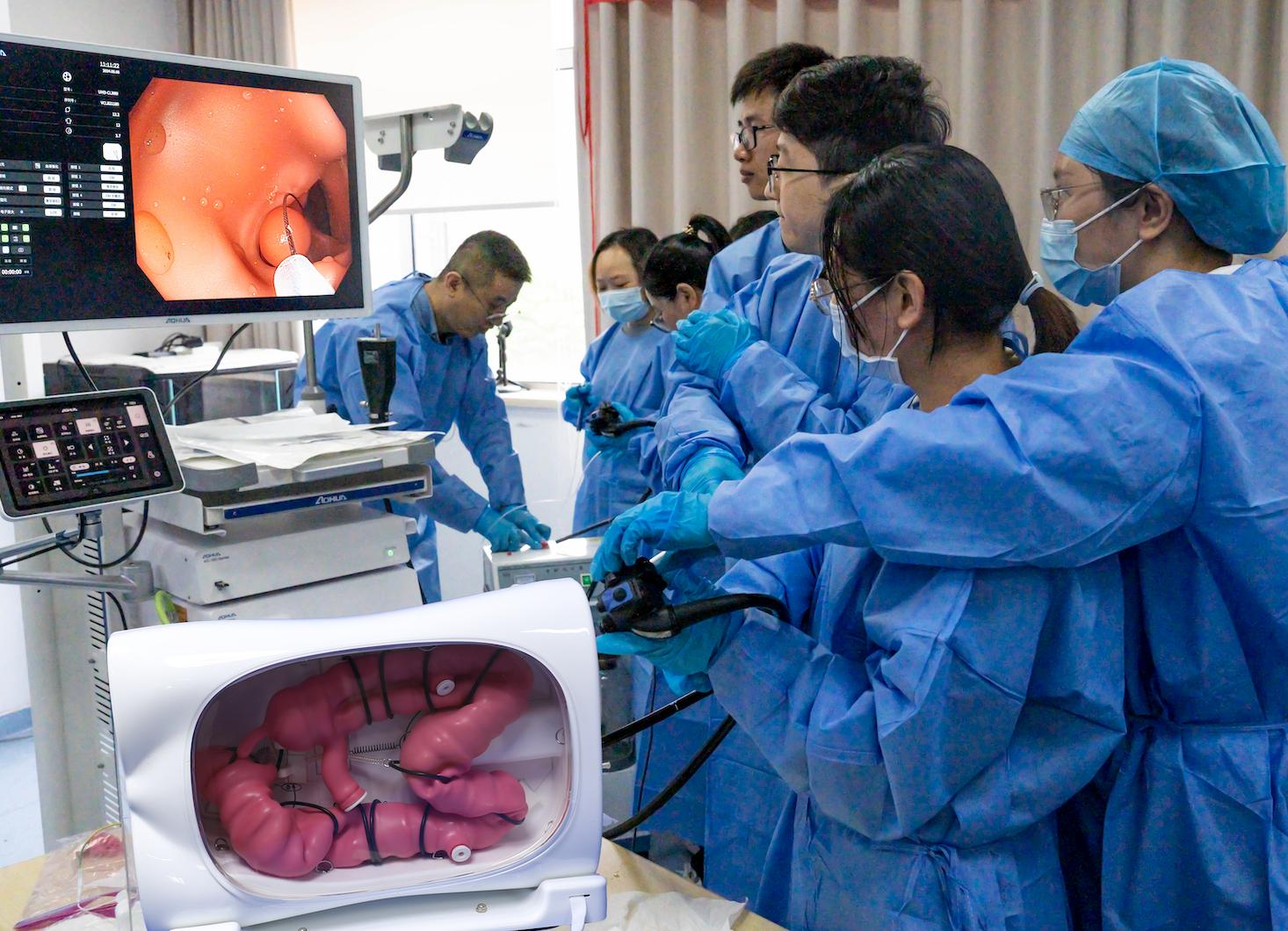
The stomach model and upper gastrointestinal simulation systems play a critical role in gastroscopy training, particularly in early-stage medical education.
Unlike lower GI procedures, upper GI endoscopy requires rapid orientation within a confined and highly folded anatomical space. Trainees must learn how to identify key anatomical landmarks while simultaneously controlling scope positioning and minimizing patient discomfort in real procedures.
A clinically relevant simulation system allows repeated practice of these skills without patient risk, significantly improving early-stage competency development.
The adoption of endoscopy simulation systems in hospitals is being driven by three major structural factors.
First, gastrointestinal endoscopy is a high-frequency diagnostic procedure, meaning even small errors in technique can accumulate into significant clinical impact over time.
Second, there is increasing demand for standardized procedural quality. Hospitals are no longer satisfied with variable operator performance, especially in screening programs such as colorectal cancer detection.
Third, training efficiency has become a critical constraint. Medical institutions are expected to train competent endoscopists faster while maintaining clinical safety standards.
As a result, simulation-based gastrointestinal training has become an essential part of modern medical education systems.
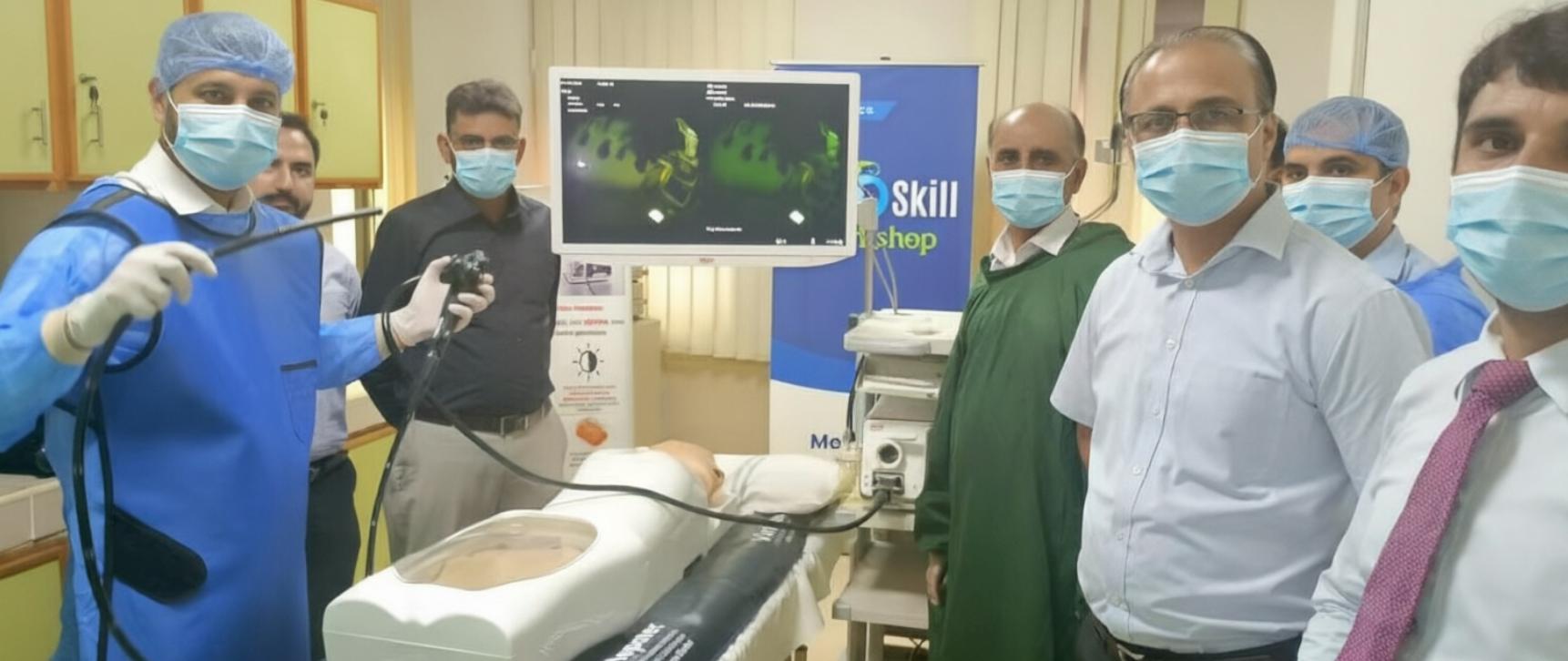
The next generation of gastrointestinal simulation systems is moving toward more intelligent and adaptive training environments.
One major direction is the integration of patient-specific anatomical data, allowing trainees to practice on realistic GI structures reconstructed from clinical imaging.
Another direction is AI-based performance evaluation, where procedural efficiency, accuracy, and decision-making are analyzed in real time to provide structured feedback.
In addition, hybrid systems combining physical GI models with virtual visualization layers are becoming increasingly common, offering both tactile and digital training experiences simultaneously.
From an industry perspective, gastrointestinal simulation is evolving from isolated training tools into comprehensive endoscopic education platforms.
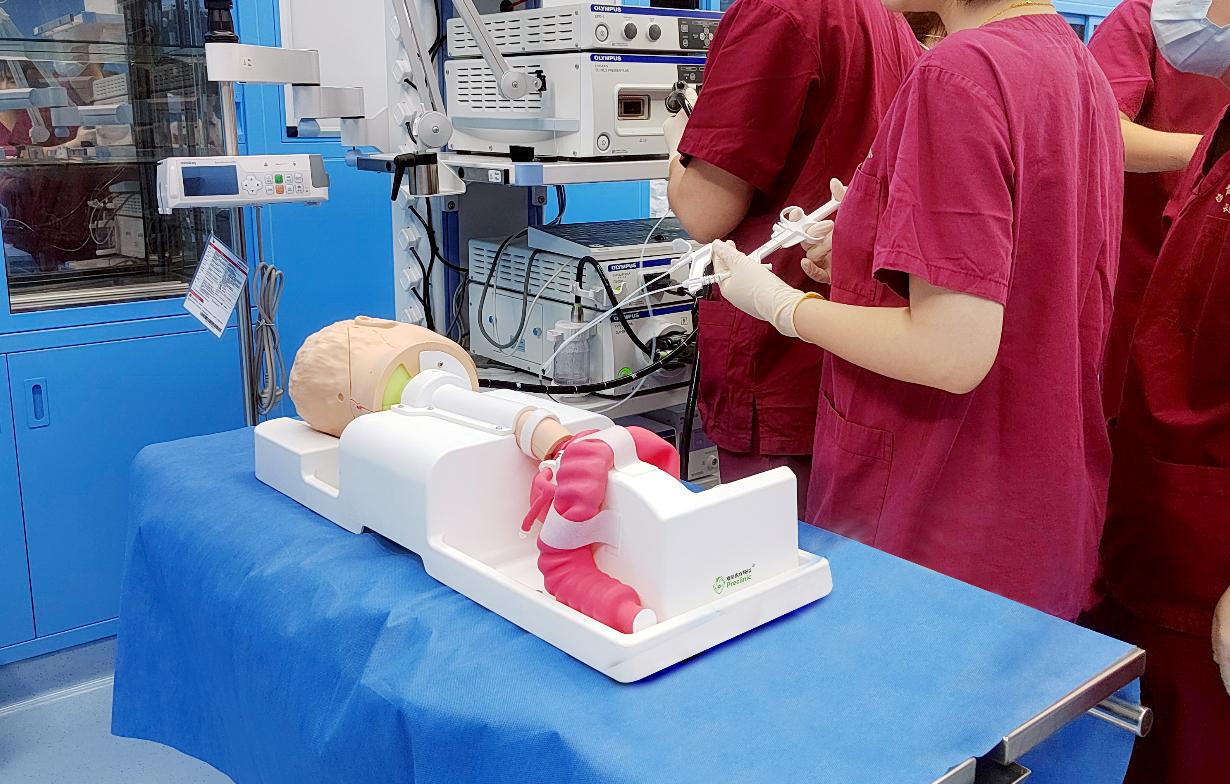
The gastrointestinal simulator is used in medical training to replicate endoscopic procedures such as gastroscopy and colonoscopy in a controlled environment. It allows clinicians to develop navigation skills, improve diagnostic accuracy, and gain procedural confidence before working with real patients. Modern systems focus not only on anatomical accuracy but also on procedural realism, including scope resistance, anatomical variability, and scenario-based training. These systems are widely used in hospitals, medical universities, and endoscopy training centers. The main goal is to improve patient safety, standardize procedural performance, and shorten training cycles.
If you are developing gastroenterology training programs, endoscopy education systems, or medical simulation laboratories, we can provide modular gastrointestinal simulation solutions tailored to different clinical training requirements.
Our systems include colonoscopy training models, gastroscopy simulation platforms, and integrated endoscopic training environments designed to support realistic procedural practice and skill development.
Feel free to contact us for technical documentation, application cases, or customized training system proposals. We can help you build a structured simulation environment that closely aligns with real clinical workflows and institutional training standards.