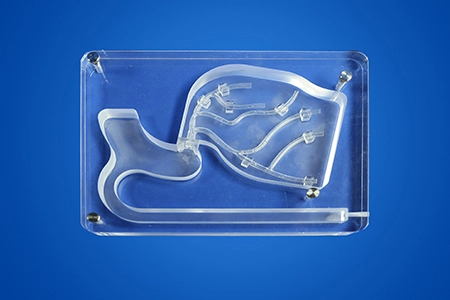
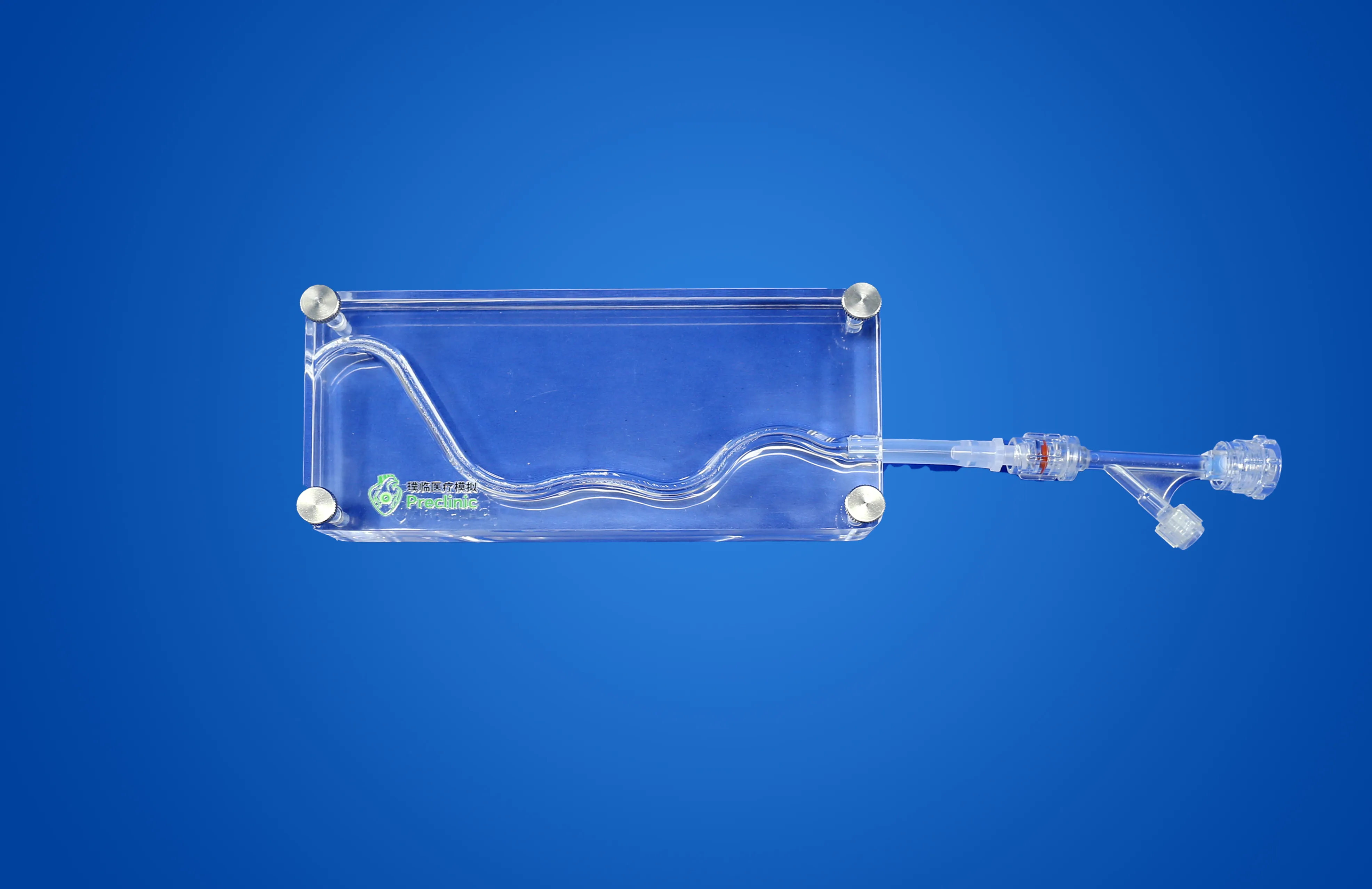
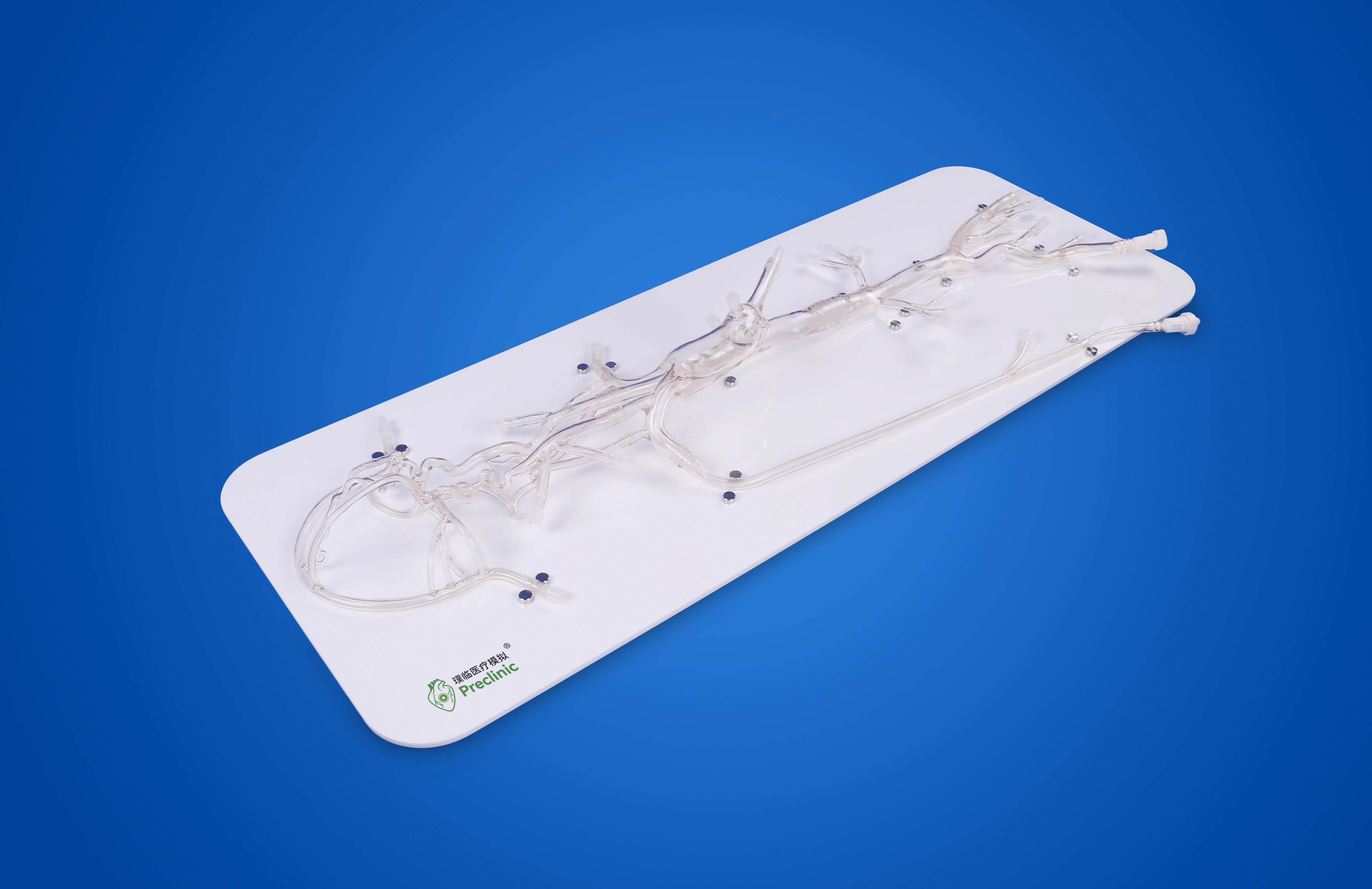
In the medical simulation industry, the cardiovascular model has evolved far beyond its original role as a simple anatomical teaching aid. Today, it is increasingly recognized as a core component of clinical training infrastructure, directly supporting interventional education, procedural skill development, and medical device validation.
This transformation is not driven by visual realism alone, but by structural pressures within modern healthcare systems. Cardiovascular disease remains one of the leading global health challenges, while the supply of experienced interventional cardiologists continues to lag behind clinical demand. At the same time, hospitals are under increasing pressure to reduce procedural risk, shorten training cycles, and ensure consistent clinical performance across operators.
As a result, the cardiovascular model has shifted from a passive representation of anatomy to an active simulation system that supports decision-making under realistic clinical conditions.
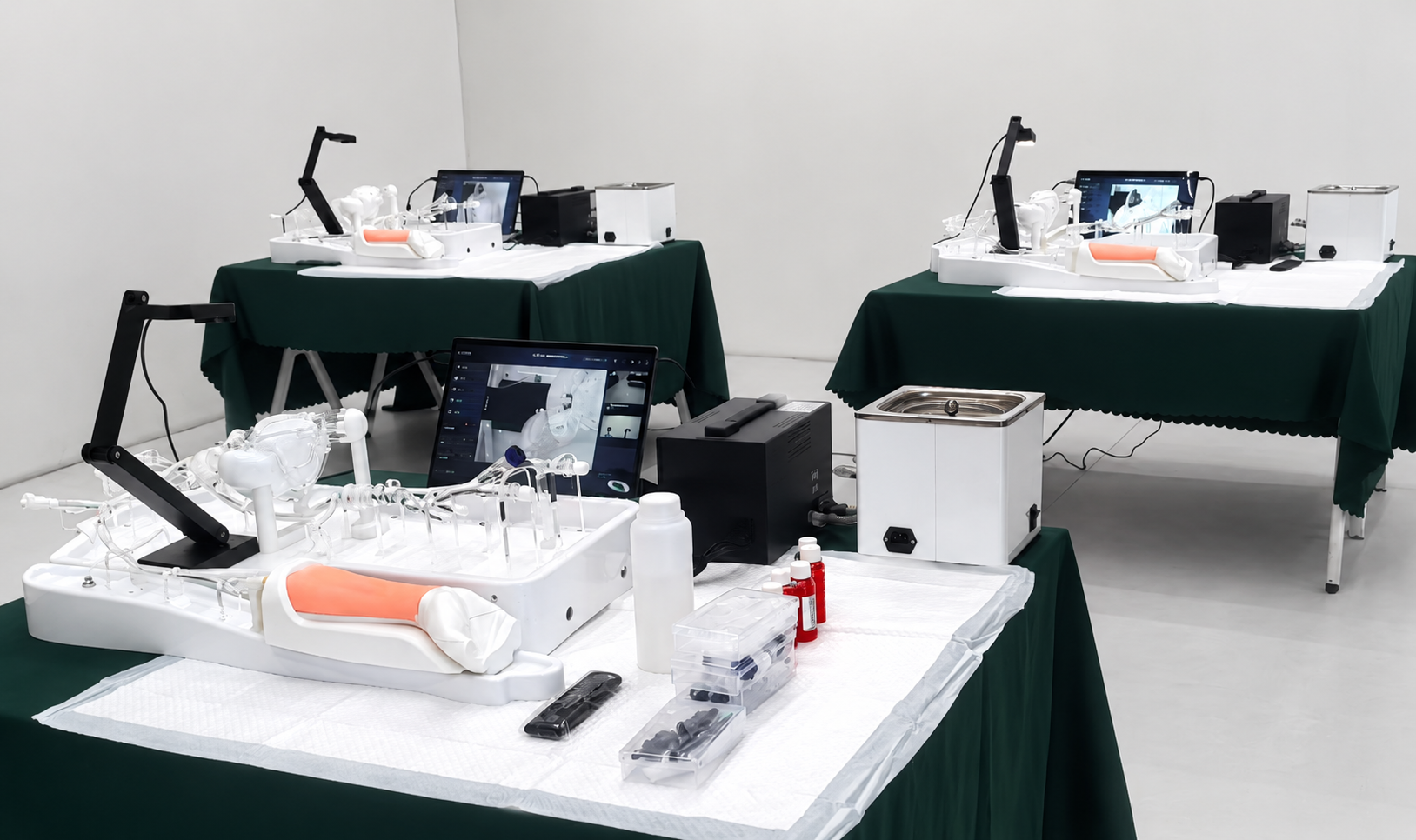
The modern heart circulatory system model is no longer limited to illustrating anatomical structures such as chambers, valves, and major vessels. Instead, it is designed to replicate how the entire circulatory system behaves under physiological and interventional conditions.
The fundamental shift here is simple but critical: traditional models help users understand anatomy, while modern simulation systems help users understand behavior.
To achieve this, a clinically relevant system must integrate multiple engineering dimensions, including anatomical accuracy, material response behavior, and dynamic flow representation. Only when these layers work together can the model support both foundational medical education and advanced interventional training workflows.
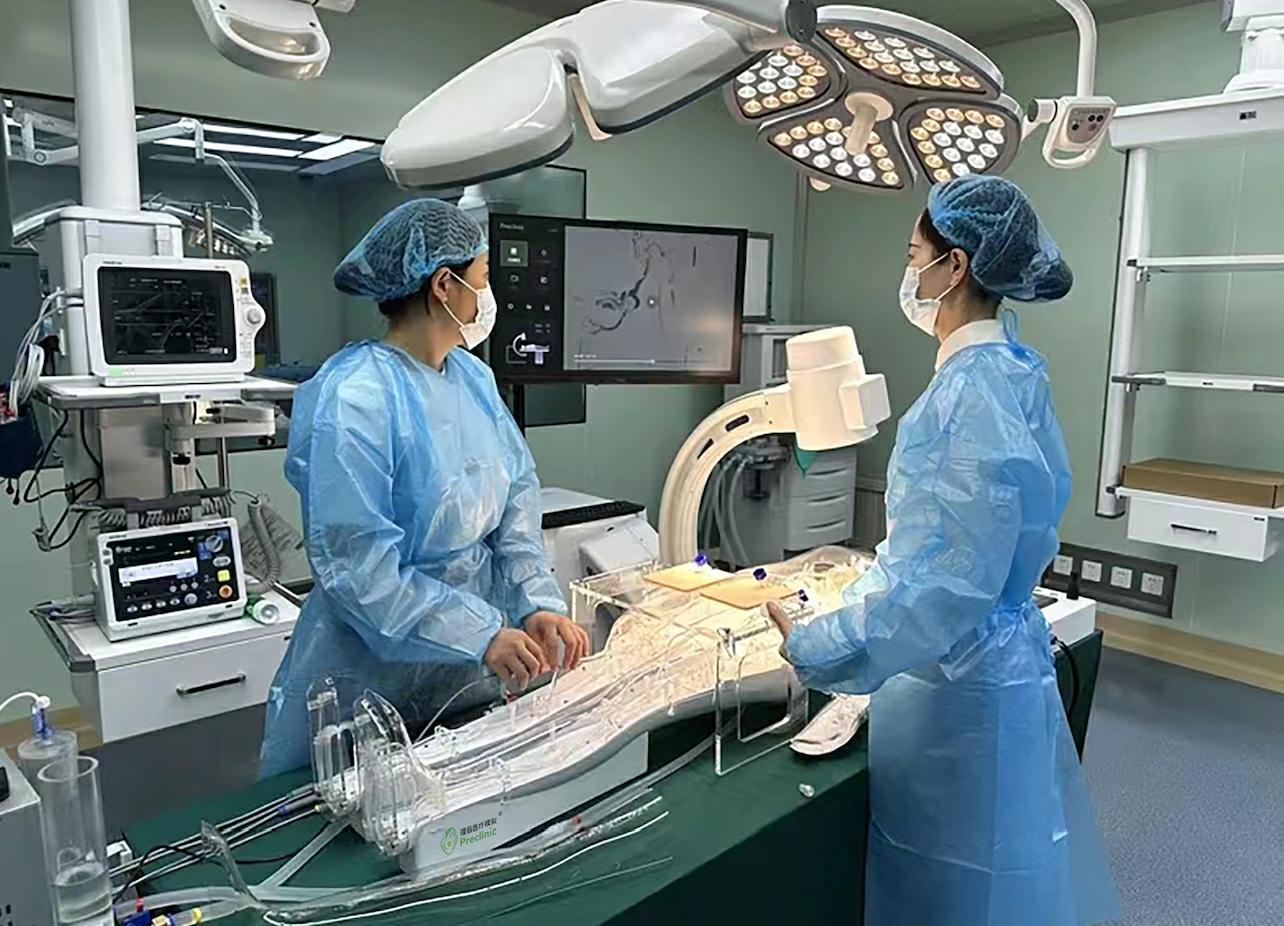
A clinically meaningful cardiovascular simulator is not defined by how realistic it looks, but by how accurately it reproduces physiological behavior during procedural intervention.
In real clinical practice, cardiovascular procedures are not static—they are dynamic, feedback-driven, and highly dependent on real-time physiological response. If a simulation system cannot replicate this complexity, the gap between training and real-world execution becomes significant.
For this reason, modern cardiovascular simulators are built around three core capabilities.
The first is realistic blood pressure simulation. Blood pressure is not a fixed value but a continuously changing waveform that directly influences catheter navigation, device positioning, and procedural outcomes.
The second is accurate vessel elasticity response. Human vessels are not rigid structures; they deform and respond dynamically to mechanical interaction. Without this behavior, procedural training loses clinical relevance and realism.
The third is dynamic flow resistance modeling across the vascular system. Variations in stenosis severity, vessel branching, and lesion complexity directly affect blood flow behavior, which in turn influences clinical decision-making during intervention.
Together, these three elements determine whether a system functions as a simple educational model or a clinically validated training platform.
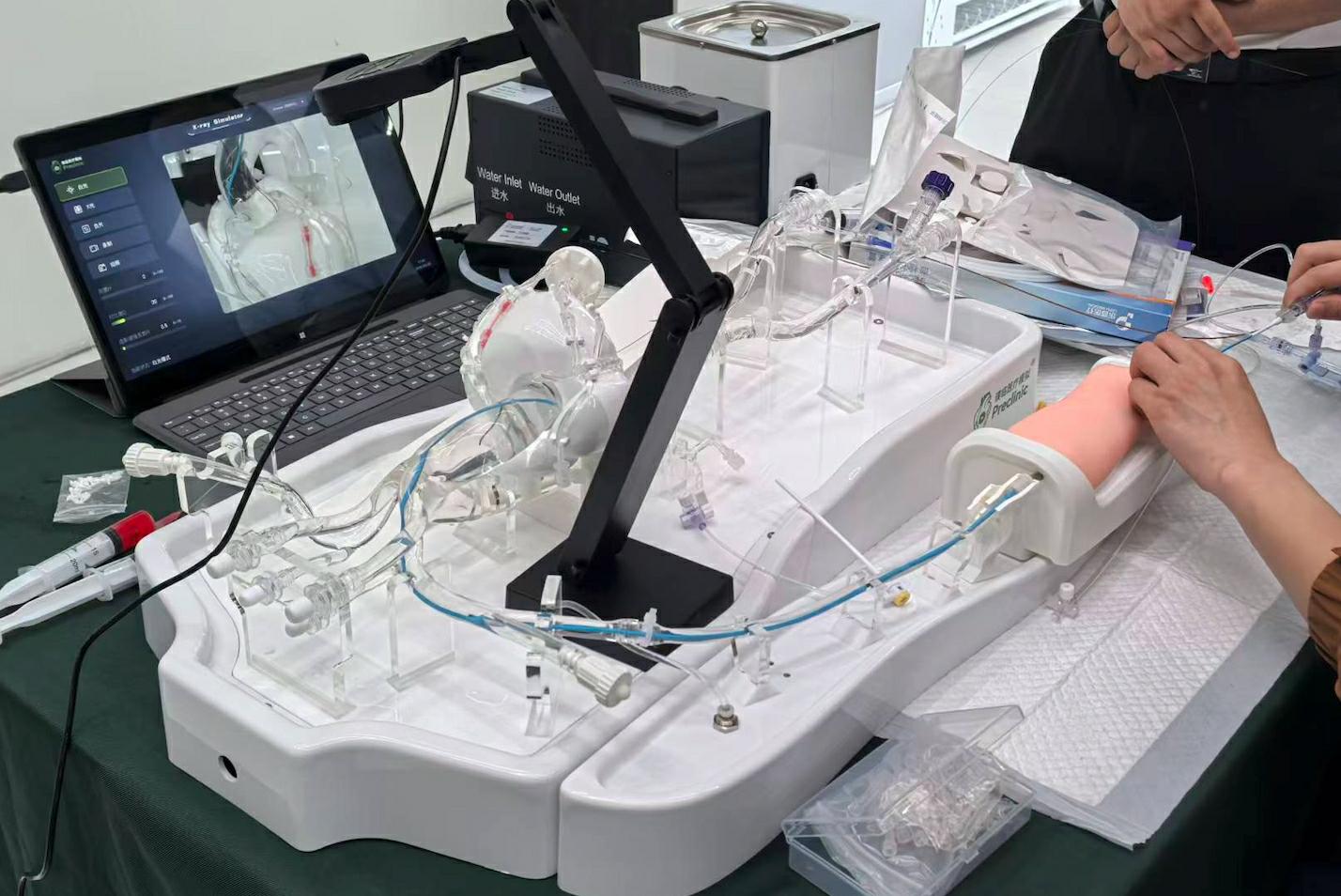
The coronary simulation model plays a dual role within the healthcare ecosystem.
From a clinical perspective, it enables interventional cardiologists to repeatedly practice complex procedures such as PCI, balloon angioplasty, and stent deployment in a controlled, risk-free environment. This significantly improves procedural confidence and reduces patient risk during real operations.
From an industrial perspective, it serves as a critical validation platform for medical device manufacturers. Catheters, guidewires, and stents must be tested under physiologically realistic conditions to ensure performance reliability before clinical application.
This dual-function positioning—clinical training and product validation—makes the coronary simulation model a fundamental component of the cardiovascular medical technology ecosystem.
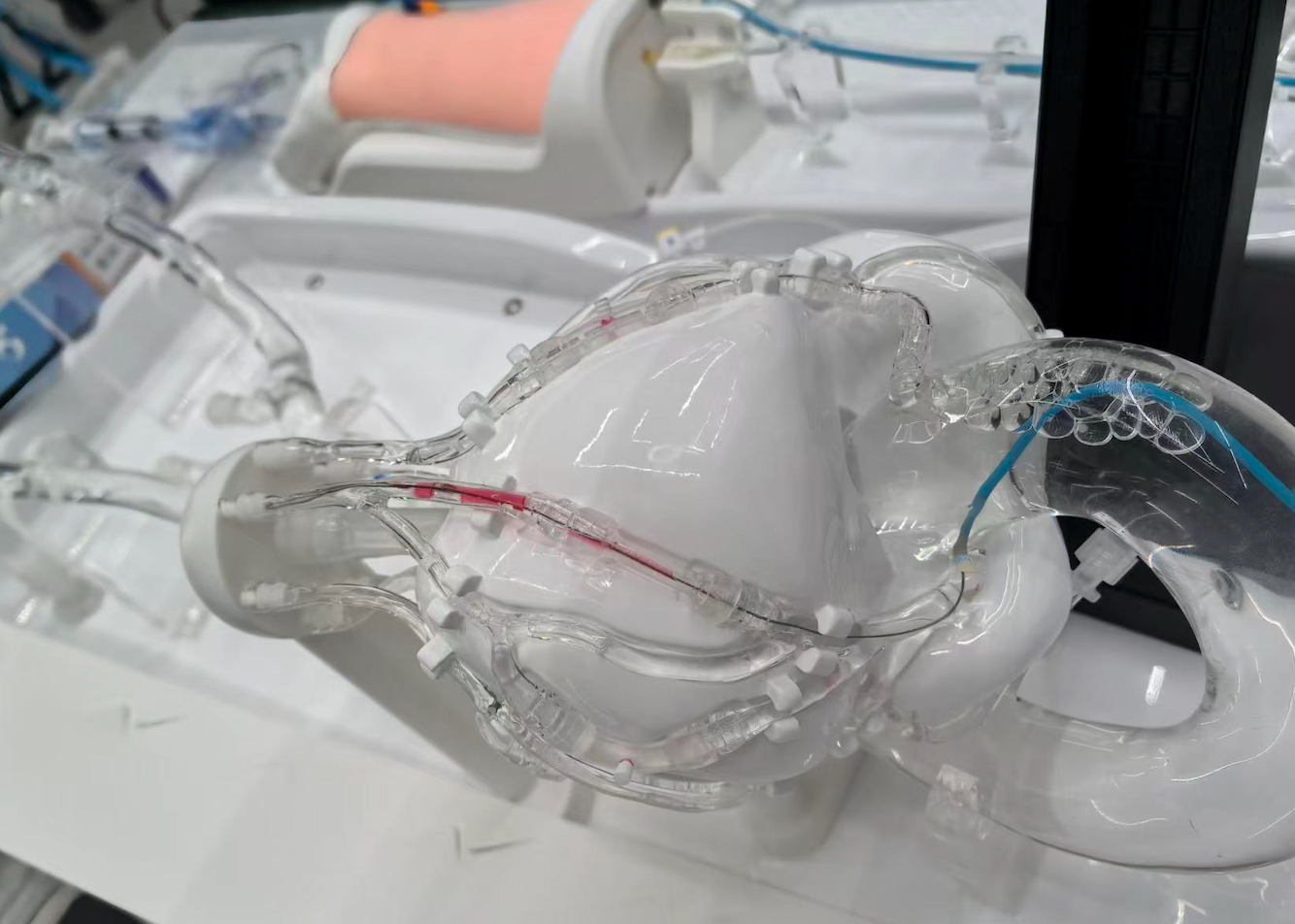
The growing adoption of cardiovascular simulation systems in hospitals is not simply a technological upgrade, but a response to several structural challenges in modern healthcare.
First, tolerance for clinical training risk is decreasing significantly. In high-risk cardiovascular interventions, traditional “learning on real patients” approaches are no longer acceptable as primary training methods.
Second, the demand for trained interventional cardiologists is growing faster than the healthcare system can produce them, creating a persistent training bottleneck.
Third, procedural standardization has become a core requirement. Hospitals must ensure consistent performance across different operators, which can only be achieved through structured, simulation-based training systems.
As a result, cardiovascular simulation systems are transitioning from optional training tools to essential clinical infrastructure.
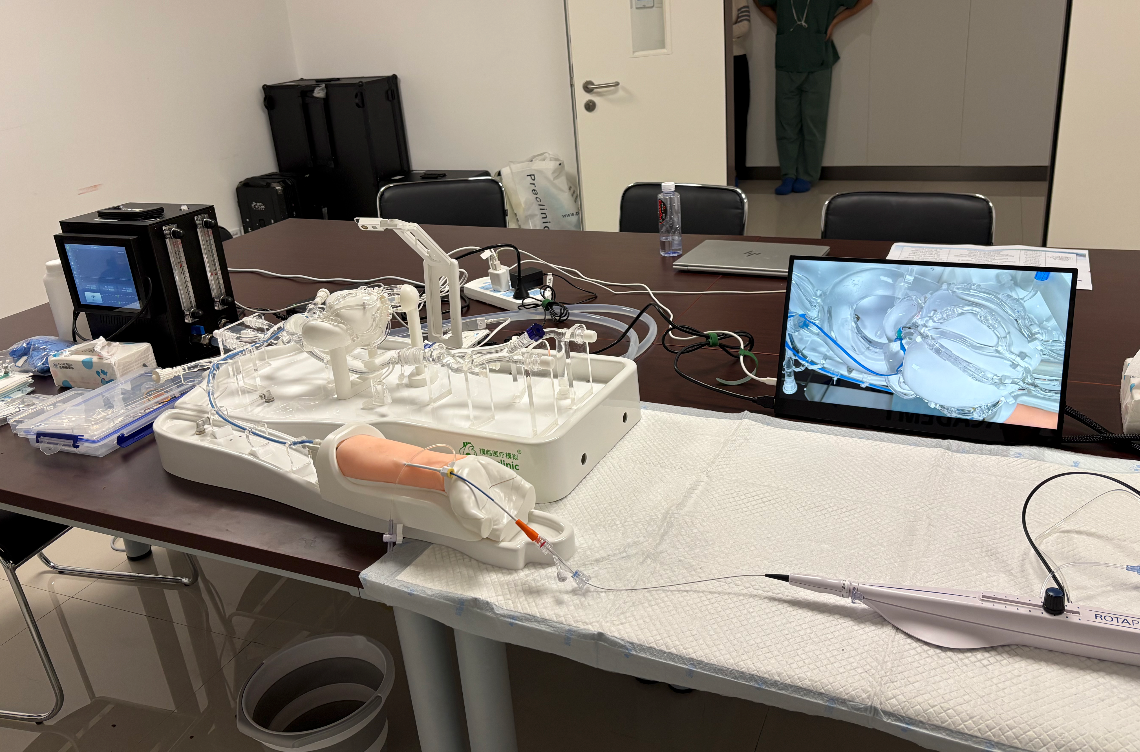
The next generation of cardiovascular simulators is evolving toward integrated intelligent training ecosystems rather than standalone devices.
One major direction is patient-specific modeling based on CT or MRI data, enabling highly realistic and individualized simulation scenarios.
Another direction is the integration of AI-driven feedback systems capable of analyzing procedural performance in real time, identifying inefficiencies, errors, and potential risks.
In addition, hybrid systems that combine physical models with VR visualization and digital analytics layers are becoming increasingly common, allowing trainees to experience both tactile feedback and data-driven guidance simultaneously.
From an industry perspective, this represents a clear transition from hardware-centric simulation devices to data-driven clinical training platforms, where the cardiovascular model serves as the physical foundation of a broader intelligent system.
The cardiovascular model is used in medical simulation to replicate human heart anatomy and vascular systems for clinical training, interventional practice, and medical device testing. Modern cardiovascular simulators are defined not only by anatomical accuracy but by their ability to reproduce physiological behaviors such as blood pressure variation, vessel elasticity, and flow resistance dynamics. These systems are widely used in hospitals, medical universities, and medical device companies. The primary motivation for adopting simulation-based training is to reduce clinical risk, shorten training cycles, and improve procedural standardization across medical operators.
If you are developing training programs for hospitals, medical universities, or medical device R&D projects and require a high-fidelity cardiovascular simulation solution, we can provide modular system configurations tailored to different clinical and training requirements.
Our solutions cover anatomical models, dynamic flow simulation systems, and interventional training platforms, enabling a complete cardiovascular training environment from foundational education to advanced procedural practice.
Feel free to contact us for technical documentation, application cases, or customized solution proposals. We can support you in building a training system that is closely aligned with real clinical workflows, institutional requirements, and budget structures.