Stroke Thrombectomy: Racing Against the Clock — Where Do Surgeons Build Their Tactile Expertise?
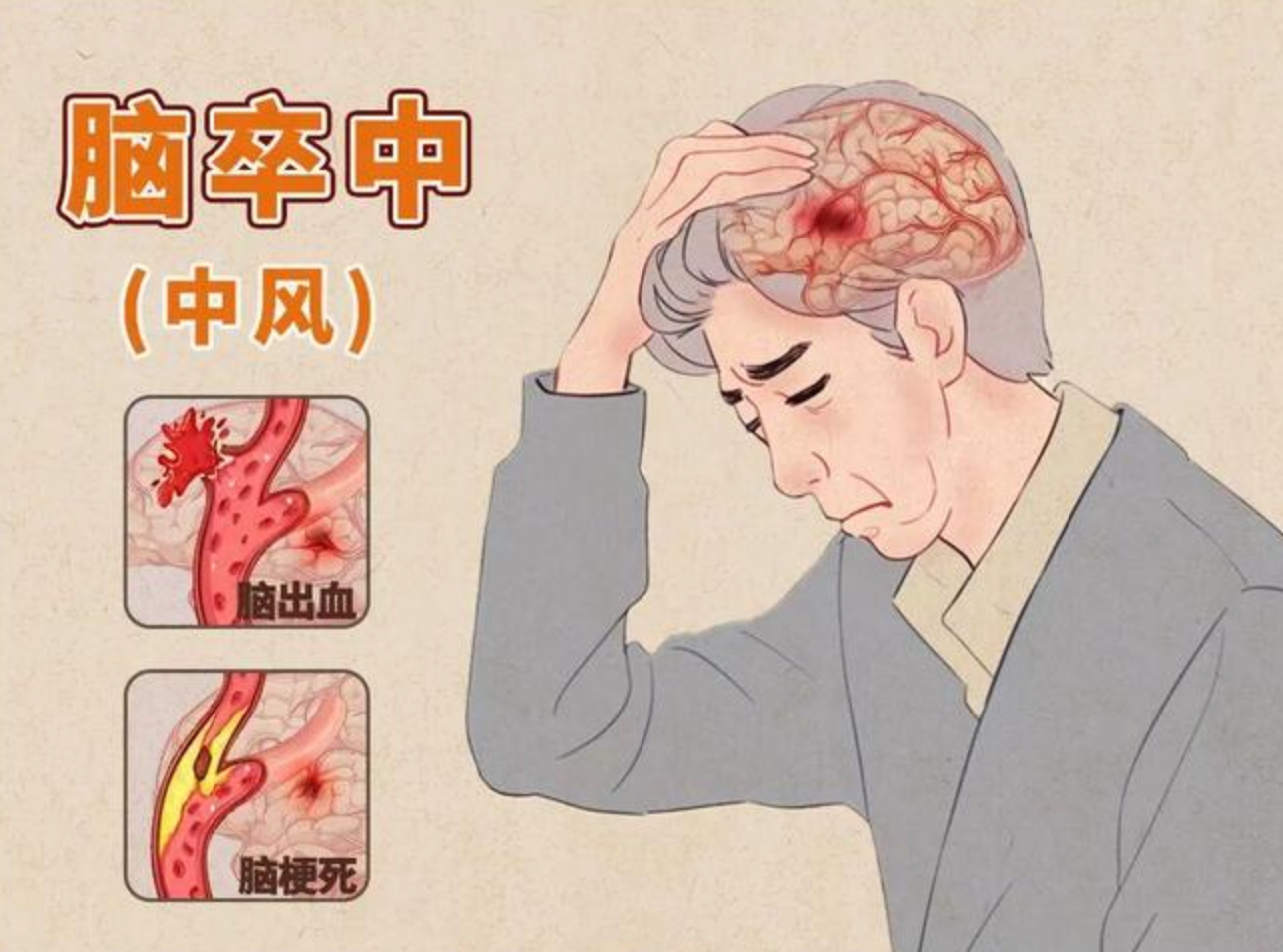
Acute ischemic stroke is often referred to as the "Golden 4.5 Hours for the Brain." Time is brain; every minute of delay results in the loss of nearly 2 million neurons. Currently, endovascular mechanical thrombectomy stands as the gold standard for treating large vessel occlusion (LVO) strokes.
However, a practical challenge remains: thrombectomy is highly complex, with a steep learning curve. Where can young physicians get the necessary practice?
Operating on real patients? Opportunities are scarce, risks are immense, and there is zero margin for error.
Watching videos or attending lectures? Concepts are easy to grasp, but hands-on skills remain elusive. There is always a "missing link" in tactile proficiency.
The Pulinkang (Pulin Medical) Neurovascular Intervention Surgical Training Model offers a safe, efficient, and reproducible training pathway:
1:1 Anatomical Replication: Training on True-to-Life Vessels
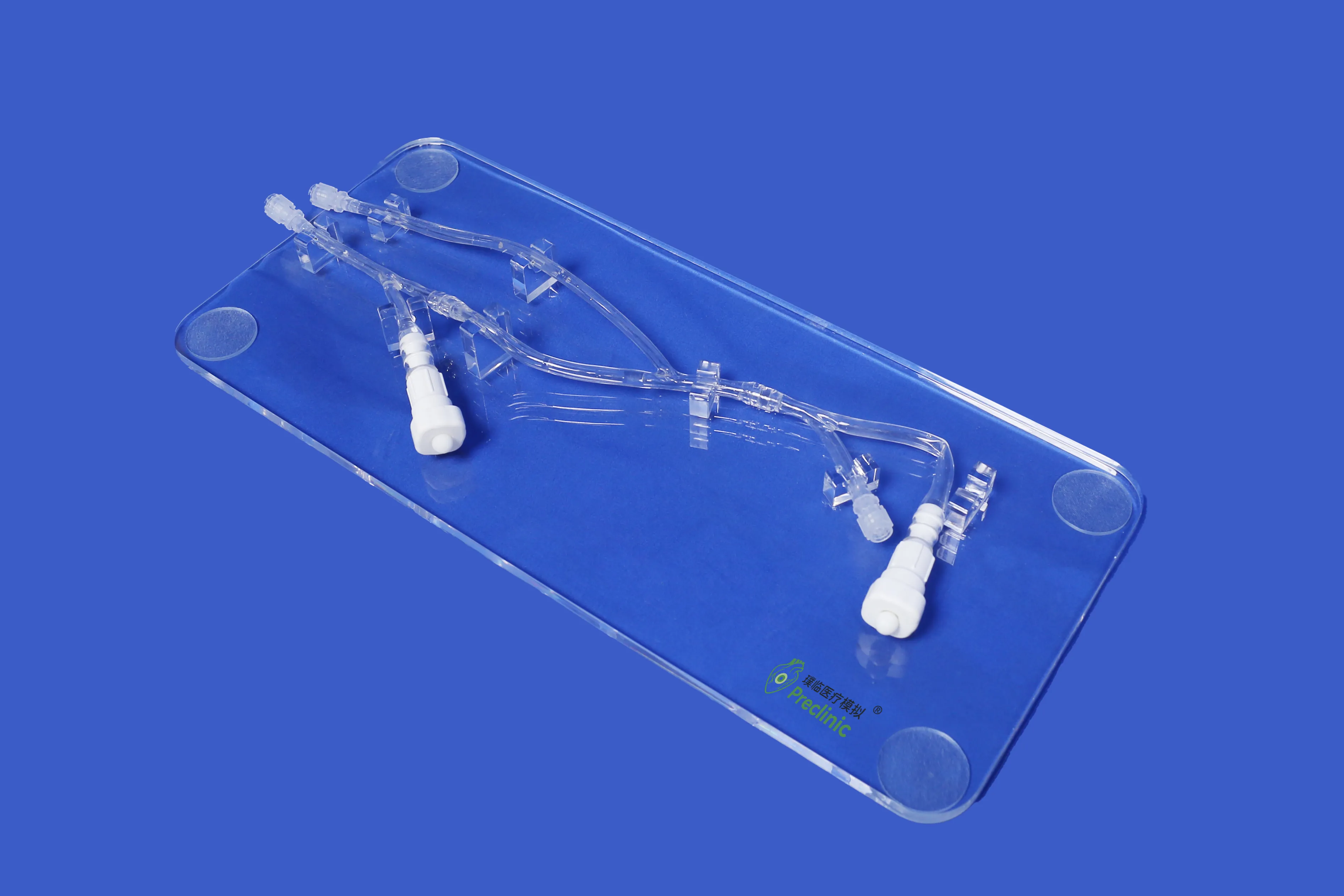
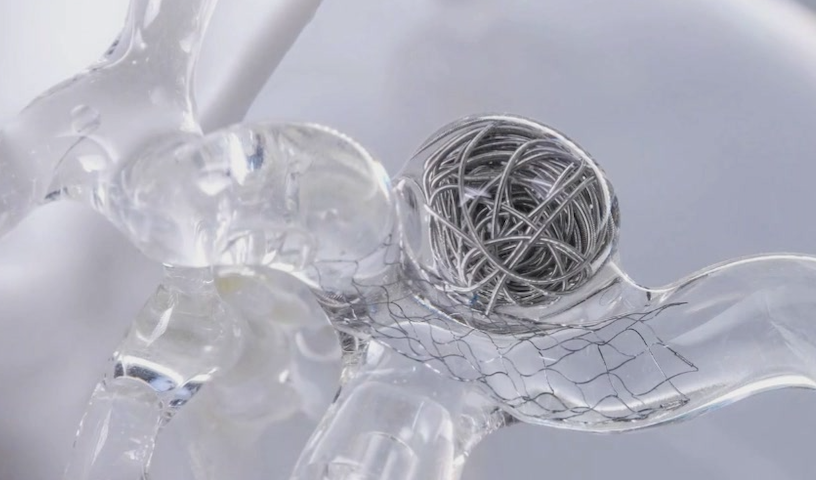
The model replicates the true dimensions of intracranial arterial lumens at a 1:1 scale. From the aortic arch and internal carotid artery to the middle cerebral artery, the vascular branching structure is highly consistent with clinical anatomy. Made of transparent, food-grade silicone (≥80% transparency), it allows full visibility during procedures, enabling instructors to observe device navigation in real time and provide immediate corrections.
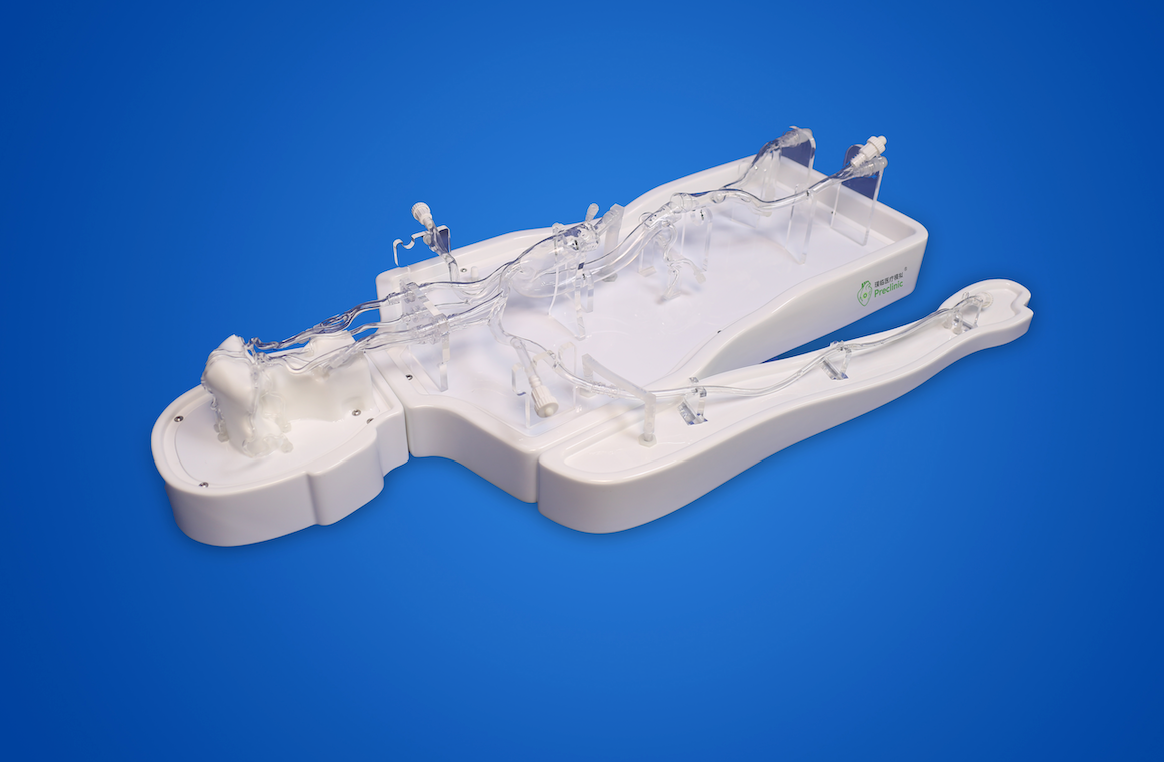
Full Device Compatibility: Authentic Clinical Tactile Feedback
It seamlessly accommodates all commonly used intracranial interventional devices, including angiographic catheters, hydrophilic guidewires, stent delivery systems, thrombectomy stents, aspiration catheters, microcatheters, microguidewires, vascular sheaths, and guiding catheters. The pushability, steerability, and stent deployment feel are highly consistent with real human vascular procedures, ensuring the training delivers a genuine clinical tactile experience.
Comprehensive Coverage of 5 Core Procedures: Master the Entire Workflow in One Model
Cerebral Angiography (DSA): Supports three puncture approaches: femoral, radial, and subclavian arteries.
Balloon Angioplasty: Focused training on expanding cerebrovascular stenosis.
Stent Placement: Specialized training for intracranial and cervical vascular stenting.
Stent Retriever Thrombectomy: Simulates the complete thrombectomy workflow for acute ischemic stroke — delivery, deployment, retrieval, and withdrawal.
Aspiration Thrombectomy: Features large-bore aspiration catheters and supports combined training with stent retrievers.
From puncture and sheath insertion to catheter/guidewire navigation, stent deployment, and thrombus retrieval, this single model covers the entire interventional treatment workflow.
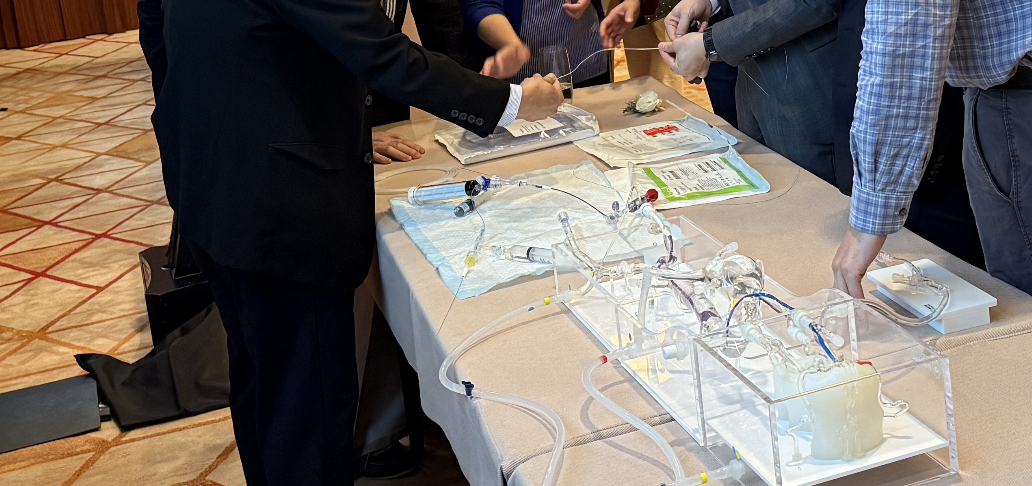
Customizable Pathologies: Practice Complex Cases Anytime
Supports customization of various aneurysm morphologies, lesion locations, and degrees of stenosis for targeted interventional training on complex cases. It transforms "practicing only when encountering a difficult case" into "practicing whatever you want, whenever you want."
Durable and Easy to Maintain: Controllable Long-Term Costs
The vessel wall material is tear-resistant and fatigue-resistant, capable of withstanding repeated catheter insertions and stent deployments. The modular design allows for quick disassembly and resetting of the vascular pathway; it can be restored simply by flushing, eliminating the need for full replacement and significantly reducing long-term costs.
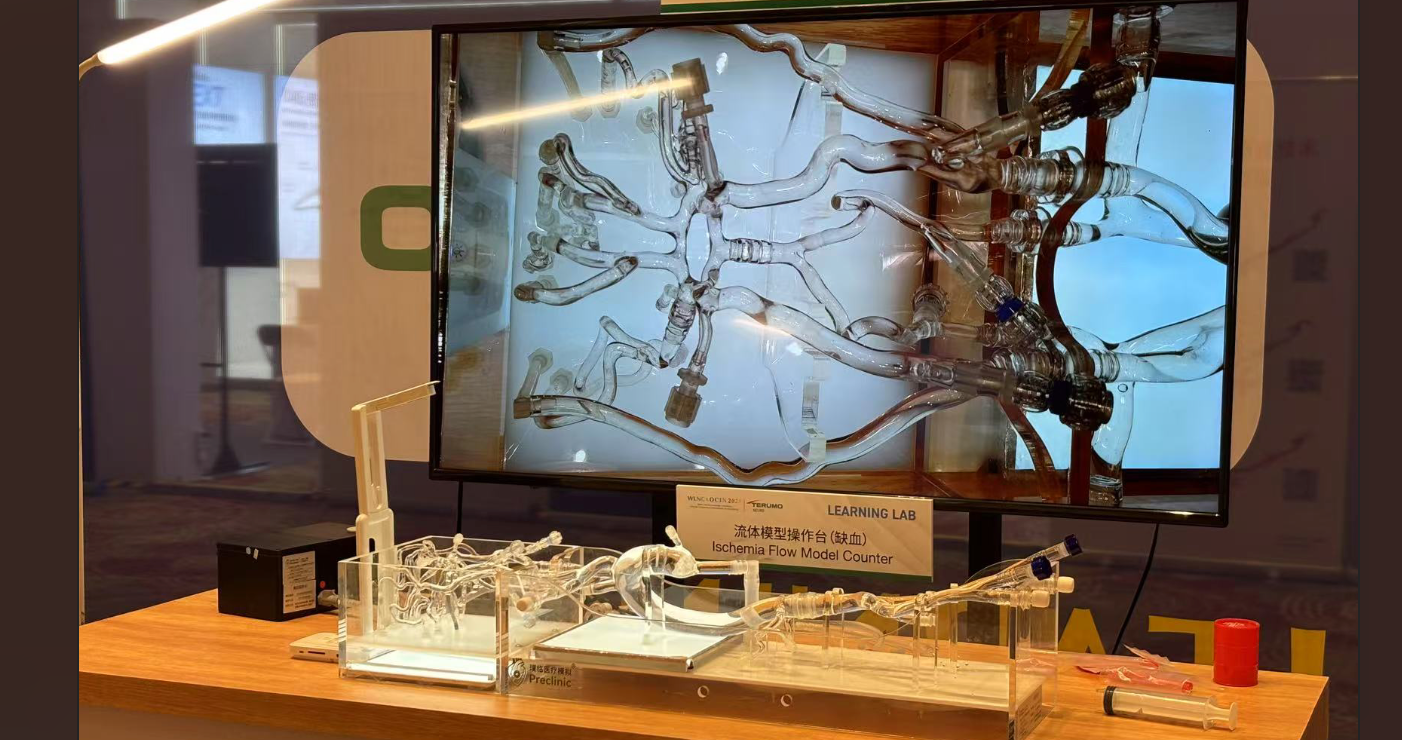
The Neurovascular Intervention Surgical Training Model: Let physicians exhaust all risks on the model, so they can bring ultimate safety to patients.
PREV