In the field of gastroenterological surgery, there exists a technique hailed as "the jewel in the crown of endoscopic procedures": ERCP, short for Endoscopic Retrograde Cholangiopancreatography. This procedure requires no abdominal incision. Using only a thin endoscope, clinicians can complete examinations and treatments of the biliary and pancreatic systems. It is currently the primary minimally invasive solution for conditions including common bile duct stones, obstructive jaundice, and biliary strictures. However, the technique demands extreme operational precision and entails a lengthy learning curve. Seasoned ERCP specialists rely on extensive standardized training, and the ERCP surgical training model serves as the core "training ground" that enables physicians to master this skill efficiently.
I. What Is ERCP Surgery?
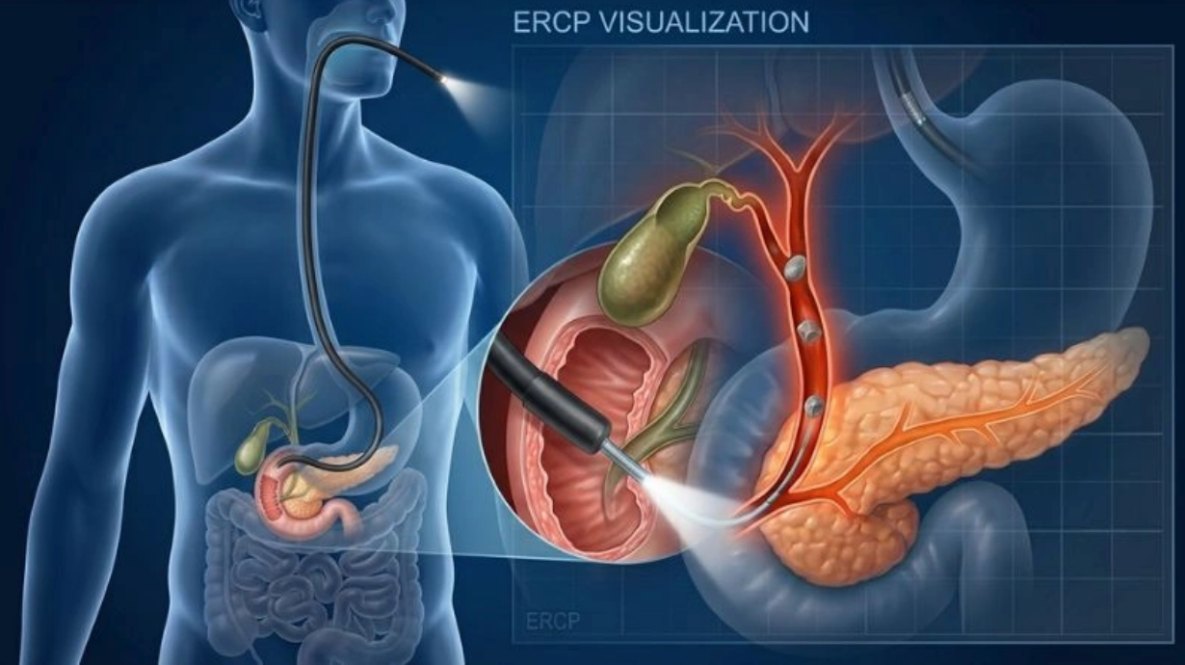
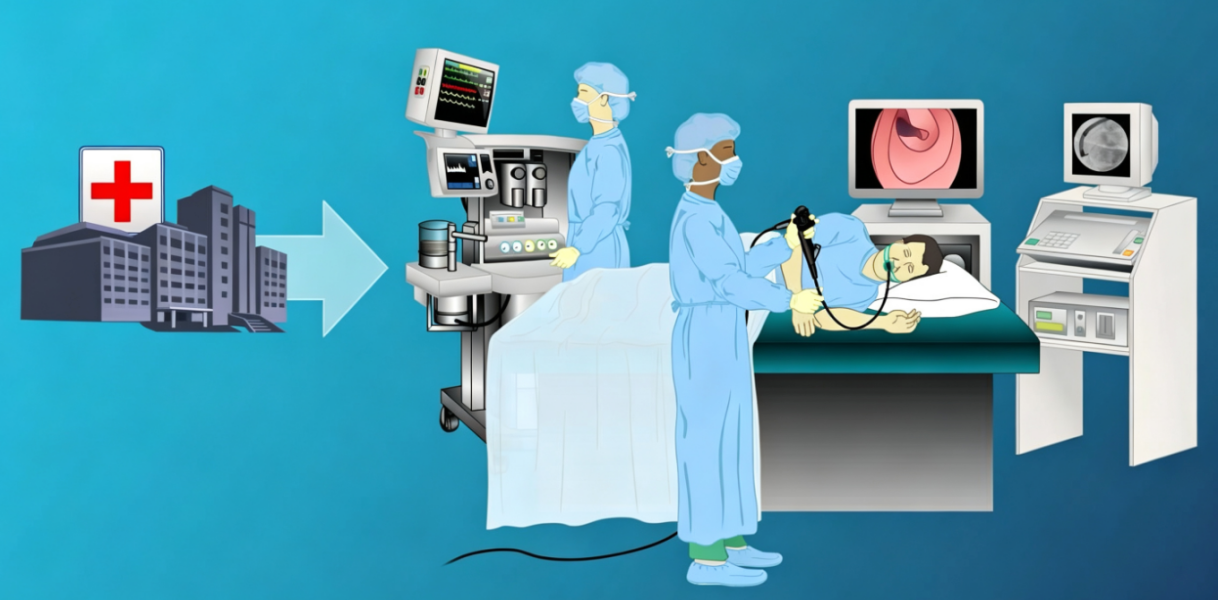
Simply put, ERCP involves advancing a duodenoscope through the mouth, esophagus and stomach until it reaches the descending duodenum, where the major duodenal papilla — the shared opening of the bile and pancreatic ducts — is located. Through the instrument channel of the endoscope, accessories such as guidewires and catheters are delivered to cannulate the bile or pancreatic duct in a retrograde fashion, enabling cholangiography, stone extraction, duct dilation, stent placement and other interventions.
Compared with traditional open abdominal surgery, ERCP causes minimal trauma and allows rapid postoperative recovery; most patients can resume normal diet and daily activities within 1 to 2 days after the procedure. Its operational difficulty far exceeds routine endoscopy, though: operators must maneuver the endoscope precisely within the narrow digestive tract and perform delicate tasks such as cannulation, sphincterotomy and stone retrieval inside the visually inaccessible biliary tree. This places stringent requirements on spatial awareness, hand-eye coordination and familiarity with anatomical structures.
II. The Hurdle for ERCP Practitioners: A Steep Learning Curve
In clinical education, ERCP is universally recognized for its extremely steep learning curve.
Conventional training heavily relies on bedside mentorship, where junior physicians gradually participate in real patient procedures under senior supervision. Yet the delicate, complex anatomy of the human biliary tract carries high risks: minor operational errors may trigger complications such as hemorrhage, perforation and pancreatitis. Practicing directly on patients offers very limited room for trial and error. Meanwhile, cadaveric specimens and animal models suffer from critical drawbacks — difficult access, tactile properties vastly different from human tissue, and non-reusability.
How can physicians rapidly and standardly master core ERCP skills while guaranteeing patient safety? The advent of the ERCP surgical training model delivers an efficient solution.
III. ERCP Surgical Training Model: An Off-Operating-Room Hands-On Training Platform
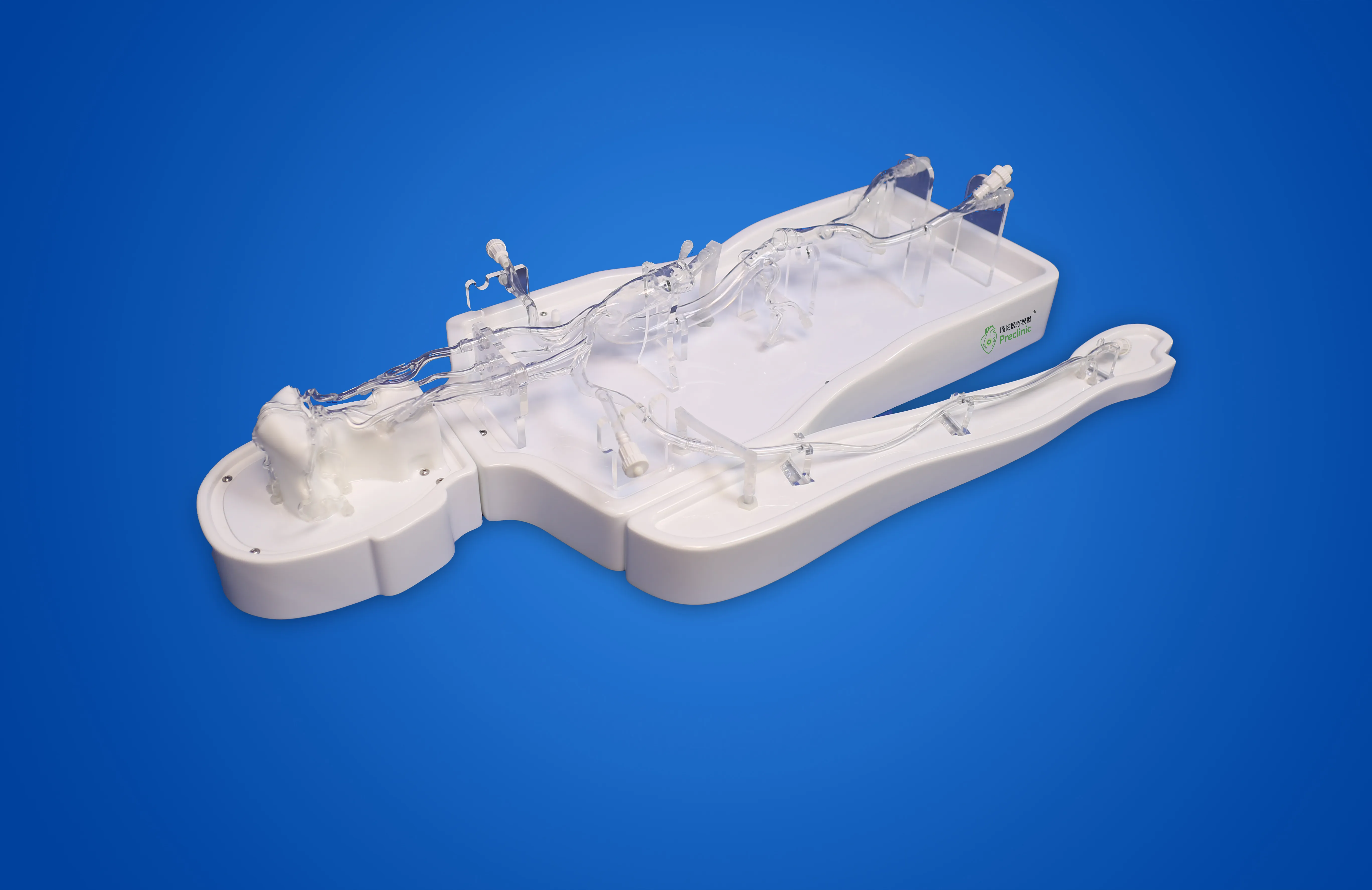
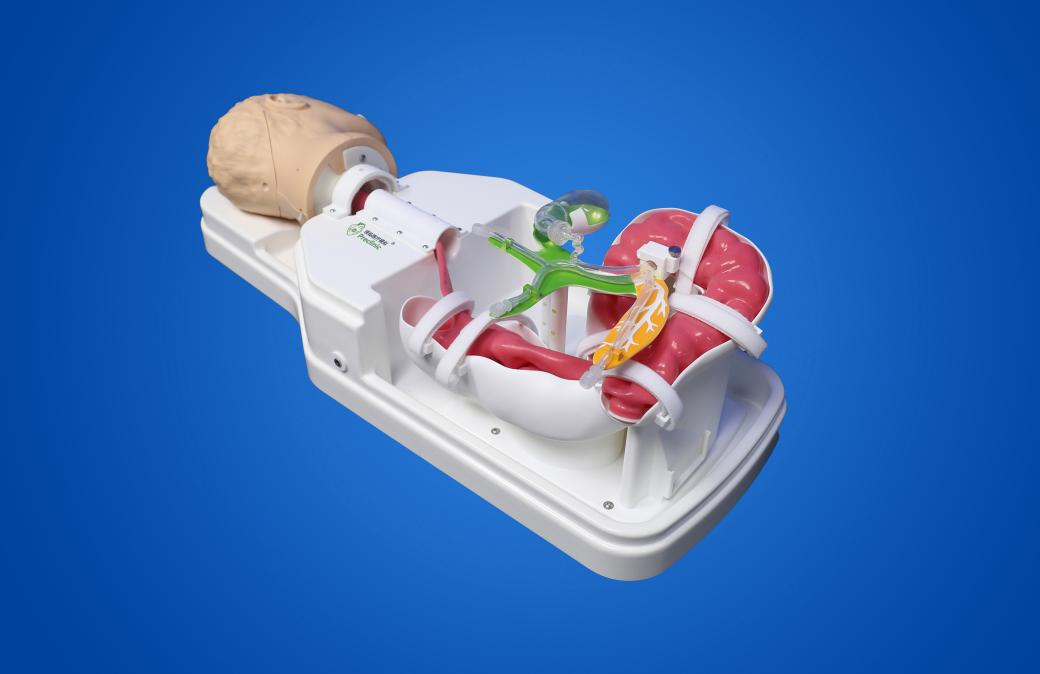
A professional ERCP surgical training model is essentially a high-fidelity replica of the human upper gastrointestinal, biliary and pancreatic systems. It fully reproduces all key anatomical structures from the oral cavity, pharynx, esophagus and stomach, through the duodenum, Vater’s ampulla, Oddi sphincter, common bile duct, intrahepatic bile ducts, gallbladder and pancreatic duct, with morphology consistent with human anatomy.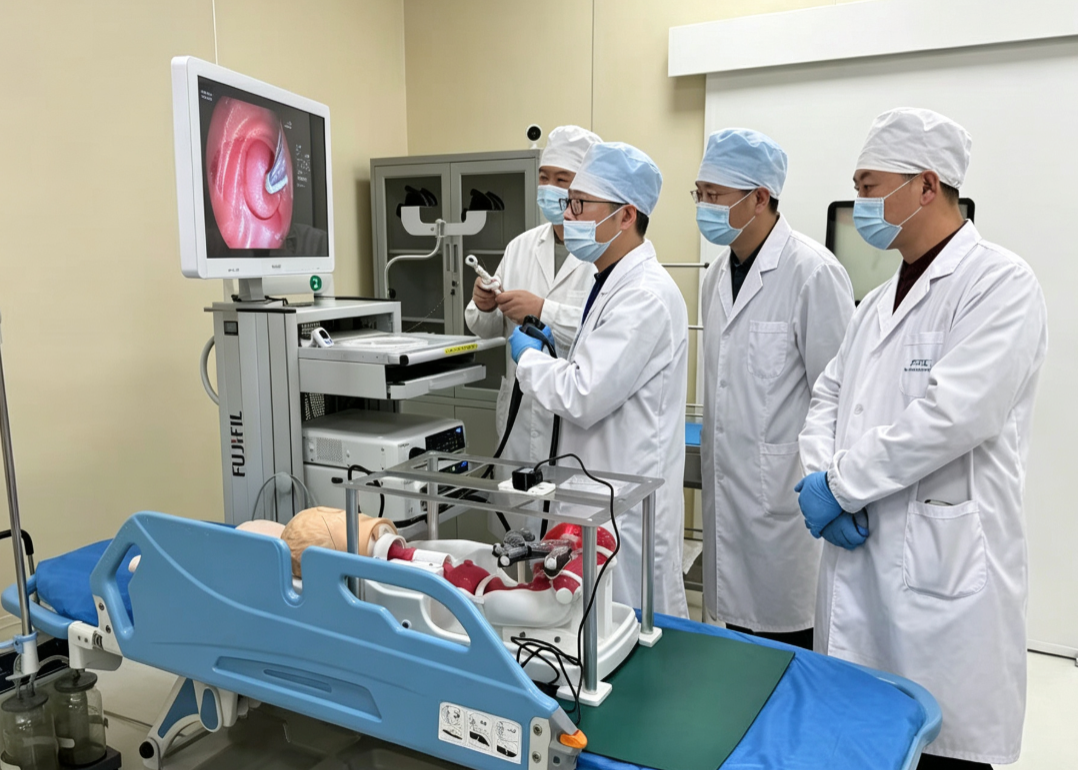
1. Full-Cycle Training Covering Basic to Advanced Skills
The ERCP training model supports a complete training system tailored to practitioners at different proficiency levels:
Basic operational training: Transoral/transnasal endoscope insertion, withdrawal, rotation control, tip centering, and identification of esophageal and gastric anatomy, helping beginners quickly build muscle memory for endoscopic manipulation.
Core skill training: Routine biliary cannulation, Endoscopic Sphincterotomy (EST), basket stone extraction, mechanical lithotripsy and other key procedures, which constitute the primary training scenarios of the model.
Case-specific training: It simulates a wide range of common clinical conditions including biliary calculi, biliary stent implantation and foreign body retrieval, realizing multi-purpose functionality in a single model.
2. Realistic Material Recreates Authentic Intraoperative Tactile Feedback
The quality of training hinges on how closely the tactile experience mirrors real surgery. Premium ERCP training models adopt soft, highly elastic specialized medical materials that accurately mimic the texture and resistance of human mucosal tissue. The feedback during cannulation, tension during cutting, and friction during stone extraction match real intraoperative sensations, allowing trainees to form reliable muscle memory and adapt faster to live clinical procedures.
3. Modular Design for Flexible Customized Training
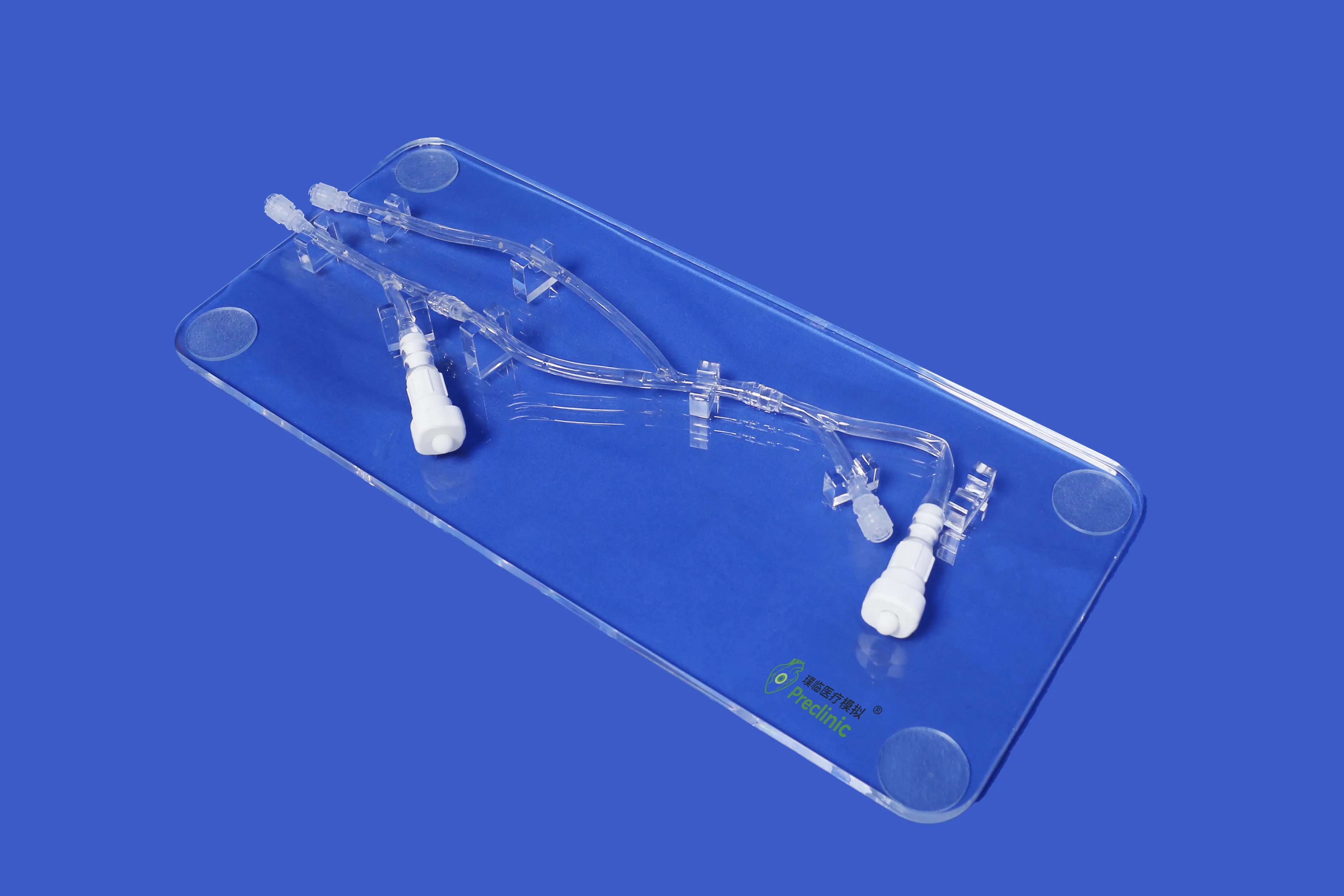
Clinical scenarios are diverse and complex, calling for adaptable standardized training equipment. ERCP surgical training models developed by Pulin Medical Technology feature modular construction. Two interchangeable duodenal papilla attachments are supplied: a standard version for basic cannulation drills, and an electrocutable variant dedicated to sphincterotomy practice. Simulated stones can be conveniently installed onto the model as needed to accommodate personalized training regimens.
4. Safe & Cost-Effective, Greatly Reducing Long-Term Training Expenses
Unlike high-risk live clinical practice, training on an ERCP surgical model eliminates all risks to patients, letting operators repeat attempts and refine every movement detail freely. The model boasts outstanding durability to withstand repeated operations, with separate replaceable consumable parts. When compared with animal trials and cadaver training, it drastically cuts long-term training costs, making it ideal for regular skill training in medical universities, endoscopic training centers and primary hospitals.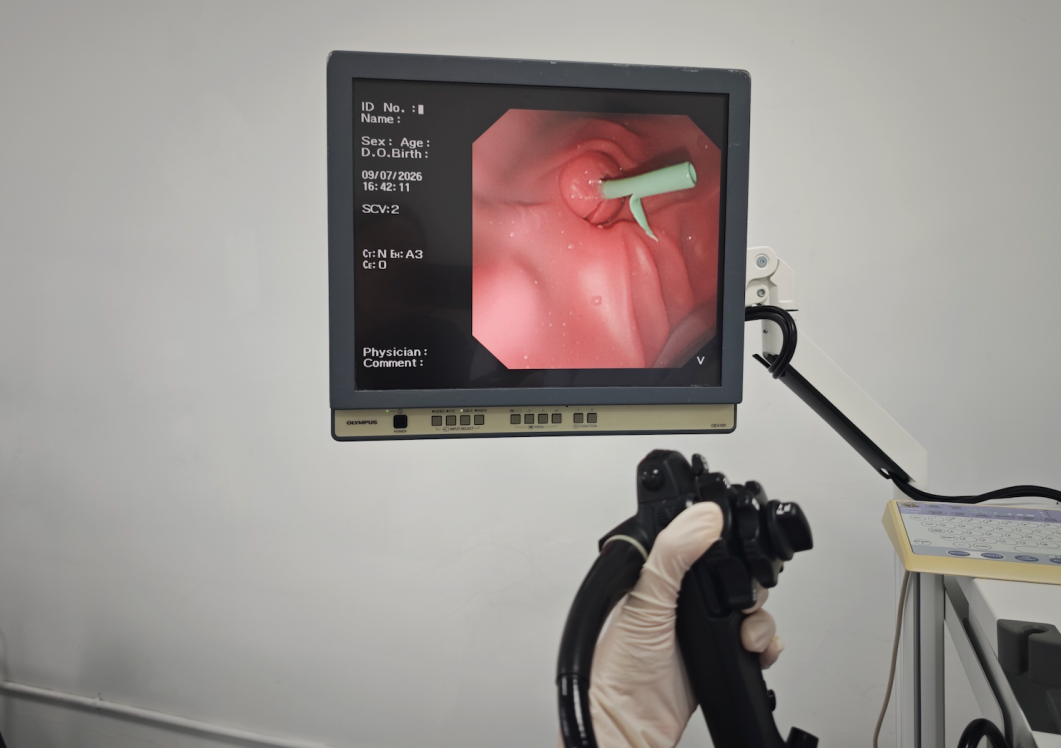
IV. Beyond Skill Drills: The Model’s Role in Popularizing Advanced Minimally Invasive Techniques
ERCP is the cornerstone intervention for hepatobiliary and pancreatic diseases, yet its technical complexity restricts widespread adoption at grassroots hospitals across China. Portable, user-friendly ERCP training models break geographical and resource barriers for training. Lightweight and easy to transport, they can be deployed in large-scale professional training centers as well as grassroots medical facilities, empowering more endoscopists to master standardized ERCP operations.
Every proficient ERCP specialist undergoes countless hours of repetitive hands-on practice before they can manipulate an endoscope with precision and perform procedures with confidence. As an indispensable clinical teaching tool, the ERCP surgical training model from Pulin Medical Technology serves as a vital driving force for the popularization of minimally invasive hepatobiliary and pancreatic endoscopic techniques.
PREV